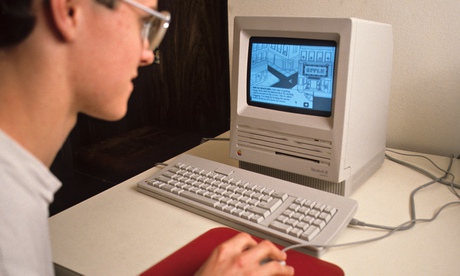
Vint Cerf is right to draw attention to the danger of losing documents and images stored digitally (Going, going, gone: Google’s vice-president Vint Cerf has warned that all digitally stored information could be wiped out by tech upgrades, G2, 13 February), but the situation could be improved if IT users demanded more of their software suppliers. The problem is not so much with images, which are mostly stored according to standard formats that are open to everyone and widely implemented. The real concern is with letters, reports and financial records; these are mostly created with proprietary tools from manufacturers such as Microsoft, Adobe and Oracle and stored in proprietary formats, which are largely kept secret and subject to change without notice. Without the right version of the tool, such data is, as you describe in the article, useless.
If society, and governments in particular, were to demand from these manufacturers tools that stored data in formats that are available to anyone, such as those from the The Document Foundation, the problem would be greatly reduced, because in years to come there would always be the option to write a new tool capable of displaying the old document.
Henry Law
Manchester
• Unusually, Vint Cerf is somewhat behind the times. The EU has been funding international projects in digital preservation for about the past 15 years and a number of these are ongoing. Librarians and archivists recognised the problem more or less as soon as computers became common in organisations and certainly as soon as the internet arrived on the scene. I have been personally involved in two such projects over the past eight years. This is not to say that the issues raised by Cerf are unimportant, far from it, and the hundreds of millions of euros spent by the EU on related research testify at least to Europe’s recognition of the problem. Perhaps your reporters should relocate to Brussels for a while to catch up with what is going on – although they could stay in London and talk to those at King’s College, the Tate, the BBC and the British Library who are actively engaged in research.
Tom Wilson
Sheffield