The last 24 hours have somehow been confusing and clarifying about the state of major climate legislation at the same time.
Catch up fast: Last night House Democratic leaders, facing a revolt from progressives, put off a vote on the bipartisan infrastructure package for now.
- White House aides and Democrats are negotiating the scope of the separate Democrats-only package of social and climate measures, and the progressives won't back the bipartisan plan until that's done.
The big picture: Everything remains in flux, but here are a few takeaways based on what we know as of this morning...
Democrats' climate vision will be downsized. Sen. Joe Manchin dug in Thursday on his insistence that $1.5 billion is the max he'll accept in the catch-all, Democrats-only social safety net and clean energy package.
- It's highly unlikely a politically viable plan could match robust energy incentives and spending in the $3.5 trillion House plan.
- The House package includes, for instance, electric vehicle incentives up to $12,500 per buyer and a major new program of financial support for utilities to boost clean power.
- "We think the $150 billion Clean Electricity Performance Program (CEPP) would likely be the first element to go in the transition to a smaller bill," Capital Alpha Partners said in a note.
Manchin's policy goals are a little clearer. A late July document Politico obtained shows Manchin's posture in finer strokes, such as wanting means-testing for new health and social provisions and other constraints.
- He offered details on climate, saying he wants policies to be "fuel neutral," and that if renewable power tax credits are extended, oil-and-gas industry incentives should not be repealed.
- Manchin's influence would likely ensure natural gas is credited in programs to cut emissions from the electricity sector.
White House climate diplomacy won't get easier. This isn't just inside baseball.
- The scaled-down reconciliation plan under negotiation is unlikely to get the U.S. all the way to its new commitments under the Paris Agreement to slash greenhouse gas emissions.
- That could complicate negotiations at the upcoming United Nations climate summit in one month.
If there's a deal, it'll be a bitter pill for many. Remember that progressives initially wanted a package in the $6 trillion range before a Senate deal went down to $3.5 trillion.
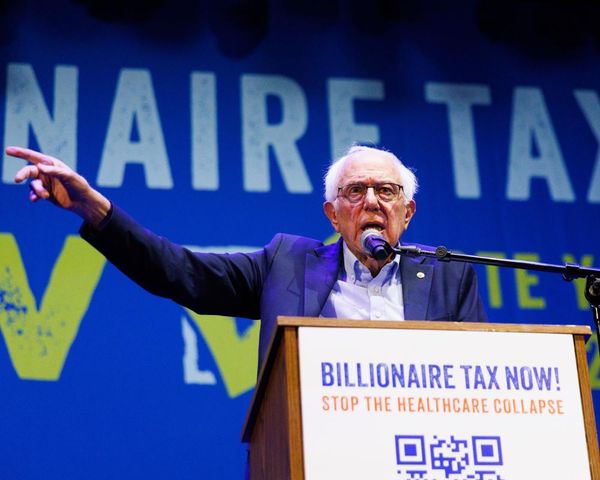
- "$1.5 trillion would make it absolutely impossible to do what has to be done to address the climate crisis," Sen. Bernie Sanders told reporters Thursday.
The bottom line: The bipartisan plan has very substantial transit, grid and clean energy investments.
- But it's the reconciliation package that Democrats are eyeing as a vehicle for vastly larger emissions-cutting provisions. Both are up in the air.