The Rest Is Noise festival: The Rise of Nationalism - in pictures
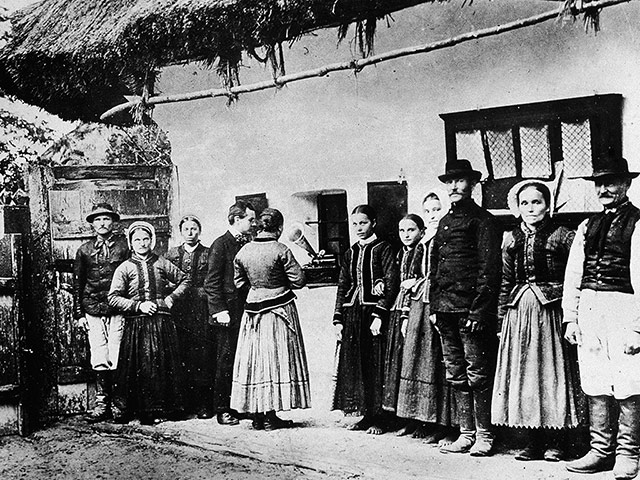
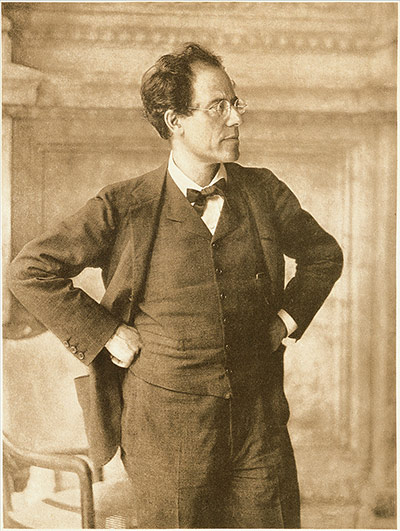
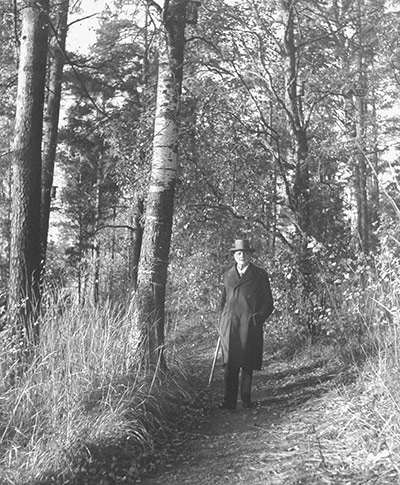
Bela Bartók listens to folk music on a phonograph with villagers, Darazs, Hungary, 1907Photograph: Gabriel Hackett/Getty ImagesGustav Mahler in the foyer of Vienna Court Opera, 1907Photograph: De Agostini/Getty ImagesFinnish composer Jean SibeliusPhotograph: Eliot Elisofon/Time & Life Pictures/Getty Image
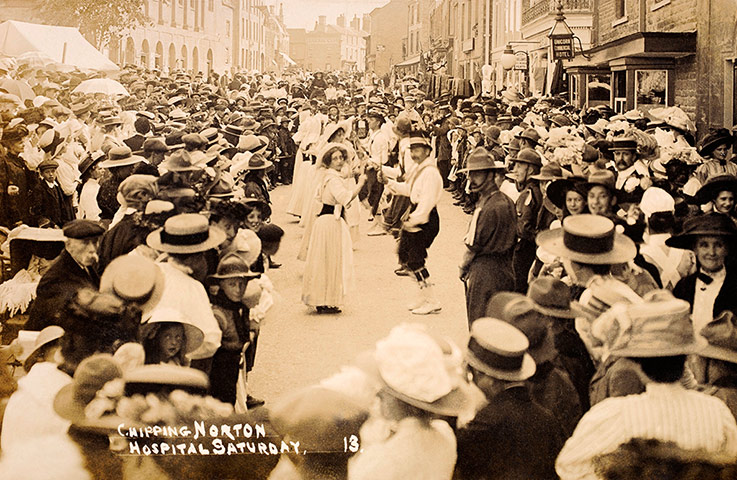
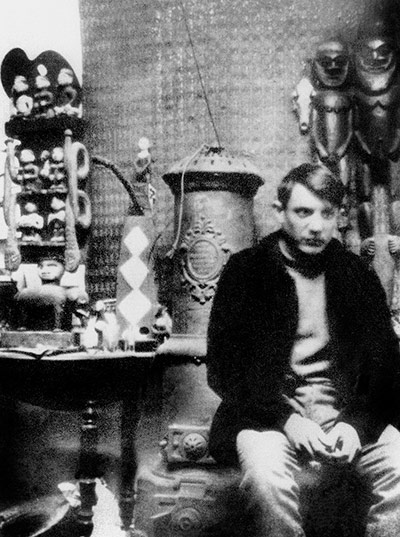
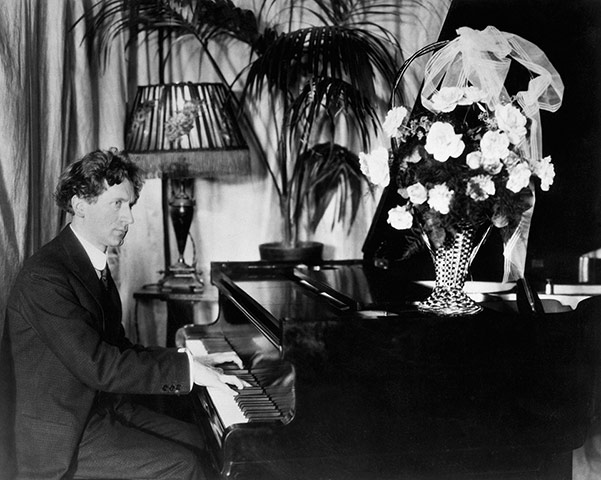
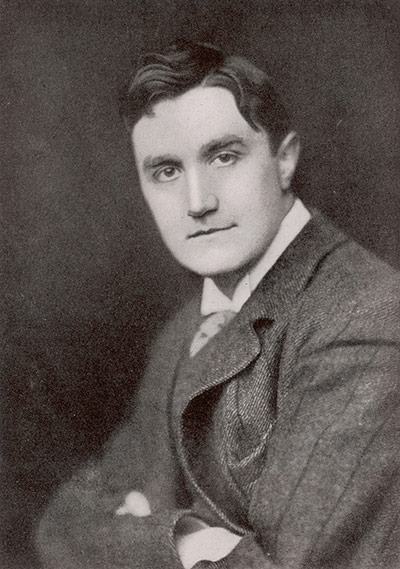
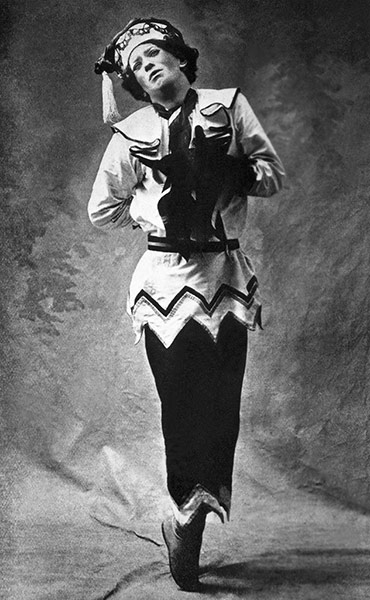
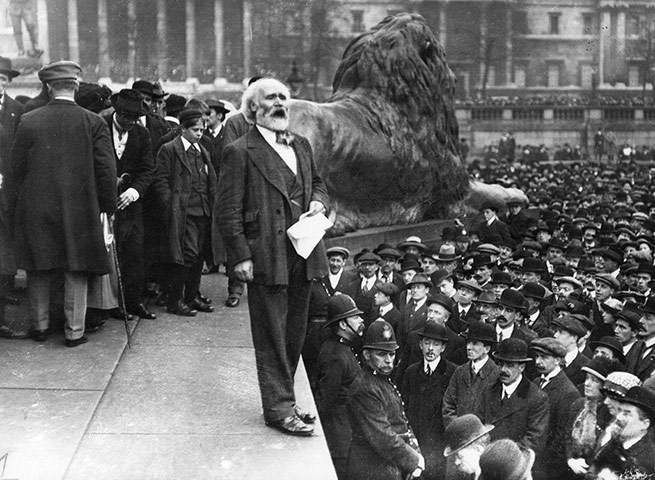
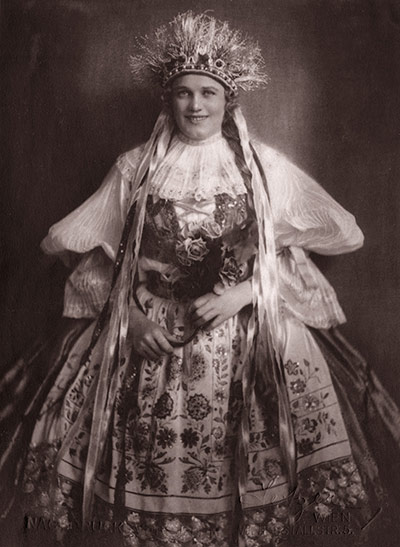
Street fair and entertainment in aid of the hospital in Chipping Norton featuring Morris dancers in the high street, circa 1910Photograph: Popperfoto/Getty ImagesPablo Picasso in his Montmartre studio, 1908. Objects of African origin, used as the artist's inspiration, can be seen in the background Photograph: Apic/Getty ImagesA vintage postcard published to commemorate the Coronation of King George V and Queen Mary in London, 22 June 1911Photograph: Popperfoto/Getty ImagesPercy Grainger, Australian-born pianist and composer appeared widely as a concert pianist; he also took part in the folk song movement, collecting and arranging numerous songs in UK and continental Europe.Photograph: Bettmann/CorbisRalph Vaughan Williams, 1872-1958 was one of the era's foremost collectors of English folk songs and music.Photograph: AlamyRussian dancer Vaslav Nijinsky in costume for his 1911 role in Stravinsky’s Petrushka. Nijinsky choreographed the composer's Rite of Spring two years later. Photograph: Roosen/AFP/Getty ImagesScottish labour politician James Keir Hardie addressing the Suffragettes Free Speech meeting in Trafalgar Square, London, 1913. Keir Hardie was one of the founders of the new Independent Labour Party in 1893 and the first leader of the Labour Party in Parliament 1906-07, he also established the socialist journal, The Labour Leader.Photograph: Hulton Archive/Getty ImagesMaria Jeritza as Jenufa in a 1922 production of the 1902 opera by Leos Janácek. It is one of the first operas to be written in prose.Photograph: Imagno/Getty Images
Sign up to read this article
Read news from 100's of titles, curated specifically for you.