

Tax season rolls around, and suddenly, a lot of people see dollar signs dancing in their heads. The IRS hasn’t even processed their refund yet, but the idea of a quick cash infusion tempts them like a siren song.
Enter the “refund anticipation” loan, a product that promises instant access to money that hasn’t even materialized. It sounds like a lifesaver, but the truth is brutal: it’s a debt trap that can leave borrowers paying hundreds, sometimes thousands, in fees before they even see their own refund.
Fast Cash, Slow Pain
A refund anticipation loan, often marketed with flashy slogans and urgent promises, allows taxpayers to borrow against their expected tax refund. On the surface, it feels harmless. Why wait a couple of weeks for the IRS when you can get your money today?
But these loans carry sky-high interest rates and fees that can turn a $1,000 refund into a $700 net gain, or worse. Lenders calculate these costs in ways that make the small print nearly impossible to digest quickly. Borrowers think they’re getting ahead, but they’re effectively paying to borrow money that is already theirs. The so-called convenience comes with a price tag most people don’t anticipate.
Financial experts warn that the short-term gratification of receiving a check a few days early rarely outweighs the long-term cost. Those fees don’t disappear—they stack, adding up before the actual refund even lands.
The Fine Print Isn’t Fine
Most borrowers glance at the main figures and miss the complicated fine print that controls the real cost. Refund anticipation loans often have origination fees, application fees, and other hidden charges disguised in friendly language. Lenders use jargon designed to make the cost look smaller than it is, while legally covering themselves from liability.
People get lured in with an appealing “receive your refund in 24 hours” headline, but they rarely pause to add up the effective interest rate, which can soar into triple digits annually if converted.
A major problem is that these loans rarely take into account what happens if the refund is delayed or adjusted by the IRS. If there’s an error or audit, the borrower remains on the hook for the loan regardless. That can trigger additional penalties, late fees, or collection actions that create a cycle of debt.
Payday Loan Parallels
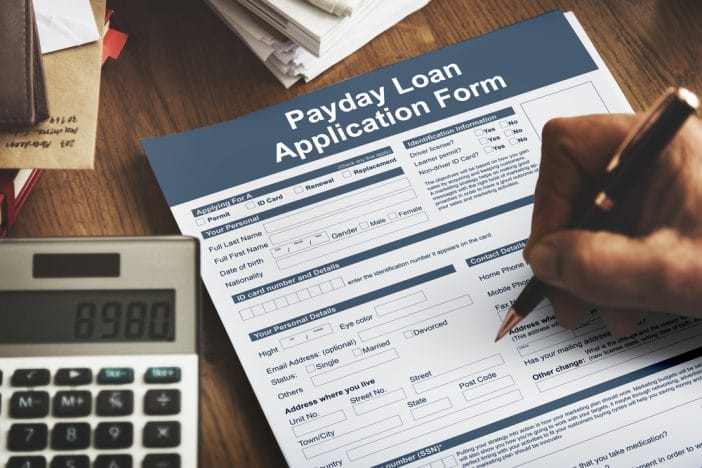
It’s hard to discuss refund anticipation loans without noticing how closely they resemble payday loans. Both target the same audience: people who need fast cash and are willing to pay a premium for it. Both operate on tight timelines, making it hard to shop around or compare rates. And both exploit urgency, which is a powerful motivator when money stress is real.
Experts note that the psychological pull is a key factor. Feeling a financial crunch activates an instinct to grab money immediately, even if it comes at a steep cost. Companies designing these products know that, and they structure their offers around impatience and immediate gratification.
Safer Alternatives Exist
People don’t have to surrender to these predatory products. Several legal, low-cost, or no-cost options exist that let taxpayers access funds responsibly. Filing electronically and choosing direct deposit can shave days off the IRS process at no cost.
Some credit unions offer small, low-interest lines of credit designed for emergencies that are far less punitive than a refund anticipation loan. Even asking for a small advance from an employer or negotiating payment plans with bills can prevent high-interest debt accumulation.
Recognizing the Red Flags
Several red flags signal a refund anticipation loan is a trap. Promises of instant access to your refund without scrutiny, upfront fees, opaque interest rates, and aggressive marketing all warrant caution. Lenders who discourage comparison shopping or downplay the cost often operate on the principle that once someone is emotionally invested, they’re far less likely to back out.
Smart taxpayers know to calculate the effective interest rate before committing. If borrowing your own money costs more than a credit card or personal loan, it’s worth reconsidering. Likewise, any lender that pressures a “sign now or miss out” mentality is essentially betting on panic, which is not a sustainable financial strategy. Recognizing these patterns can prevent costly mistakes that linger long after tax season ends.
Long-Term Consequences Are Real
Getting trapped in a refund anticipation loan isn’t just an immediate inconvenience; it can affect long-term financial health. Borrowers often experience cascading debt as fees and interest accumulate. Missed payments or delayed refunds can trigger collections, impacting credit scores and making future borrowing more expensive. What seems like a minor shortcut today can evolve into months or even years of financial strain.
Even psychologically, the effect is profound. Feeling “behind” before the refund even arrives reinforces stress and financial anxiety. People may cycle through multiple loans to cover the shortfall, compounding the problem. This reinforces a pattern of relying on high-cost borrowing instead of building buffers, planning ahead, or using safer financial tools.
Break Free and Plan Ahead
Financial security isn’t about chasing quick fixes. Avoiding refund anticipation loans requires preparation, knowledge, and a willingness to delay gratification. Filing early, understanding your refund timeline, and comparing legitimate low-interest borrowing options are essential. Budgeting, even minimally, for short-term expenses can prevent the urgency that drives borrowers into these traps.
It’s also worth remembering that most tax refunds are delivered efficiently without any loan at all. The IRS often issues direct deposits in as little as 10 to 21 days for electronically filed returns. That timeframe is manageable for most people with basic planning. Choosing patience over an expensive shortcut preserves wealth rather than depleting it, letting taxpayers keep the money they earned without unnecessary penalties.
Why Paying to Get Your Own Money Is Never Worth It
A refund anticipation loan promises speed, but delivers cost. The reality is stark: paying to access your own refund is almost always a losing proposition. With triple-digit interest rates, hidden fees, and the risk of cascading debt, borrowers surrender more than just money—they surrender financial control.
How do you feel about giving up part of your own money for instant access? Is speed worth the cost, or is patience the smarter strategy in a world full of high-interest traps? Talk about it in our comments.
You May Also Like…
Claiming These Two Credits Could Stall Your 2026 Refund, IRS Says
9 Tax Refunds Reversed Due to Beneficiary Errors
Claiming These Two Credits Could Stall Your 2026 Refund, IRS Says
Student Loan Relief: What Borrowers Should Do This Month
8 Innocent Home Loans That Trap Men in Debt Forever
The post The “Refund Anticipation” Loan That Is a Massive Debt Trap appeared first on Clever Dude Personal Finance & Money.