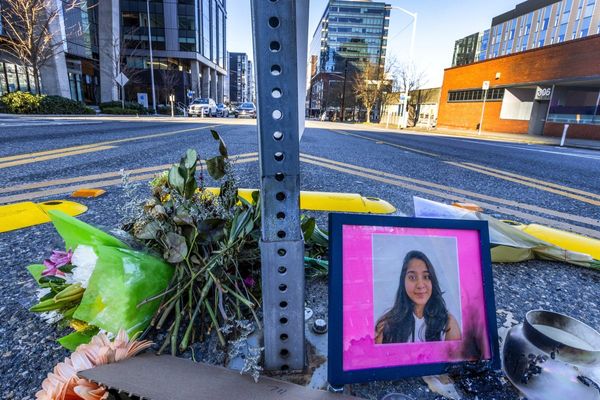

A year ago this week, Irish citizens voted overwhelming to lift their country’s ban on abortion, which had barred the procedure even for victims of rape and incest.
In the long period the ban was in place, thousands of women traveled abroad for abortions. Thousands more—women who could not afford to leave the country—were forced to carry their pregnancies to term, even when their fetuses had no chance of survival.
The death in 2012 of the 31-year-old dentist Savita Halappanavar helped shift public opinion on the issue. Halappanavar suffered an incomplete miscarriage in the 17th week of a wanted pregnancy, but her request for an abortion was denied. She died of a septic infection.
On First Person this week, Ailbhe Smyth, the co-director of the Together for Yes campaign in Ireland, describes what it was like for women living in Ireland during the ban and how the majority Catholic country managed to overturn it. She also talks about the recently passed laws in Alabama and other parts of the United States that ban most abortions.