
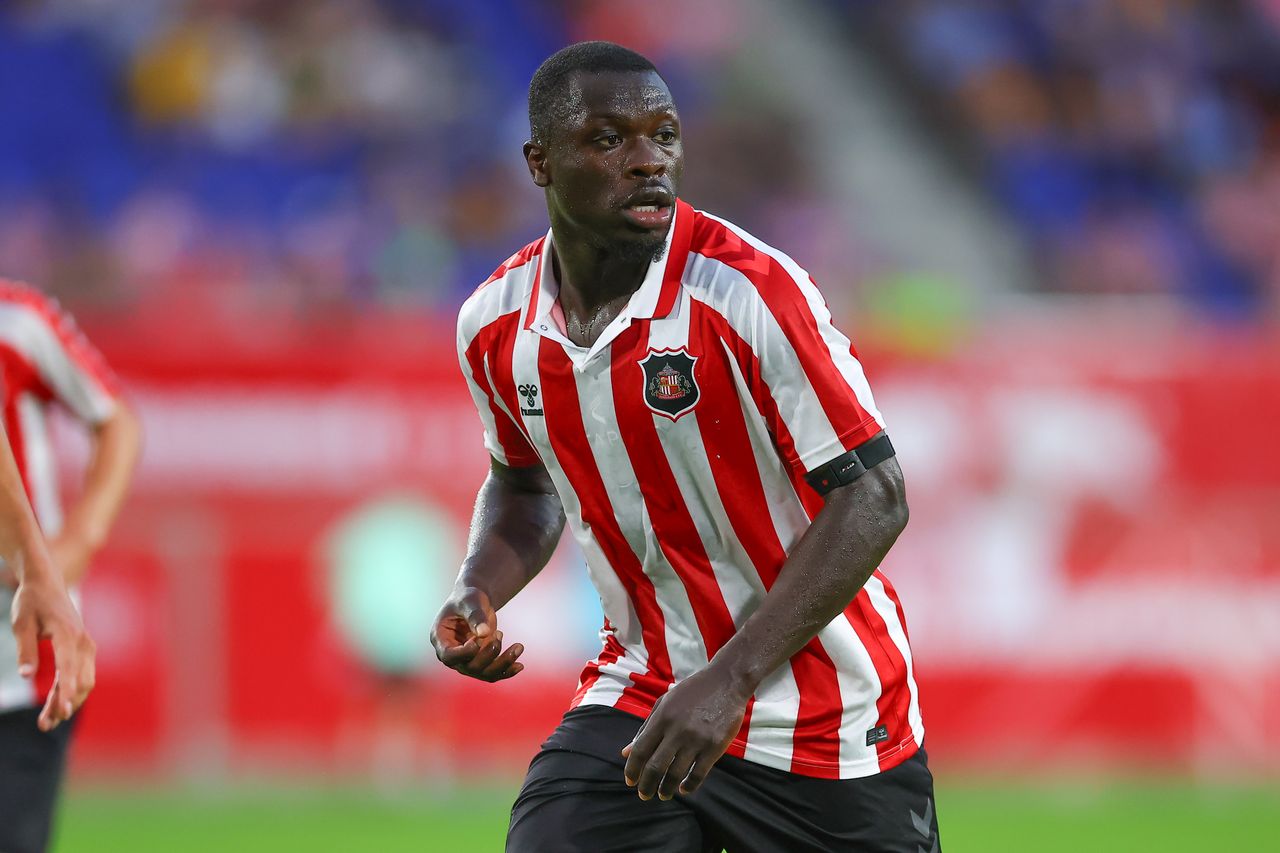
It's May 2025 and Ajax fans are reeling.
In one of the biggest collapses in Eredivisie history, their side has just thrown away a nine-point lead in just six matches, handing the title into the incredulous arms of PSV Eindhoven.
Scapegoats to apportion blame are instantly sought. And very quickly, one conspicuous difference between the sides during the season rears its head - scoring goals.
Across 34 games in the campaign, PSV found the net a substantial 36 more times than their main title rival. And a significant reason for that was the struggles of Ajax's forwards, in particular one Brian Brobbey.
The Dutchman had ended up with just four league goals - fewer than the top scorers at two of the relegated sides, Almere City and RKC Waalwijk. This stretched to merely 7 in 44 appearances in all competitions.
The fact that this pitiful return came just one year after the best goalscoring season of his career perfectly encapsulated Brobbey’s time in Amsterdam, which repetitively veered from exciting potential to frustrating inconsistency. In a mixed time with his boyhood club, Brobbey often sparked without truly setting alight.
It meant that, when Brobbey was, as expected, sold that summer, the overriding feeling was that it was right for both club and player. If there was any major emotion, it was surprise that he had secured a Premier League move, with newly promoted Sunderland coughing up a reported £21.6 million fee.

Fast-forward a year and the Life of Brian looks totally different.
Few could have predicted that just over a year after that tepid end to his Ajax career, Brobbey would not only be starting for the Netherlands at the 2026 World Cup but wreaking havoc upon opposition defences. For a long period, fans of the Oranje viewed Brobbey at best as a muscular impact sub and a squad player. Now, after scoring three goals in three starts at a tournament where he also linked the play brilliantly and showed his pace and power in abundance, he is the undoubted first-choice no.9 for the foreseeable future.
It has proven to be one of the more remarkable redemption arcs of the past year. And it all started with the foresight of those at the Stadium of Light.
The Brobbey Paradox
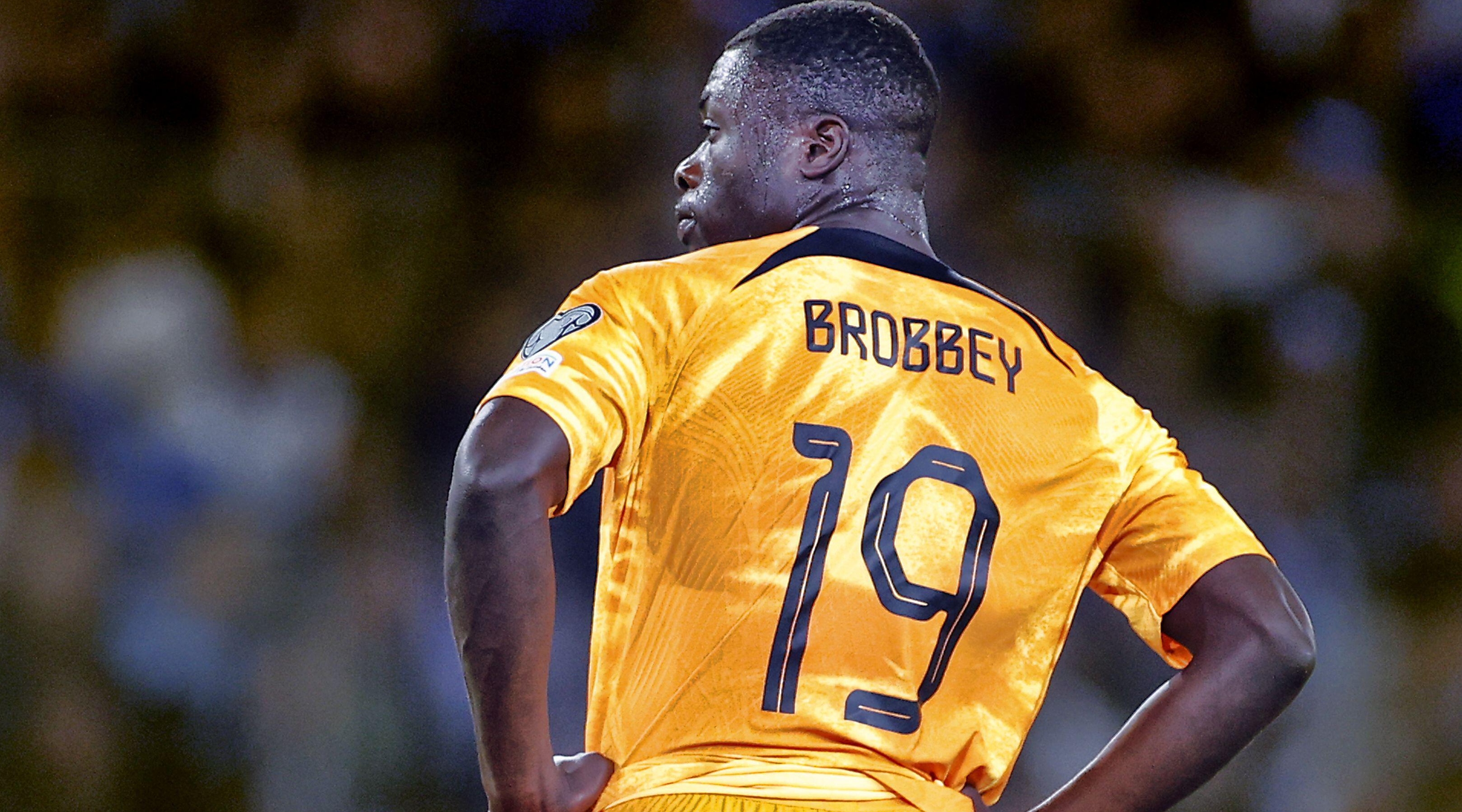
Those who watched Brobbey a lot in the Eredivisie would have perhaps considered that if the Black Cats were after that vital ingredient to ensure Premier League survival - a goalscoring striker - then Brobbey was better off being left on the shelf for someone else.
The academy graduate had previously returned to Ajax after a difficult half-season with RB Leipzig, initially on loan and then permanently in 2022. Even factoring in the leniency given to players with time on their side, there was a clear Brobbey paradox over the course of the next three and a half seasons.
One game he would look like a young player with all the attributes to become one of the world’s best old-school centre forwards. The next like one of those bigger kids who’d get picked for the school football team, but then give the distinct impression that they had never properly seen a football in their life.
As fans of Sunderland will now attest, Brobbey is able to combine fantastic strength and hold-up play with speed and a predatory instinct to get himself into the right positions in the box. The problem was, too often at Ajax he would do everything right but then fail to supply the necessary finish. It was as if a scientist had constructed the perfect young centre forward but then got distracted when applying the final and most important touches.
Blossoming in the North East
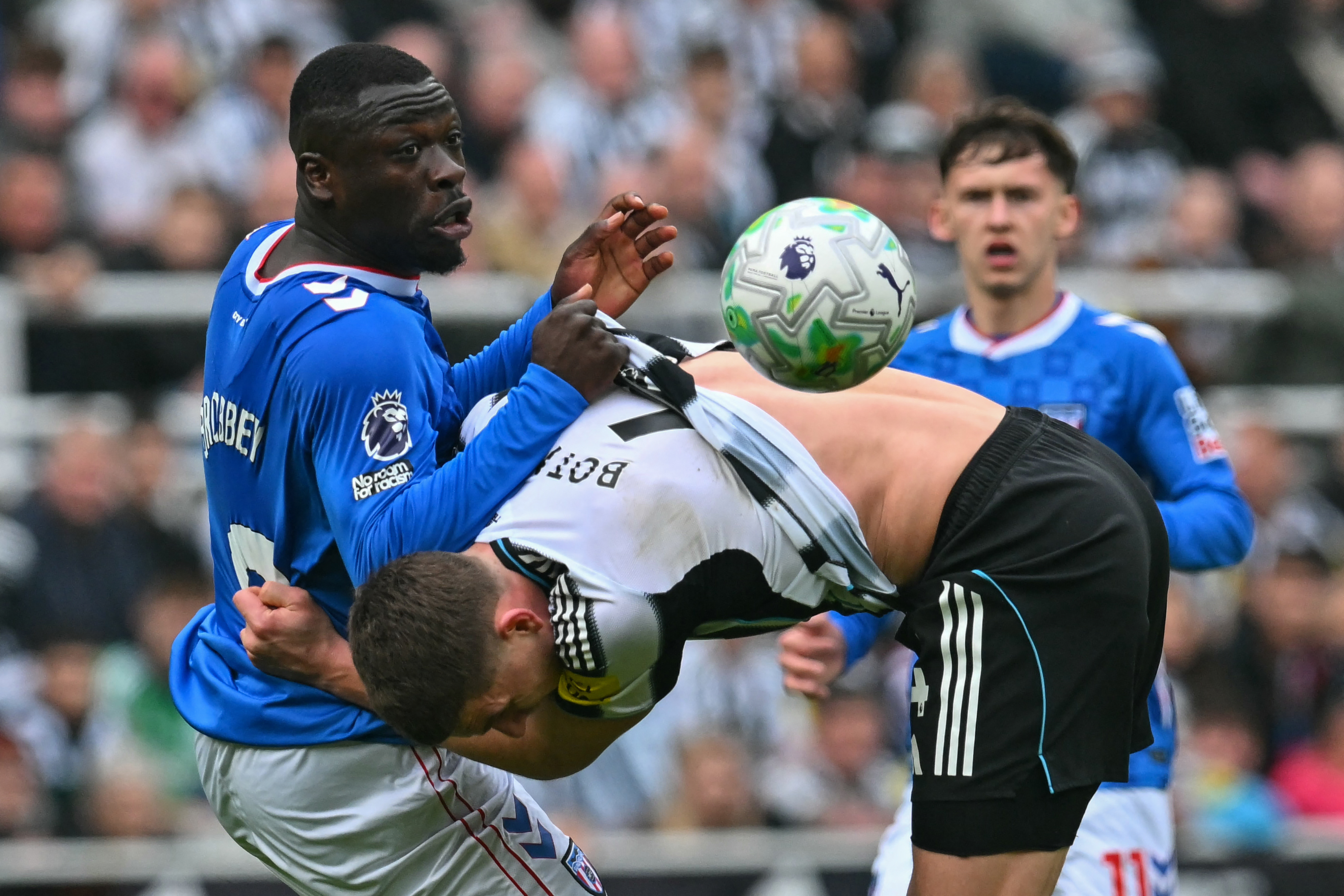
It turns out there was a real striker in there. He just needed the North East, not North Holland, to blossom.
With his physical attributes, there was no doubt Brobbey was going to be able to cope with the rough and tumble of Premier League football. Nevertheless, it has been a surprise - including to those across the North Sea - at how quickly he settled into life on Wearside.
A total of seven Premier League goals and one assist aren’t exactly big numbers on their own to get excited about, yet it was the nature of these contributions and the wider improvements in his game that have been so impressive.
After a slow start where he was initially brought in off the bench, two moments kick-started his career in England - one showed the player he has been, the other the player he is quickly becoming. In an away win at Chelsea, it was Brobbey’s superb strength, hold-up play and lay-off that enabled the cavalry to arrive in the form of Chemsdine Talbi to score a late winner. It was textbook Brobbey. Then, two weeks later we saw a far rarer side to his game with an acrobatic 94th-minute finish to earn a point against Arsenal. It was the sort of instinctive play that was often missing at Ajax.
At present, Brobbey looks like a man increasingly able to deliver at crucial moments. Last season included late equalisers against Arsenal and Tottenham Hotspur, the equaliser that sparked an away win against Everton, plus winning goals against Crystal Palace, Bournemouth and of course in the Tyne-Wear derby at St James’ Park. Throw in the aforementioned assist against Chelsea, and Brobbey directly played a part in securing 11 points for his team. Without them, Sunderland wouldn’t have been qualifying for Europe but ending just four points outside the relegation zone, nestled in between Tottenham and Nottingham Forest.
The capacity Brobbey has for drawing in defenders and being a physical nuisance is also invaluable for Sunderland when looking to get up the pitch, freeing up space for others. His quick turn of pace to break into the box - often after laying the ball off and spinning in behind - is frightening when he gets it right. The best example of this was his opening goal against Sweden at the World Cup, when he looked more like a 100 metre sprinter than a footballer.
On his day, watching Brobbey can feel like being taken back in time to an era of old school strikers getting their hands dirty, backing into defenders and revelling in the physicality of it all. A player happy to run the channels and to simply get in the box to cause some mayhem. He looks like he was made to play in the noughties, running out to ITV Football’s ‘Beautiful Day’ theme tune.
The really exciting thing about Brobbey is that theoretically there is still so much more to come from a player who is only 24 years of age. The challenge for the Amsterdammer is to now take his output to another level, and prove that he can get over the fallow periods that have previously knocked his confidence. Some strikers give an aura that they know they were made to score goals. Sometimes you feel Brobbey needs a calm tap on the shoulder to remind him of his potential.
According to XG Stat, compared to other Premier League strikers, he was in the top 16% for goal conversion last season but in the bottom 25% for non-penalty expected goals, demonstrating that if he can refine his decision-making in the attacking third, his ceiling for goal numbers is high. And for a player who does his damage within the penalty area, being in the bottom 22% for touches in the box per 90 minutes clearly needs improvement. Furthermore, as outlined by FotMob, a player who is one of the best in the whole division for aerial duels should definitely be having more than just six headed efforts on goal across a whole season.
An enigma no more
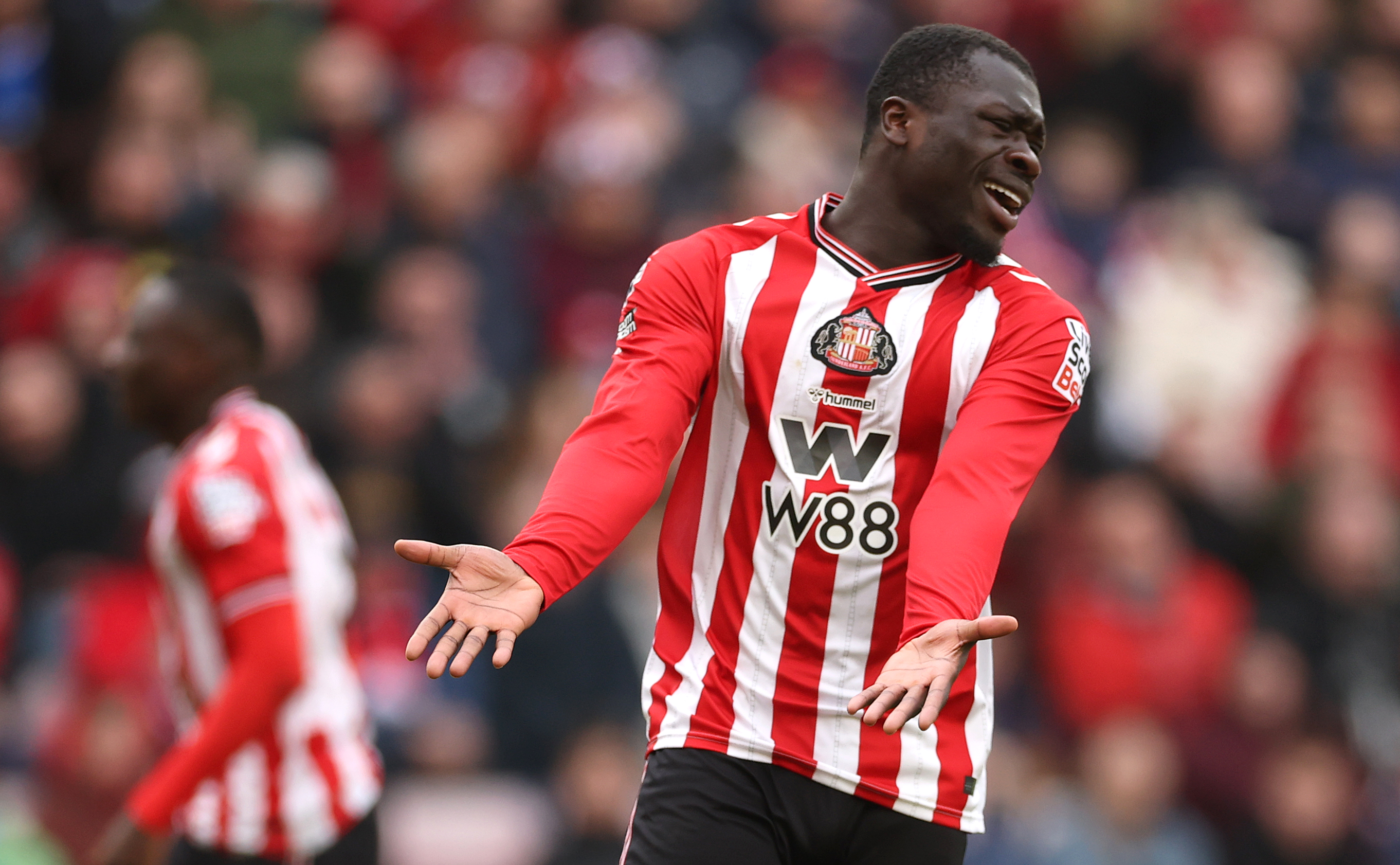
For much of his short career, Brobbey has been a bit of a footballing enigma. Could he actually be a good striker or not?
The question marks over his capacity to play in the Premier League were also understandable. Especially when, as has been proven in recent years, Dutch strikers in England - a bit like their country’s local Bitterballen cuisine - have been hit-and-miss. For every Ruud van Nistelrooy, there’s been a Memphis Depay.
There is room for improvement, but the doubters have been proven wrong. And the humble pie for those who doubted him, is still being eaten.
The different pieces needed for Brobbey to become a high-level centre forward were always there. Perhaps all it needed was the right environment to place them correctly together.