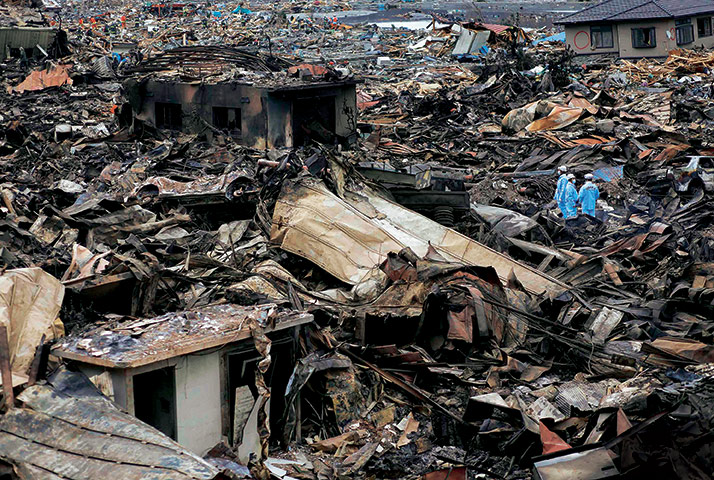
Survivor, Taiko Sawadate, 59, a nurse from Otsuchi City says: When the alarms rang, I had about 20 minutes to evacuate with my mother. We drove even higher than the recommended safe area, so I was sure it was OK. Someone shouted, “It’s coming” and I got out to have a look. The waters were upon us. I just about got my mother out of the car, but she tripped over. As I reached out to grab her, the tsunami swept us away. I was sure I was going to die.
Photograph: Reuters
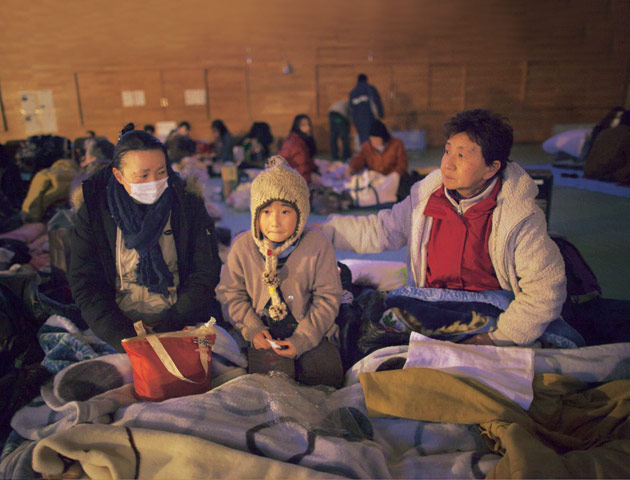
Photograph: Getty Images
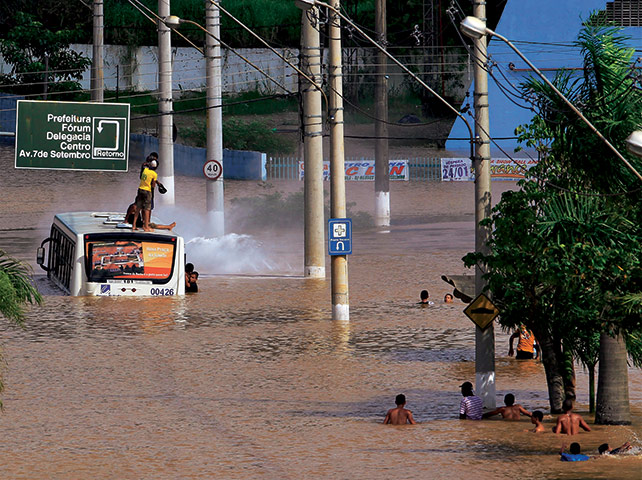
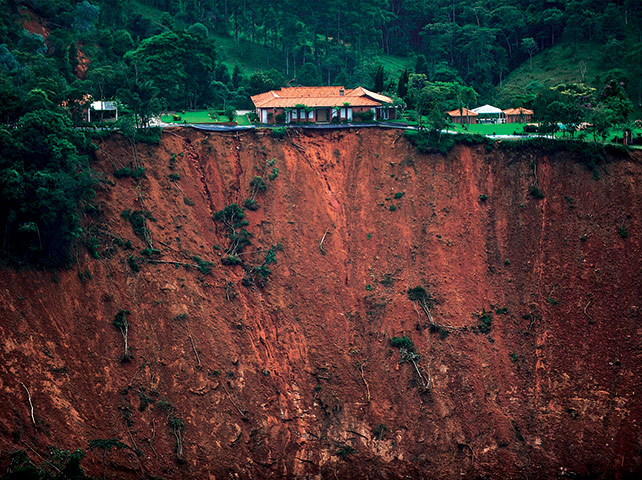
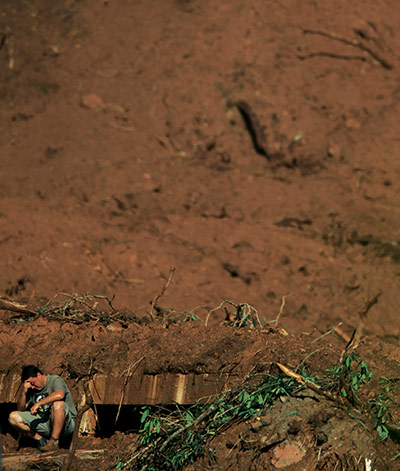
Survivor Mauricio Berlim, 35, an undertaker from Teresópolis, says: Only the following day did the scale of the disaster become clear. The first family came in at about 2pm – they had lost four relatives, three adults and one child. By 10pm, I was organising 50 burials...
My family has been in the funeral business for 106 years and no one had ever seen anything like it.
Photograph: Reuters
Photograph: Vanderlei Almeida/AFP/Getty Images
Photograph: Reuters

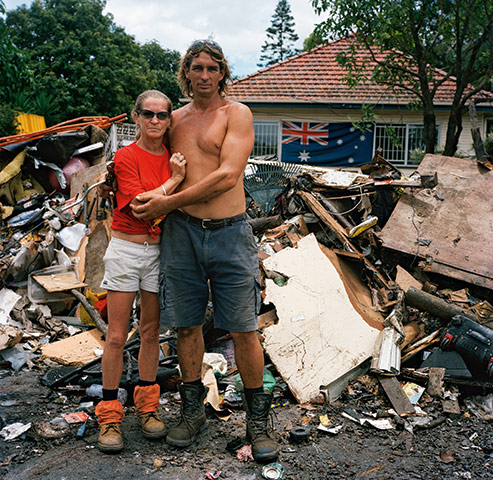
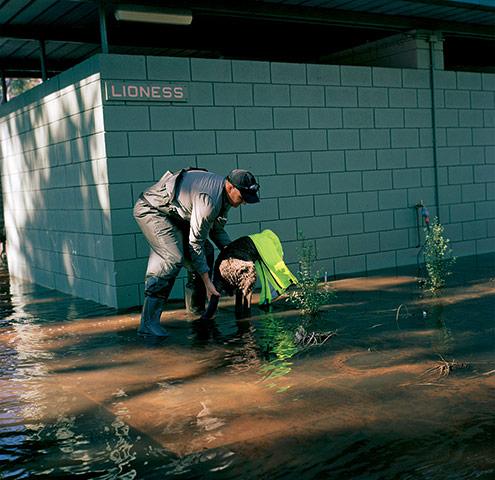
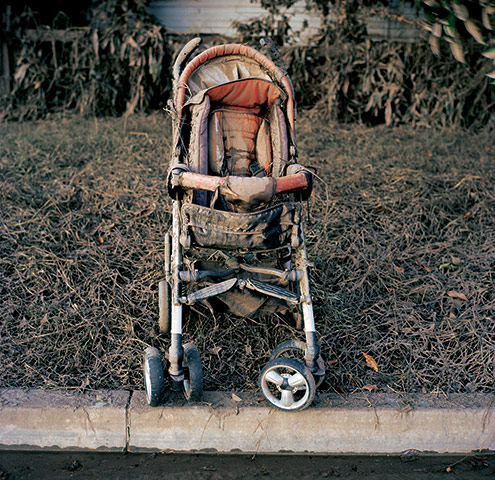
Author, Ashley Hay, 40, from Brisbane, says: I had left home three days earlier, on a wet day, but a normal one, and came back to find my house a little yellow island jutting out of a wide brown sea. Two days before, our suburb had been in a frenzy. My husband reported belongings being crammed into vans, trucks, cars – anything that would hold them. The traffic jammed as it tried to get to anywhere but here. Our grass, he said, was busy with flightless insects trying to get to higher ground: leeches, cockroaches, spiders. And it rained and it rained. Photograph: Gideon Mendel

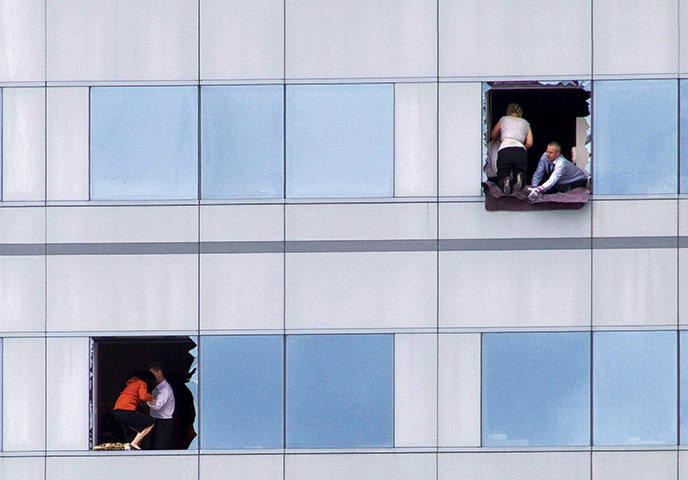
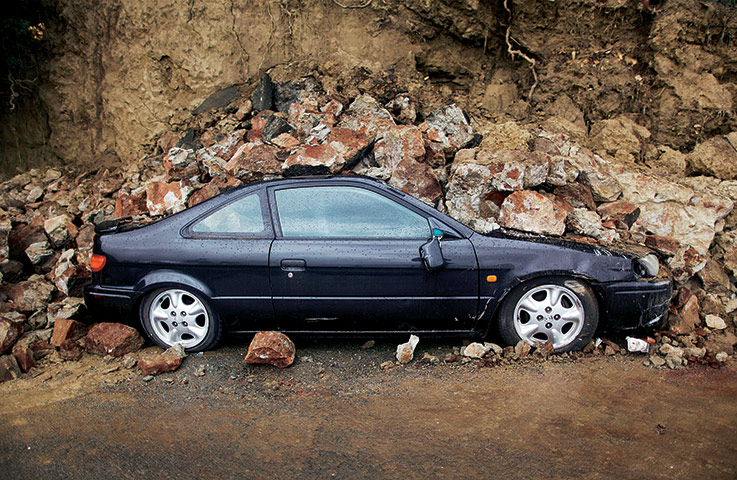
Survivor Anne Malcolm, 71, a counsellor, from Christchurch says: I don’t normally work on a Tuesday, but our counselling agency had a meeting from noon to 1pm [on the fifth floor of the Canterbury TV building]. The meeting was drawing to a close when, with no warning, the room exploded. Everything began to fly in all direction. The next thing I recall was being completely buried...
Photograph: Reuters
Photograph: Reuters
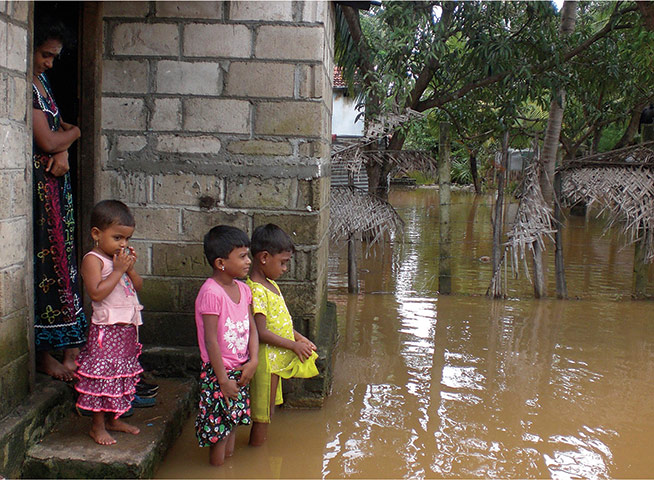
Milvahanam Loganadan, 40, a driver from Batticalao, says: Even before I could get to the door, the water was coming into the house. It was rushing in, so we picked up the children, ran out and kept going until we got to higher ground...
It is the fear that is the toughest thing to deal with. The children were really frightened when it happened and Laksher, my four-year-old, is still scared that the waters will come again in the middle of the night.
Photograph: STR/Reuters
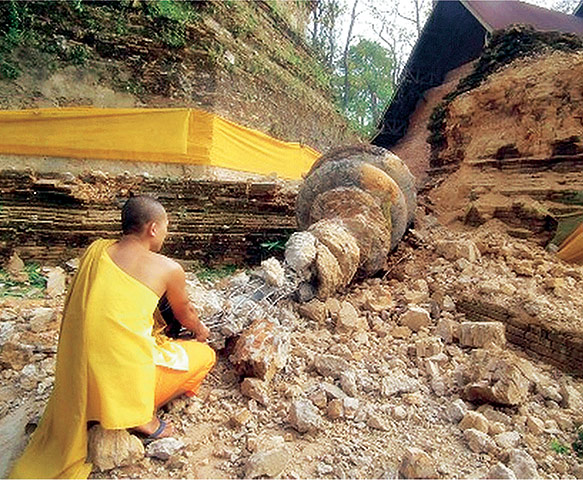
Survivor Sai Noom Khan (not his real name), 23, from Tachileik, says: We live on the top of the mountain, so there wasn’t too much damage. Since the earthquake, everyone’s been sleeping outside.
Yesterday I visited the villages of Tarlay and Mong Lin, about 30 miles away. They were devastated
Photograph: STR/AFP/Getty Images
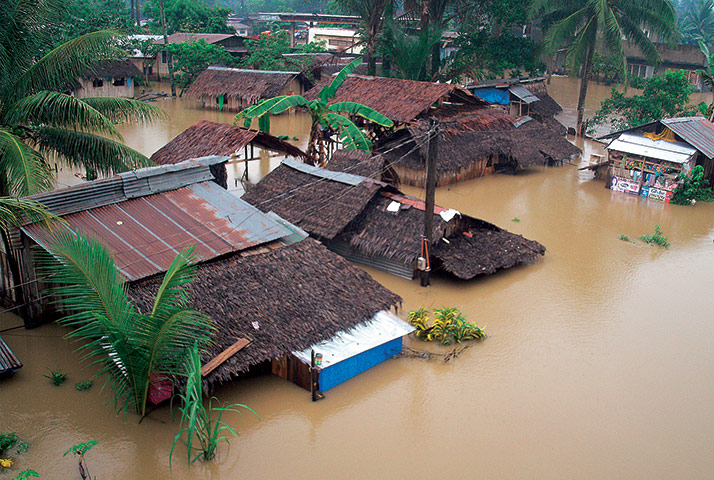
Survivor Ray Calleja, 43, a hospital porter, from Leyte Province says: We lost everything. I watched, helpless, as our home was taken away by the floods. The only reminder that our house stood there was a lonely post. How will I have a house again? I’m 43, I earn P6,000 (£86) a month. That house cost us P30,000 (£430).
Photograph: STR/AFP/Getty Images
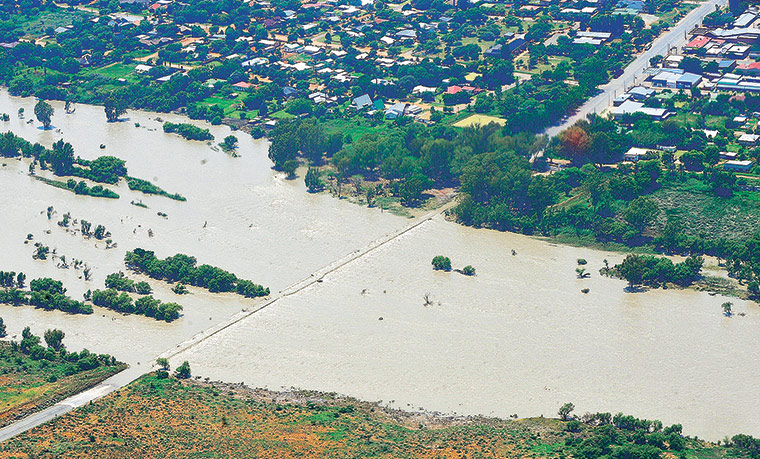
Survivor Amos Ndlovu, 47, an unemployed painter, from Diepsloot Township, Johannesburg, says: I’ve lived here for 10 years and this is the worst flooding I’ve known. There was heavy rain and I was afraid because I didn’t even know where to put my kids. We couldn’t open the front door because more water would come in. We could see the water was a metre high, so we used a hatch to climb on the roof – we waited there for four or five hours. Photograph: STR/EPA/Corbis