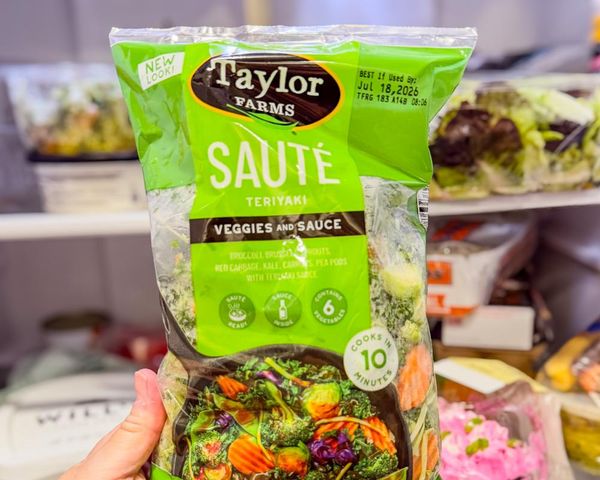

Food recalls are a terrifying reality for modern households trying to keep their families healthy and safe. Constant news alerts about contaminated produce and tainted meat make the weekly grocery run feel incredibly stressful. Relying solely on the evening news to catch these dangerous public health warnings is a massive mistake. Establishing a dedicated routine to manually check your pantry shelves prevents dangerous food from reaching your dinner table. Implementing this simple habit ensures your kitchen remains a safe environment for your children to enjoy their meals.
Auditing High-Risk Inventory
The foundation of this routine involves auditing your highest-risk inventory items before cooking dinner. Prioritize checking perishable items like soft cheeses, deli meats, and fresh leafy greens. These specific grocery categories frequently carry a much higher risk of dangerous bacterial contamination than dry goods. Taking two minutes on Sunday afternoon to cross-reference your refrigerator contents with official federal warnings is essential. This proactive step eliminates the anxiety of unknowingly serving a recalled product to your hungry family.
Leveraging Digital Safety Alerts
Utilizing digital resources makes this weekly shelf check incredibly fast and highly efficient for busy working parents. You should bookmark the official federal food safety recall website directly on your primary smartphone home screen. This portal updates daily with detailed lists of affected lot codes and specific regional store distribution maps. Many supermarket loyalty applications also send automated text alerts if a product you purchased gets officially flagged. Relying on these instant digital notifications provides a powerful secondary layer of defense against accidental foodborne illness.
Decoding Packaging Lot Codes
Understanding how to properly read packaging lot codes is crucial for executing a successful home shelf audit. Every grocery item features a complex string of numbers printed near the official expiration date stamp. You only need to throw away food if your printed lot code matches the warning notice. Misunderstanding these codes causes panicked shoppers to throw away perfectly safe food out of sheer blind fear. Verifying the digits protects your monthly food budget while maintaining kitchen safety standards.
Establishing a Quarantine Zone
Establishing a designated quarantine zone inside your refrigerator helps manage items that are currently under active investigation. Sometimes federal agencies issue vague warnings about a specific vegetable before pinpointing the exact farming origin. Moving these questionable items to a bottom shelf away from raw meats prevents dangerous cross-contamination entirely. You can safely hold the product there until the official investigation reveals the specific affected batch numbers. This patient approach prevents you from wasting expensive groceries prematurely during a chaotic public health media frenzy.
Protecting Household Pet Food

Expanding this shelf check routine to include your household pet food supplies is another vital step. Commercial dog kibble and wet cat food cans face massive national recalls just as frequently as human groceries. Pets cannot tell you if their dinner tastes slightly spoiled or contaminated with dangerous unseen bacteria. Checking the lot codes on their massive food bags guarantees your furry companions stay perfectly healthy. A quick scan of the pet pantry takes thirty seconds and provides total peace of mind.
Executing Safe Store Returns
Returning recalled food to the supermarket is the final step in this highly protective household safety routine. Most grocery stores offer a completely frictionless refund process for items officially named in a federal warning. Bring the sealed package back to the customer service desk to receive your cash back. Never attempt to cook or taste a recalled item to see if the bacteria were actually present. Reclaiming your money allows you to safely replace the contaminated ingredients and keep your meal plan intact.
Protecting Your Kitchen Consistently
Building a routine shelf check into your weekly schedule is a brilliant move for maintaining total household safety. It empowers you to take complete control over the food entering your home without relying on passive news updates. You will stop worrying about hidden pathogens and start cooking your family dinners with absolute confidence. Train your older children to help read the lot codes to make this process even faster each week. Consistent vigilance guarantees your kitchen remains a healthy haven for everyone gathering around the dinner table.
What To Read Next
The New FDA Food Traceability Rules Could Change the Way Grocery Recalls Reach Your Family
FDA Alert Brain Tonic Recalled After Botulism Contamination Risk
Major Jasmine Rice Recall Hits Target and Walmart Over Contamination Risks
4 Frozen Meals Recently Flagged in Safety Recalls
The post The ‘Recall Shelf Check’ Routine Every Grocery Shopper Should Do Weekly appeared first on Grocery Coupon Guide.