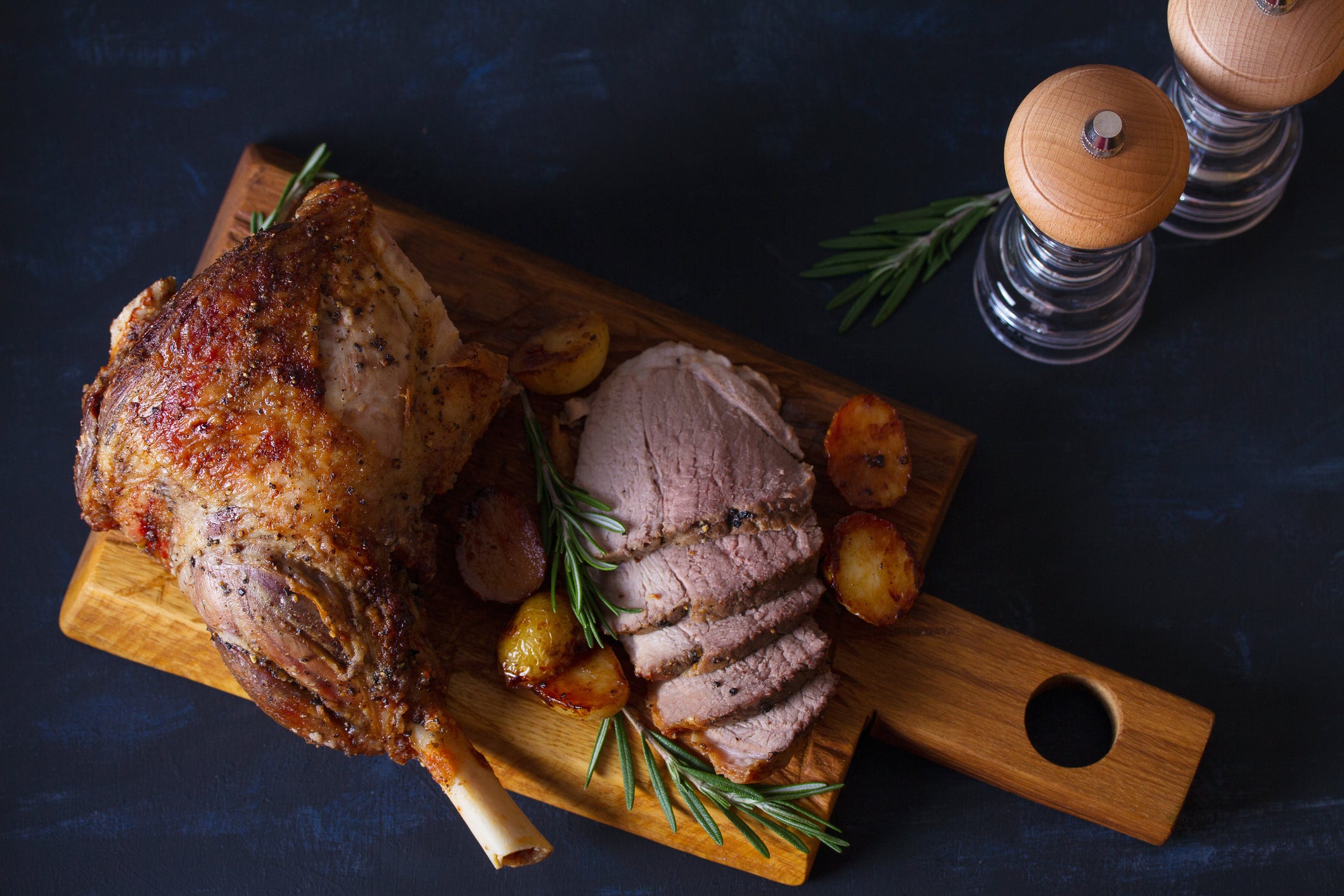
British households regularly consuming lamb have faced an additional £168 in costs over the past three years, a direct consequence of climate change, a new report reveals.
The Energy and Climate Intelligence Unit (ECIU) think tank attributes this surge to severe weather "shocks" impacting the UK since 2022.
These events, encompassing droughts, extreme heat, and heavy rainfall, have repeatedly driven up the price of a typical 2kg leg of lamb by between 7% and 21%.
Chris Jaccarini, land, food and farming analyst at the ECIU, said: “As families and communities sit down to celebrate this Easter, the cost of climate change is hitting home.
“Lamb prices are through the roof after droughts, extreme heat and heavy rainfall have hit farmers’ costs of production, weakening grass growth and not allowing the depleted hay stores they depend on time to recover.
“With beef and dairy prices up after similar extreme weather impacts on production, it is clear that climate change now poses a major and worsening challenge for livestock farmers.
“As the current oil price shock threatens to bring yet another round of food price inflation, without faster progress towards net zero to bring balance back to our climate, as well as more investment in the resilience of our farmers, the affordability of food is worryingly exposed to these worsening shocks.”
The analysis by Zero Carbon Analytics for the ECIU used Met Office data to model the impact of the drought and extreme heat in 2022, the record-breaking rainfall between October 2023 and March 2024 and the hottest spring and summer on record in the UK last year.
It combined this with figures from the Agriculture and Horticulture Development Board to model the impact of extreme weather events on farmgate prices.
The drought in 2022 was found to have increased prices by 11%, the wet winter of 2023/24 by 25% and recent drought by 13%, mainly due to the impact on grass growth.
Farmgate prices, which are assumed to follow through to consumer prices, added an extra £5 (17.5%) to the price of a lamb roast at Easter 2024 and £7 (21%) a year later.
Jack Cockburn, a sheep farmer from Ceredigion in Wales, said: “Here in West Wales, extreme weather is our biggest challenge.
“We’ve had two very wet winters in a row, which has meant poor grass growth due to waterlogged soils and low light levels with the very cloudy conditions.
“This has meant lambs going to the abattoir at lighter weights and less meat per animal.
“The problems are different for farmers across the country.
“Here in Wales, we’re suffering from wet weather, whereas in other parts of the UK long, hot dry spells in summer are the biggest issue.
“To mitigate this, we now keep fewer sheep as that makes it easier to maintain good-quality pasture by adopting nature-friendly grazing practices and rotating them around.”
As well as rising lamb prices, the cost of Easter eggs has risen by two thirds in three years, as heavy rainfall, droughts, and humid heatwaves affected cocoa production in West Africa.
Grocery inflation figures released this week by Worldpanel by Numerator show the average amount paid for an Easter egg is 9% higher than last year, up to £3.27.
White House deletes video footage from Easter event where Trump was compared to Jesus
Storm Dave named as Easter bank holiday weekend to bring 90mph winds and snow to UK
Easter bank holiday travel chaos as drivers face busiest weekend on UK roads
Trump’s spiritual advisor sparks backlash for comparing president’s life to Jesus
Lamb costs soared over last three years due to climate change – report
Departing BBC director-general Tim Davie: ‘very clear’ Scott Mills had to go