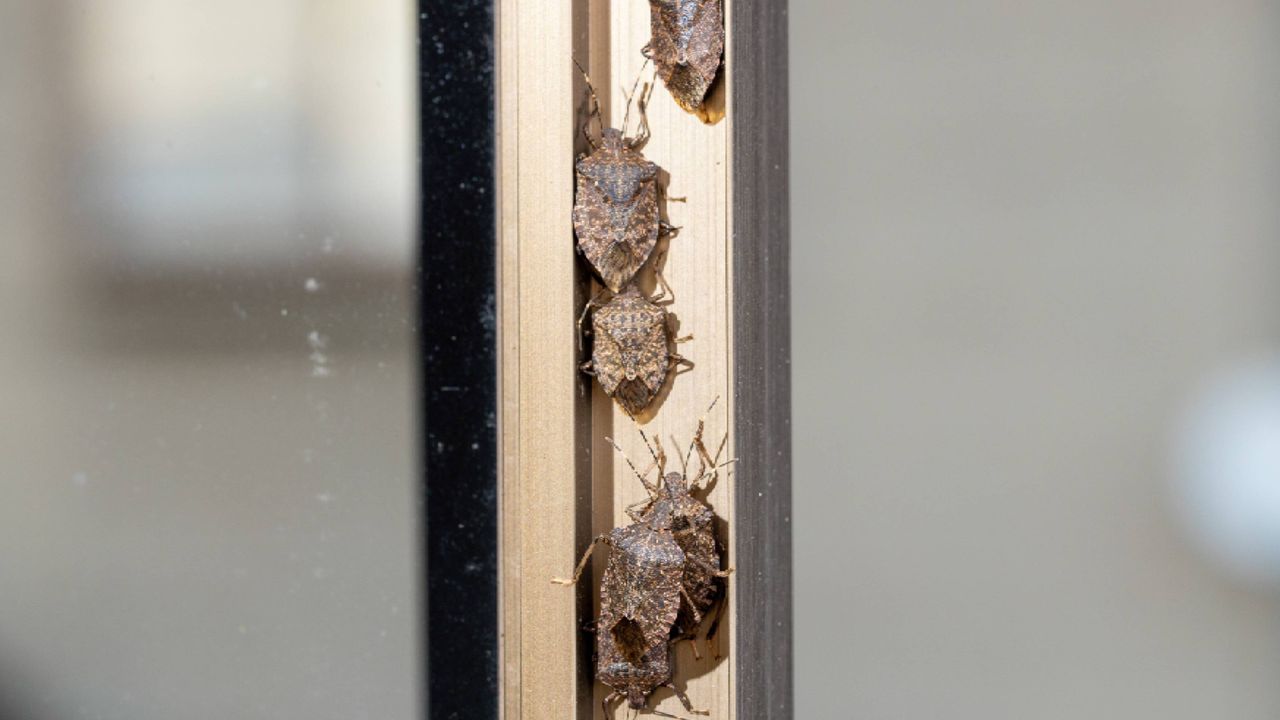
As summer heatwaves set in, you expect to deal with mosquitoes, ants, and termites, but finding a giant, shield-shaped stink bug buzzing around your living room ceiling fan is a very rude seasonal surprise.
While it's easy to assume these invasive summer stink bugs are freshly breaking in to escape the scorching heat. The reality is the bugs you're spotting inside your home didn't just arrive. They're likely invasive brown marmorated stink bugs that have been hiding there for a while.
The warmer weather tricks these overwintering pests into waking up from hibernation early. Now they're clumsily wandering out of your baseboards and vents, looking for an exit.
Here's how to safely remove them and seal your home before the next generation tries to break back in this autumn.
Native stink bugs VS the invasive kind
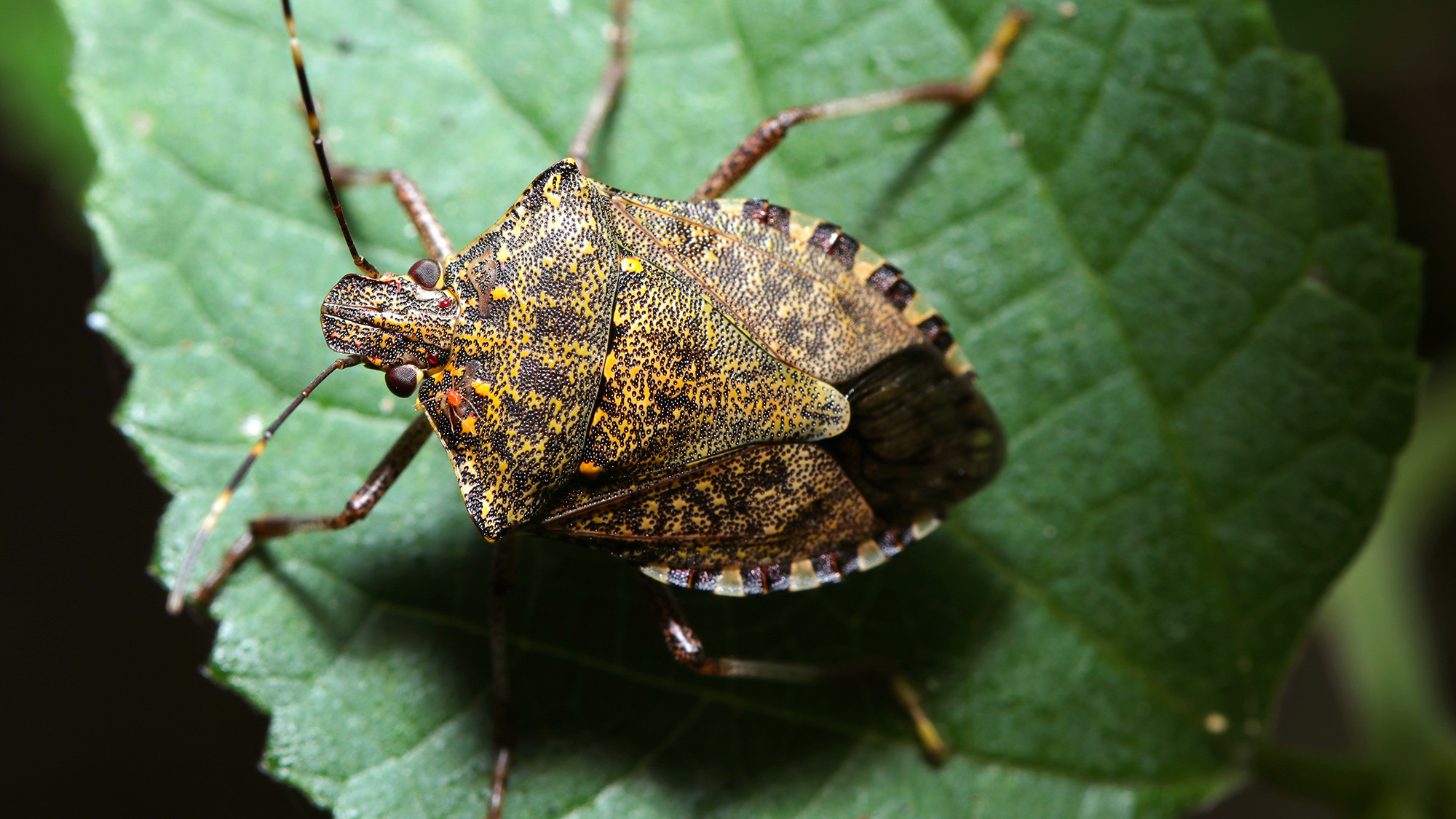
Brown narmorated stink bugs have a distinctive shield shape, mottled brown back, and white bands on their dark antennae. They're about half an inch long. Learning what invasive stink bugs actually look like is crucial to identification.
Native garden bugs look similar but are usually narrower with flared, leaf-like back legs. These harmless visitors don't emit the foul odor when disturbed. If you gently sweep it outside and smell nothing, it's likely a native look-alike, not an invasive stink bug.
How to repel stink bugs
1. Deploy the soapy water trap immediately

Since invasive stink bugs are already inside your living space waking from hibernation, do not swat them — they will stink.
Instead, set a small desk lamp over a shallow pan of water mixed with a squirt of dish soap in a dark room overnight. These groggy bugs will fly toward the light, fall into the water, and drown cleanly without releasing their odor.
This is the safest way to get rid of stink bugs currently in your home. Check the trap each morning and dispose of the water.
2. Use the nylon stocking vacuum trick
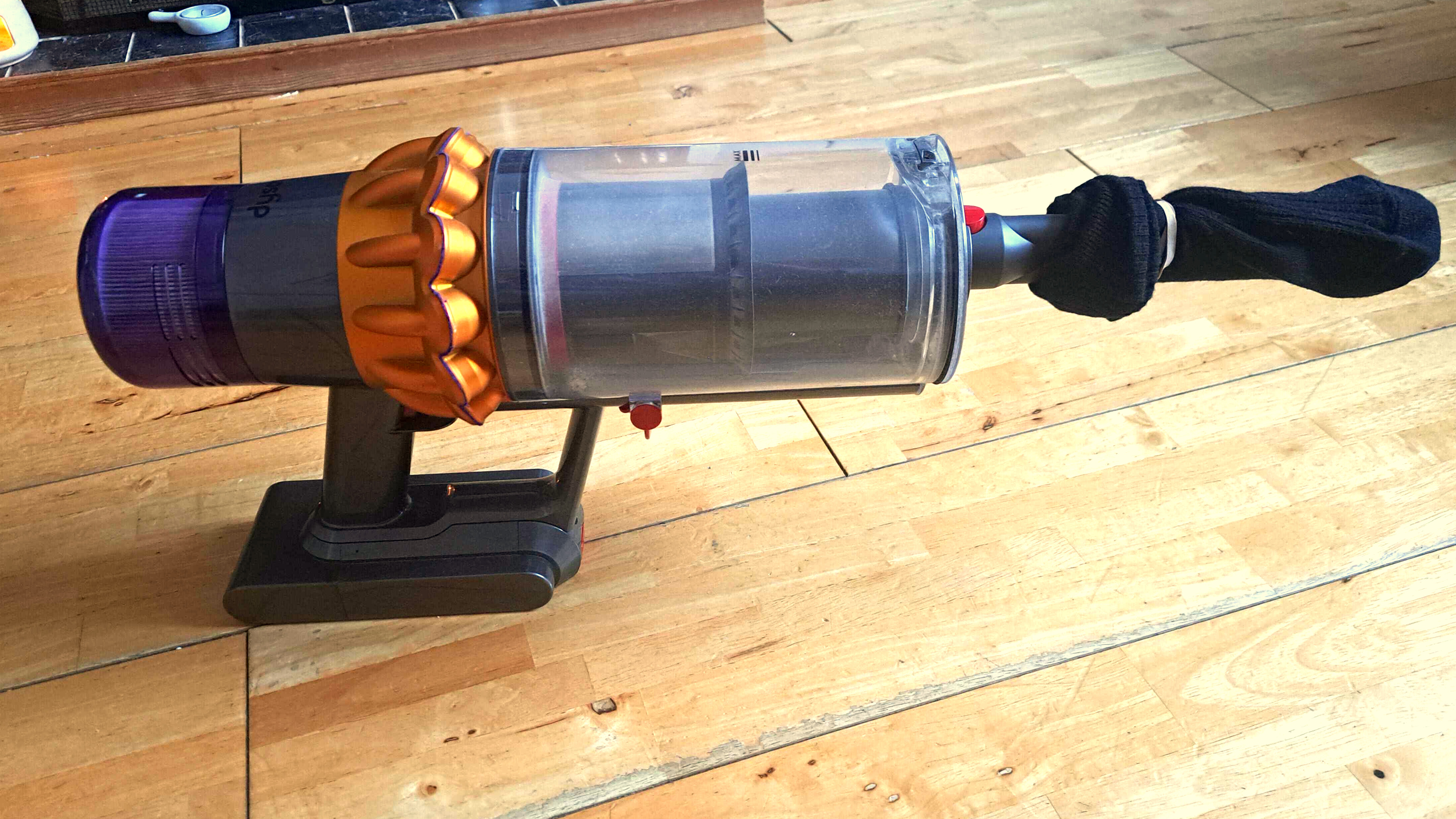
If too many invasive stink bugs are wandering around your curtains and baseboards, don't vacuum them normally. Instead, slip a nylon sock or pantyhose into the end of your vacuum hose and secure it with a rubber band.
Then simply vacuum them up so they get caught in the stocking, then tie it off and throw it away outside. This method prevents the bugs from being crushed inside your vacuum, which would release their pungent smell throughout your home.
3. Spray on interior windowsills

As these overwintering stink bugs wake up inside your walls, they crawl toward daylight — your windows. A great deterrent is a DIY peppermint spray.
To make this, spray peppermint oil or clove oil (10-15 drops mixed with water will do) on the inside of your windowsills and baseboards to stop them from entering your main living spaces.
To ensure it doesn't stain any surfaces, test the spray on a small area first. The mixture stays effective for several weeks when stored in a cool, dark place. And reapply every two weeks as they continue waking throughout summer.
4. Manage light spillage

Like moths, stink bugs exhibit positive phototaxis: essentially this means they are drawn to light. At night, close your blinds and curtains so indoor light doesn't shine out and pull bugs toward your windows.
This simple step prevents the overwintering stink bugs wandering inside your walls from being attracted to the glow of your living room or bedroom lights.
By blocking light spillage, you eliminate a major beacon that draws these groggy bugs from their hiding spots toward your main living spaces. Keep blinds closed during evening hours when stink bugs are most active.
5. Seal the perimeter now for autumn

The invasive stink bugs you see now are leaving, but come September, their children will try to crawl back into those exact same gaps.
Use this summer weather to caulk your windows, repair damaged screens, and seal cracks around baseboards and vents.
This proactive defense is your ultimate weapon against the next generation of brown marmorated stink bugs trying to invade in fall. Inspecting your home now prevents a invasion later.