For years, job boards have followed the same basic formula. Companies manually post openings, candidates search using keywords, and both sides hope the algorithm does the rest. While this model still works to a degree, it is increasingly out of sync with how the internet and hiring itself actually function today.
In 2025, the job market is more global, more fragmented, and more dynamic than ever before. Roles appear and disappear quickly, companies hire across borders, and many opportunities never make it to traditional job boards at all. This has led to a quiet but important shift in how people discover jobs online.
Why So Many Job Offers Never Reach Job Boards
A growing number of companies no longer rely on classic job boards as their primary hiring channel. Instead, they publish open roles directly on their own websites, often under careers pages that are updated frequently and tailored to their internal processes.
For job seekers, this creates a visibility problem. Even highly qualified candidates may never see relevant openings simply because those roles were never manually posted elsewhere. The result is a hidden job market that favors those who already know where to look.
This gap has become especially visible in technology, where startups and scale ups hire globally but prefer to control how and where their roles are published.
Automation Is Reshaping Job Discovery
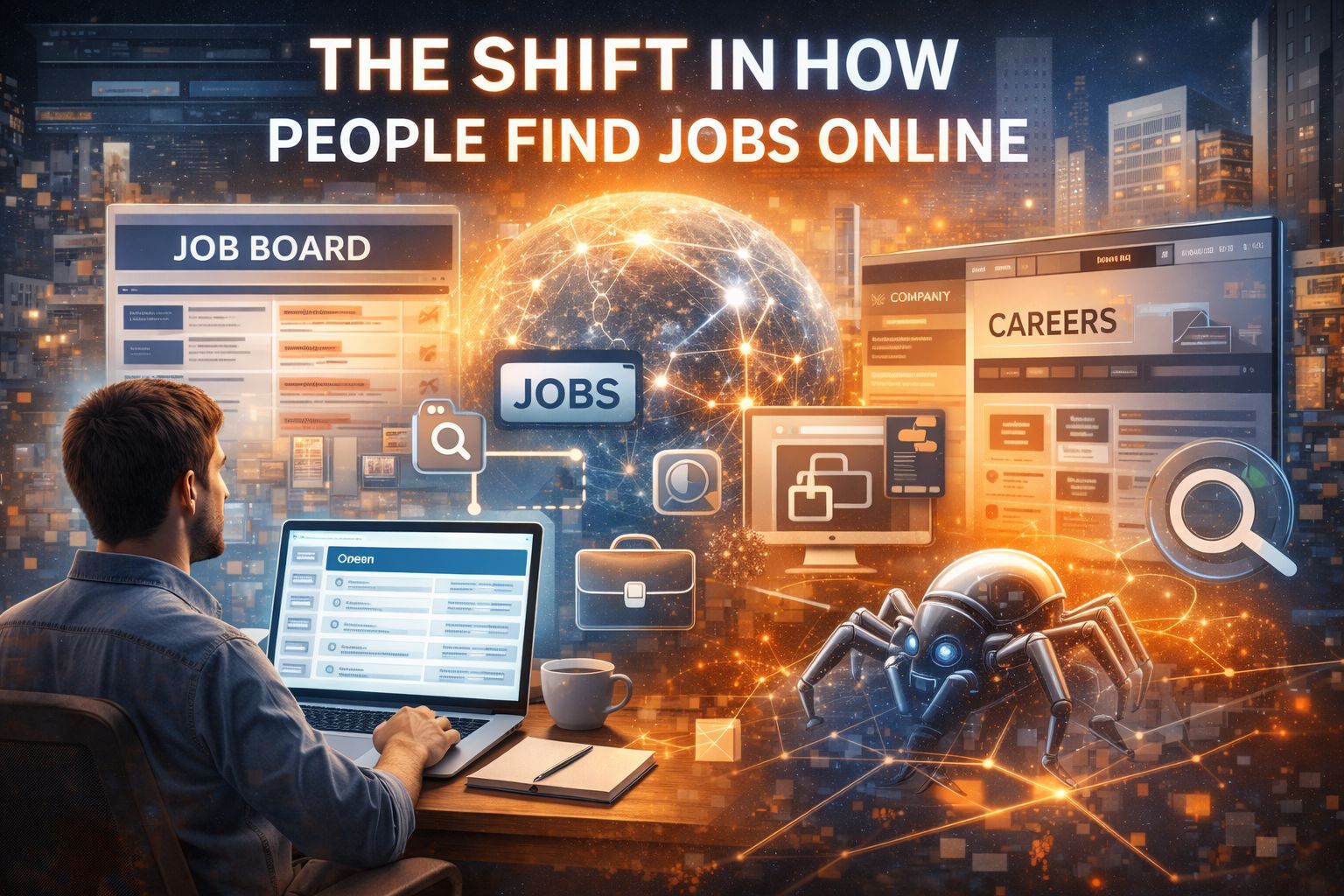
As manual job posting becomes less representative of the real market, automation is starting to play a larger role. Instead of waiting for companies to submit listings, new platforms focus on discovering job offers directly at the source, company websites themselves.
This approach reflects how the web actually works. Information already exists publicly. The challenge is finding it, keeping it up to date, and making it searchable in a meaningful way.
One example of this shift is CrawlJobs, a platform that automatically collects job listings from company websites and makes them searchable across countries and languages. By focusing on direct sources rather than manual submissions, it aims to surface opportunities that would otherwise remain hard to find.
https://www.crawljobs.com/
The key difference is not just automation, but accuracy. When job data is continuously refreshed from the original source, outdated or expired offers become far less common, which is a frequent frustration for job seekers today.
Global Hiring Needs Global Visibility
Remote work and distributed teams have turned hiring into a truly global process. A developer in Europe may apply to a company in the United States, while a designer in Asia joins a startup based in Berlin. Despite this reality, many job platforms still operate within language or country silos.
Modern job discovery tools increasingly address this by indexing offers across multiple regions and languages. This allows candidates to search beyond their local market and access opportunities that would otherwise remain invisible.
From Job Boards to Job Infrastructure
What is emerging is not just a new type of job board, but a new layer of infrastructure for hiring. Instead of acting as a marketplace where content must be manually supplied, these platforms function more like search engines. They continuously scan, structure, and update publicly available data.
For job seekers, this means less time spent searching and more time evaluating real opportunities. For employers, it offers visibility without additional effort, especially for roles that are hard to fill or require specialized skills.
Looking Ahead
The way people find jobs online is changing, even if the shift is not always obvious. As automation, global hiring, and direct publishing become the norm, platforms that adapt to these realities will shape the next generation of job discovery.
Rather than replacing traditional job boards overnight, these systems quietly complement them. They fill gaps, reduce friction, and make the job market more transparent for everyone involved.