
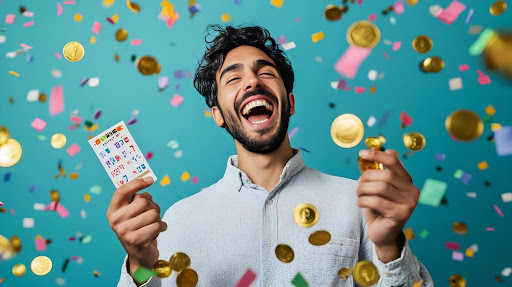
Image by Halina Likhachova on Freepik
Most people who buy a lottery ticket aren’t expecting a life-changing windfall. For many, that small act is about allowing a moment of possibility into an otherwise ordinary day. Despite extremely long odds, millions of people still participate in lotteries every year around the world. Some casually follow lottery news or check results through platforms like MyLottoGuide, making the habit feel more like light entertainment than a serious gamble. To understand why, it helps to look beyond the math and into the human mind.
What a Ticket Really Represents
When someone buys a lottery ticket, they are buying permission to daydream. In the hours or days between a purchase and a drawing, people often imagine how their lives could change. Thoughts might drift to paying off debt, helping loved ones, traveling, or finally pursuing a longtime goal.
That experience, the mental escape and sense of hope, is itself valuable. It’s similar to why people enjoy books, movies, or storytelling: the pleasure isn’t found in the physical object, but in the world it invites you to explore.
How Our Brains Outsmart Probability
Even people who understand probability can fall into mental traps when it comes to uncertainty. Humans rely on intuitive shortcuts to make sense of complex information. These shortcuts, sometimes called cognitive biases, influence how we perceive risk and outcome.
For example, when someone sees a news story about a big winner, that story sticks in memory. Because memorable events feel more significant than abstract statistics, they can skew our sense of how likely a win actually is. That emotional impression can make a rare event seem more attainable than it really is, even when the math clearly says otherwise.
Some experiences that feel almost like winning, like matching most, but not all, of the numbers, can also create a misleading sense of proximity to success. These near misses don’t change the true odds, but they can influence how people feel about their chances and what they’re willing to do next.
The Social Side of Playing
Lottery traditions often take on a social dimension. In many workplaces, groups pool tickets and share the anticipation together. Family members might check results over coffee or share jokes about “what you would do if you won.” Those social interactions make the lottery much more than just a game of chance. They make the lottery a shared cultural experience.
In this way, lottery play is like other social rituals that draw people together around small habits or conversations. The joy of shared imagination, even in the absence of a big win, can create connection and spark memorable moments.
Why People Treat It Like Entertainment
Most people who play the lottery don’t think of it as a financial strategy. They see it as a form of entertainment – a small, inexpensive way to indulge in hopeful thinking. That’s an important distinction, because problems arise when play is treated as a solution rather than a pastime.
Human decision-making isn’t purely logical, especially when uncertainty is involved. We often rely on feeling and intuition as much as statistics. That’s one reason low-probability games like lotteries still attract interest. People imagine outcomes while evaluating the odds. This tendency to emotionally navigate uncertainty is explored in this inkl.com piece on how people learn to live with the unknown.
From Corner Store to Smartphone
The way people interact with lotteries has changed over time. In earlier decades, playing meant stopping by a physical retailer. Today, many players check results, review numbers, and learn about different games using digital tools. This shift doesn’t necessarily make people play more often, but it does make information more accessible.
Instant access to results and game rules adds transparency. When players can easily verify odds and understand how drawings work, they are better equipped to make informed choices. That sense of clarity can help keep expectations aligned with reality.
Small Rituals Matter More Than We Think
For some people, playing the lottery becomes a comforting little ritual. Maybe it’s buying a ticket on a Friday night, or checking results with morning coffee. These routines are about luck, rhythm and predictability. Small rituals give people a sense of control and order. That emotional guidepost, the simple pleasure of routine, is part of why lotteries endure. They offer something personal and comforting even when winning remains improbable.
Rituals also play a role. Some players pick birthdays, repeat “lucky” numbers, or buy tickets on specific days. Even when people know these choices don’t change the odds, the habits feel meaningful. This blend of logic and superstition is common in games of chance, as shown in this inkl.com article exploring unusual gambling beliefs.
When Play Becomes Harmful

Image by syda_productions on Freepik
While most people enjoy the lottery casually, it’s important to acknowledge that gambling can become problematic for a few. Signs include spending more than one can afford, chasing losses, or seeing gambling as a financial solution instead of entertainment. Public discussion and education about responsible gambling have become more open over recent years, helping reduce stigma and promote awareness.
Guides from reputable resources like UK Gambling Commission highlight the importance of treating lotteries as low-risk, not as income sources. Their research shows most players participate occasionally and within their means. Such guidance helps frame the lottery in realistic terms. Awareness reduces the likelihood of problematic behavior.
Why the Lottery Endures
Lotteries have existed for centuries in some form. They tap into something uniquely human: the ability to imagine a future that’s different from today. Unlike other forms of gambling, lotteries require no skill, minimal time, and no special knowledge. Anyone can grasp the premise in a moment.
In uncertain times, even a small dose of hope can feel meaningful. The lottery provides that feeling without asking for much in return. When approached responsibly, it stays true to what it has always been: a simple ritual of imaginative possibility.
A Human Habit, Not Just a Game
Playing the lottery is much more than picking numbers. It's also about how humans relate to chance, hope, and community. It blends psychology, culture, and emotion in ways that reveal more about us than we might realize. For most people, it remains a harmless indulgence, a small spark of optimism in everyday life.
As long as the experience stays balanced and grounded, that spark can be both meaningful and enjoyable, a reminder of why humans are naturally drawn to stories of possibility and change.









.png?w=600)




