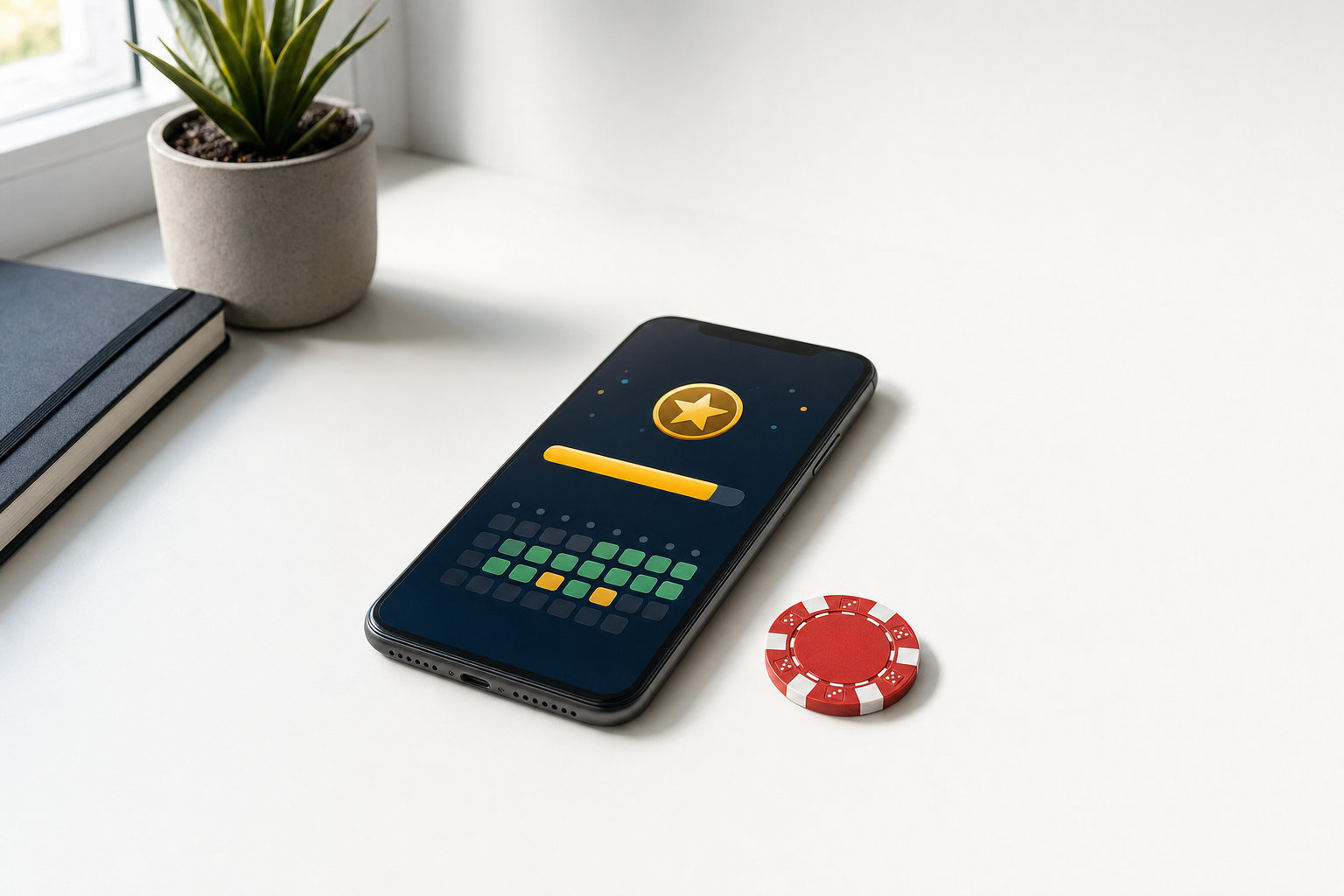
Reward-based entertainment has rapidly become central to digital experiences, profoundly changing how audiences interact with games, streaming services, and social apps. Instant feedback, progression systems, and achievement-oriented features drive users to return and stay engaged. This article explores the psychological mechanisms underpinning reward-based entertainment and how they are reshaping digital behaviour and engagement habits.
Across digital platforms, entertainment providers are incorporating mechanics that reinforce participation and encourage engagement using carefully designed rewards and progress incentives. For example, mobile casino apps utilise achievements, daily streaks, and real-time feedback to sustain user interest, reflecting a broader trend within the digital entertainment landscape. Understanding why these features resonate with so many people reveals the powerful psychological principles guiding the evolution of interactive, reward-driven online platforms.
The shift from passive consumption to interactive engagement
Digital audiences are turning away from passive viewing in favour of entertainment experiences that offer a sense of agency, accomplishment, and continual progression. This change reflects an increased desire for personalised challenges and interactive opportunities that immerse users in ongoing narratives or goals.
Elements like quests, progress bars, and daily challenges meet these expectations by delivering immediate feedback and tangible milestones. Such tactics, originating in gaming, are now widespread across streaming, social, and e-commerce platforms, shaping what users expect from digital entertainment and reinforcing their participation by linking activity with reward.
This transformation has been accelerated by advances in technology that enable sophisticated tracking of user behaviour and preferences. Platforms now employ adaptive algorithms that personalise reward structures based on individual engagement patterns, creating tailored experiences that feel uniquely responsive to each user. The integration of social features further amplifies this shift, as users can share achievements, compare progress with peers, and participate in collaborative challenges that blur the lines between entertainment and social interaction. This evolution represents a fundamental reimagining of what entertainment means in the digital age, where participation and recognition have become as important as the content itself.
Psychological mechanisms behind reward systems
Reward-based entertainment leverages essential psychological mechanisms that drive motivation and repeated engagement. Techniques such as instant feedback, variable rewards, and completion milestones tap into core human tendencies for achievement and anticipation.
Progress bars and level systems encourage users to remain active by offering clear indications of advancement, while variable reward schedules maintain excitement and unpredictable satisfaction. Concepts like the goal-gradient effect suggest that proximity to rewards increases users’ motivation, explaining the persistent allure of milestones and achievements within digital ecosystems.
The role of rewards across digital platforms
Reward principles extend well beyond traditional games into every corner of digital entertainment. Streaming services use watch streaks and viewing milestones, social platforms introduce badges and community rankings, and shopping sites deploy loyalty rewards to strengthen engagement.
Features fostering community, such as leaderboards and collaborative events, encourage both competition and cooperation, amplifying the social aspect of reward-based engagement. Mobile casino apps, for instance, combine personal achievements with group tournaments and seasonal events, echoing similar strategies adopted by a wide range of digital services to build lasting user motivation.
Cultural impact and balancing engagement with well-being
The prevalence of reward-based entertainment is influencing how people describe and experience leisure, with language increasingly centred on achievement, progress, and completion. These shifts reflect the integration of game-inspired structures into everyday digital activities, and signal a wider cultural embrace of interactive, accomplishment-driven entertainment.
However, the constant availability of rewards and digital feedback can present both positive and negative effects. While these features can promote engagement and satisfaction, they may also encourage excessive participation and pressure to maintain streaks or goals. Designers and platform providers are now exploring ways to support healthier interaction patterns, ensuring that reward systems contribute positively to user well-being while maintaining the appeal of interactive entertainment.