“I can’t even afford to get my gutters fixed or replace the rotten back door on my house. Does society really want its professional public servants feeling like this?”
That’s the question posed by John, a government worker who, like many other staff in the public sector, is feeling the pinch of pay restraint.
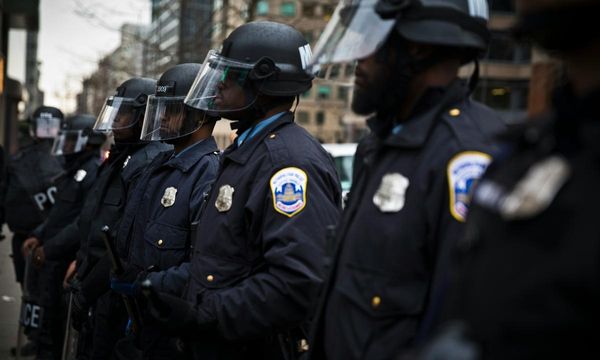
Earlier this year, thousands of public sector workers, including teachers, nurses, police officers, firefighters and civil servants, woke up to the news that they would face another four-year pay freeze at 1% a year as part of chancellor George Osborne’s planned £17bn savings. Many more jobs are also set to be lost across the public sector. Professional public sector staff across the UK are now being forced to make sacrifices and economies on a massive scale.
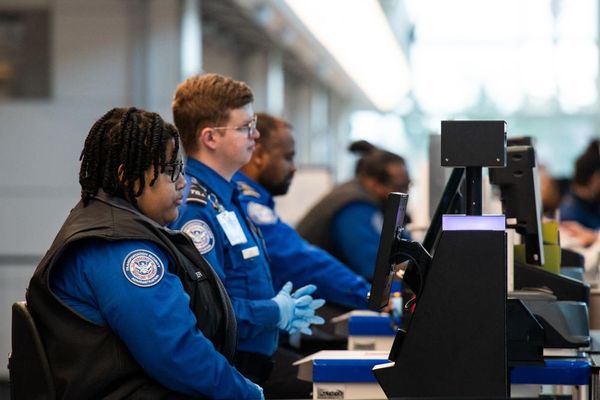
Civil servants are also suffering under the cuts, with the service at its smallest since the second world war. One manager in the Department for Work and Pensions says it has become increasingly difficult since 2010 to keep staff motivated. “Effectively, and perversely, top performers can be paid far less than those who must improve because you cannot rise in your pay scale. The fact that departmental pay scales differ – some by many thousands for the same grade – is also causing a ‘brain drain’ in my department,” he says.
“Keeping morale up is a slow and painful process, coupled with the negative press around gold-plated pensions, which is simply not true.”
Some professionals are even facing the reality of having to leave the jobs for which they are qualified in order to undertake work that pays more. Mick, a former specialist worker at Ordnance Survey, was forced to take a job on the railways after his civil service pay and pension failed to keep up with inflation. He says: “What was a reasonably competitive wage in 2003 has just gone downhill. Those of us at the top of the pay scale saw few consolidated increases as the majority of the pay pot went on bringing people through the scale.
A recent survey by the Guardian shows that 93% of society professionals now feel more stressed at work as a consequence of the cuts, with increased workloads, fewer breaks and longer hours becoming the new normal across the sector.
The firefighter: ‘I’m already thinking about what I’ll have to cut out of Christmas’
Lucy Masoud is London regional officer for the Fire Brigades Union. She took a pay cut to join the service.
“When I first took on this job, I took quite a substantial pay cut, but I was happy to do that because it was something I wanted to do. I wanted to help my community. At the same time, I assumed that my wages would be linked to inflation for me to continue to be able to live in London. The fire service has to be on time – if we’re not, we’re risking people’s lives – so I have to live in London.
“When you join the fire brigade, it’s not because you want a lot of money. But you do assume that you will be looked after, and that you won’t be put in unnecessary danger (other than the fires themselves). But take the government changing the terms of my pension: now they want us to work until we are 65. I don’t know about you, but when I call the fire brigade I wouldn’t expect to see 65-year-old firefighters arrive.
“The past three years have been a struggle. Since the pay freeze – which I call a pay cut because our wages have stayed the same and the price of goods and services have gone up – I haven’t been able to go out much socially. And it makes a difference. For example, I recently had a leak in my bathroom and it’s going to cost between £150 and £250 to sort out. And I know it’s only November, but it’s made me think about the knock-on effect this will have on Christmas and what I’ll have to cut out.
“I also have a couple of weeks of annual leave booked over Christmas and usually I would think about going on holiday, but I can’t afford it this year.”
The environmental regulator: ‘I feel completely taken for granted by this government’
John is a professional environmental regulator and a criminal investigator with 17 years’ service. By end of this parliament he will have endured pay restrictions for 12 years, and estimates that his salary has devalued by 10-15% since 2010.
“We often think of the cost of living crisis as just a low pay problem, but even people with steady jobs are struggling to make ends meet.
“I am a classic example of the ‘squeezed middle’. I earn £34,000 working as an environmental regulator, which on the face of it sounds like a reasonable salary. However, a succession of pay freezes and below-inflation rises have left me far worse off than I was in 2008. My partner is a full-time mum at the moment, and her only income is child benefit.
“That missing £200 or so every month is now really causing trouble. For the past few years we have just about been able to cover basic living costs – mortgage payments, bills and groceries – but very little else.
“Holidays are effectively out of the question. We live a no-frills lifestyle. No meals out. No hobbies anymore. I can’t even afford to get my gutters fixed or replace the rotten back door on my house.
“I am worried about paying for school clubs for my youngster – there is nothing spare – so I’m resorting to low-interest credit cards again. But why should I have to go into debt so that the government can reduce the ‘deficit’?
“I feel I can’t plan anything in my life, because I am just struggling to exist and keep my family housed and fed. I know I’m in a far better position than lots of others, but it still doesn’t feel good. The stress is underlying and affects every aspect of my life, including my relationship, and my performance and productivity at work. I feel completely taken for granted by this government. Does society really want its professional public servants feeling like this?”
Some names have been changed.
Talk to us on Twitter via @Guardianpublic and sign up for your free weekly Guardian Public Leaders newsletter with news and analysis sent direct to you every Thursday.