Let’s be honest, in 2025, the “pro camera” label feels about as meaningful as a sticker on a suitcase. In a market where every brand is trying to out-spec both their rivals and themselves, we’ve flooded the shelves with bodies that all read the same on paper: 4K as standard, 8K if you fancy it, 40-60MP sensors, full-frame everywhere, 20–30fps bursts like it’s nothing. A decade ago, those were gated, elite features. Today they’re Tuesday.
Which is why the old hierarchy has crumbled. A Nikon Z9 or a Canon R1 might spring to mind when you say “professional,” but the same companies now ship “lower-tier” models that share the headliners. Once upon a time, you paid a premium for locked features you literally couldn’t get anywhere else.
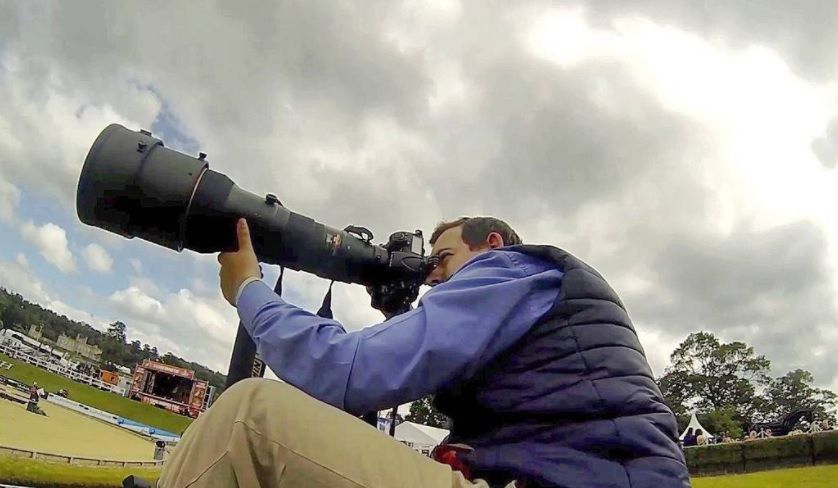
Now? A body half the price nibbles 90% of the same spec sheet and sometimes shoots the same picture. Meanwhile, I’m dragging around thirty grand of glass and bodies while a sixth-form kid with a $1k kit can deliver something dangerously close in a feed where no one zooms in past 1080 anyway.
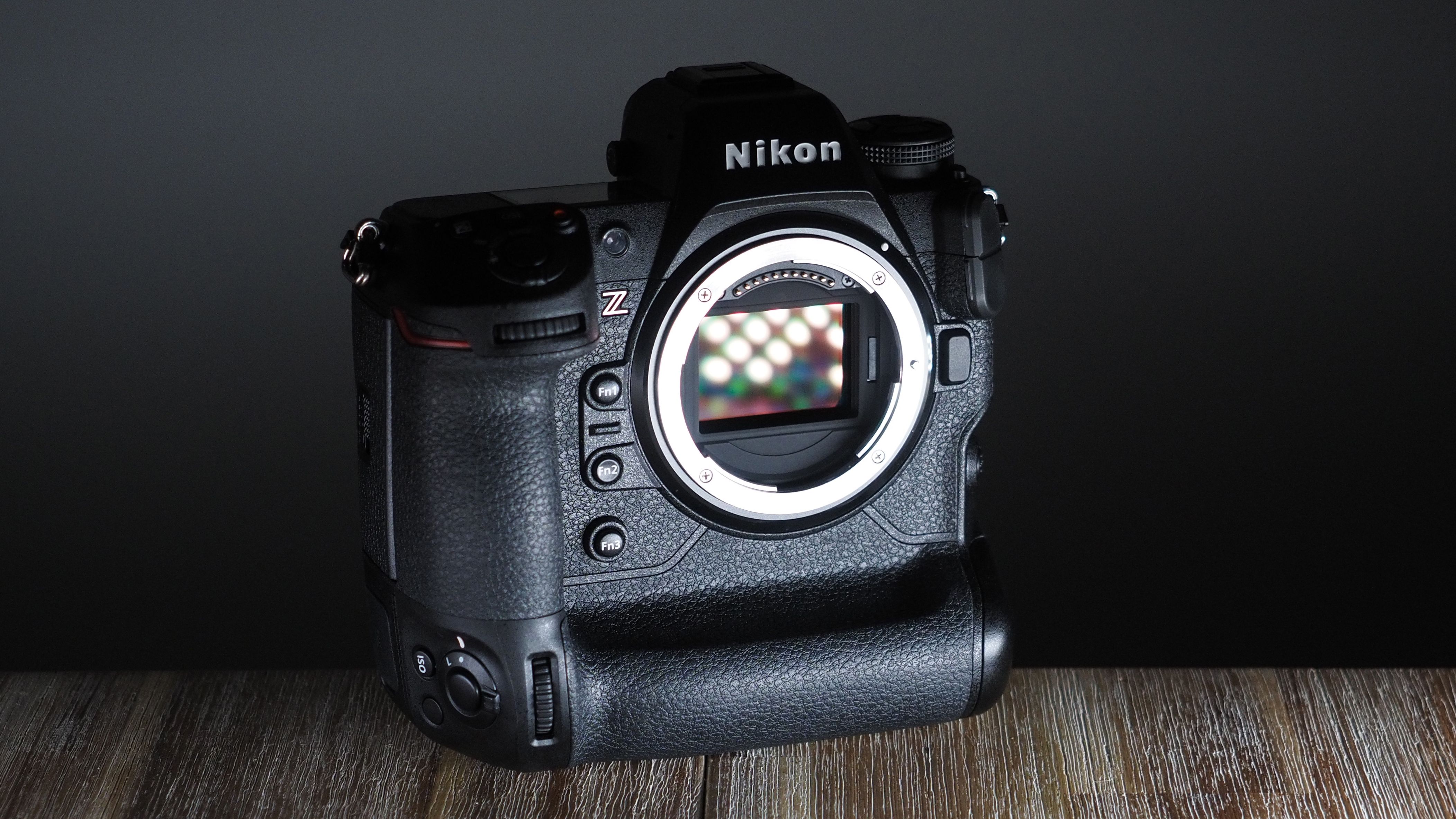
So what even is a pro camera anymore? If it’s just megapixels, frame rates, and video modes, then the answer is “nearly everything.” The spec race has eaten its tail. Innovation has become commoditisation; the miracle today is the menu option tomorrow, the firmware toggle next week. We’ve built an industry that destroys its own differentiators every quarter, and then wonders why buyers feel disoriented.
But here’s the heresy: the gaps that still matter aren’t sexy. Pros quietly pay for things you can’t brag about on YouTube thumbnails - thermals that don’t cook during a 45-minute 8K take, shutters and mounts that survive a winter of football touchlines, buffers that don’t choke when you hold the button for four seconds at 30fps, redundant slots that don’t throw a wedding into the sea, timecode and proper I/O that plays nicely with crews, service networks that loan you a body on Friday night because your A-cam just ate a puddle. Its reliability, durability, recoverability, and support. It’s not the spec - it’s the safety net.
Look at the “same features” again with a colder eye. 8K isn’t 8K if the rolling shutter smears a tennis ball, or the codec is so heavy your editor cries. 30fps isn’t 30fps if the AF wobbles on dark fabric at f/1.4, or the buffer empties like treacle through a straw. 60MP isn’t useful if your lenses don’t resolve, your handheld technique wobbles, or the workflow can’t ingest 2TB before breakfast. Spec parity obscures performance variance; the brochure never shows you the dropped frames, the bent HDMI, the Tuesday morning RMA.
There’s also the brutal economics. A “pro” camera isn’t just a camera; it’s an SLA with a brand. It’s CPS/NPS handing you a loaner at an event, 24-hour turnarounds, parts on hand, and a human on the phone who knows your serial number by heart. It’s third-party ecosystems, cages that actually fit, firmware that lands when it says it will, and a road map that doesn’t strand you with a dead mount. That’s not romance. That’s time saved, money recovered, jobs not lost.
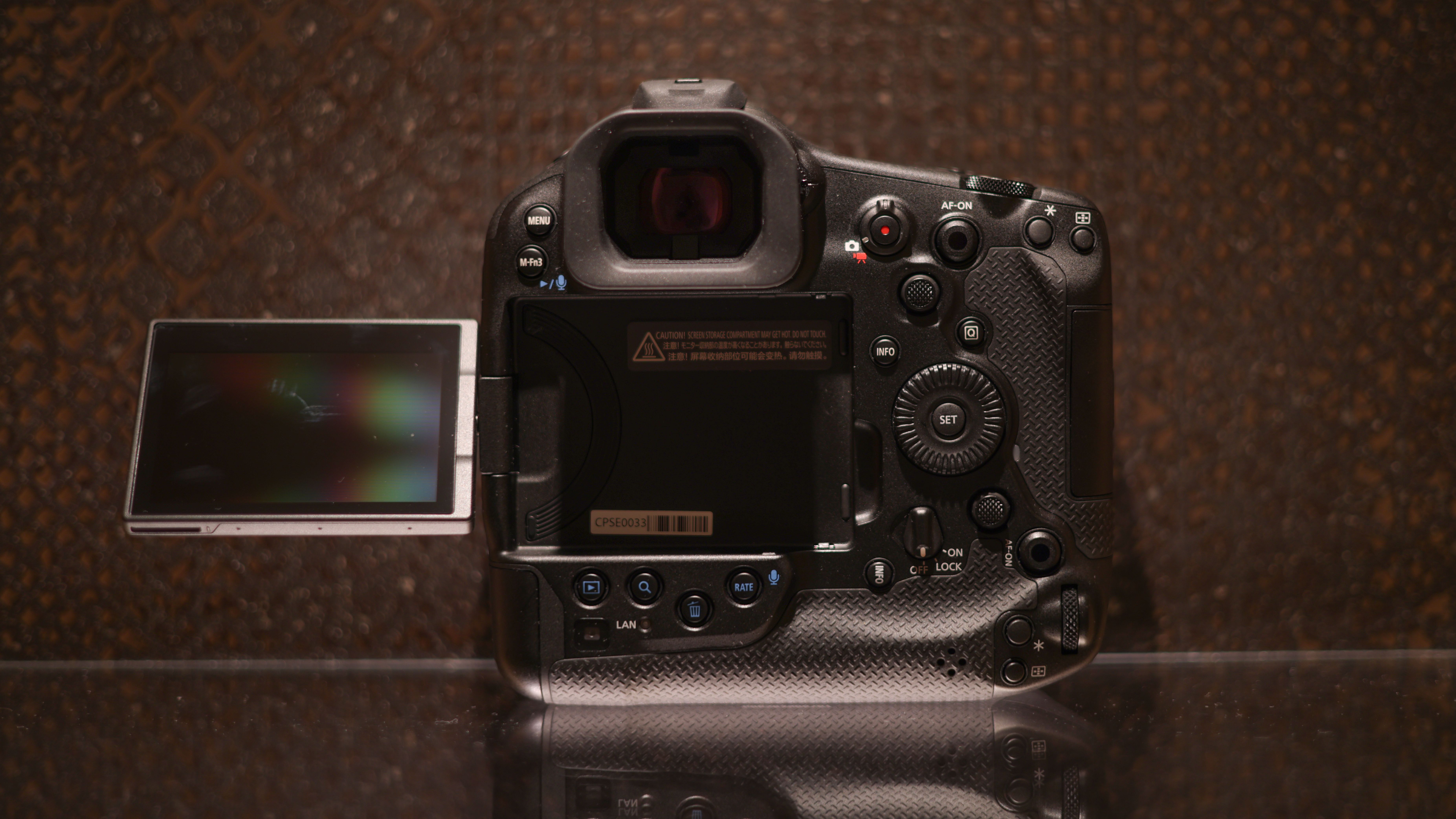
If the industry wants a future, it must stop shipping the same hero specs at five price points and pretending they’re actually different. Give us meaningful segmentation again: real thermal headroom, error logging, network resilience, smarter redundancy, open APIs that don’t require dark arts, and features that don’t arrive as a paywall. Stop treating professionals like influencers with heavier tripods. Respect the jobs-on-the-line use case, not just the launch-day unboxing.
So what is a pro camera in 2025? It’s the one that keeps earning when everything goes wrong. If you can drop it, soak it, overheat a hall with lights, shoot in the rain, sync five bodies, hand cards to three editors, and still deliver on deadline with a client breathing down your neck - that’s a pro camera. The rest is just marketing doing 30fps.