It’s hard to believe I’m in Poland. The powdery golden sand, sharp blue skies, waves softly lapping at the shore, and softly rising dunes are nothing like the drab, grey shoreline I anticipated when planning an off-season trip in central Europe.
I’m reminded of the beaches of the American northeast – the shores of the Outer Banks in South Carolina or even Long Island beaches in the Hamptons. I am, in fact, strolling along the Vistula Spit, a thin piece of land stretching out into the Baltic Sea in northern Poland, with the Vistula Lagoon on one side and Gdansk Bay on the other. Just a few hundred metres at its thinnest point, the Polish side of this sandbar ends abruptly around halfway along the spit, at which point the land runs into Russian territory.
Despite its location rubbing up against a hostile neighbour, this pretty stretch of shoreline is proving itself to be a tranquil little haven.
Krynica Morska, the largest town on the spit, had a slightly eerie air to it the previous evening when I’d arrived in town in the fading light of late March. Driving past the pier with its fairground rides half-covered in tarpaulin and weaving my way through streets of shuttered hotels, Krynica Morska felt ghostly, almost abandoned.
Read more: The Polish city with street art, film history and £2 pints
The next morning is a different story. At 7am, gulls swoop among the sand dunes through the early light, while roe deer roam among the pine forest that lines the beaches. Even out of the tourist season, there are a handful of people enjoying the shoreline, including a couple laughing as they play in the waves.
Krynica Morska – which sits in the Pomorskie region of northern Poland, that’s also home to the port cities of Gdansk, Gdynia and Sopot – comes to life in summer with families from across Poland (and the odd international visitor) taking advantage of the pretty seaside. In a few months, these sands where I’m standing will be filled with picnicking families, colourful windbreakers and friends playing music.
The town welcomes thousands of tourists a week during the summer season, swelling its year-round population of 1,300 significantly, but the vast majority of these are Polish visitors. Despite the popularity of Poland for city breaks, UK visitors haven’t yet discovered the charms of this seaside resort: compared to the hundreds of thousands of foreign visitors that spend a few days in Krakow or Gdansk every year, a fraction of this number will enjoy a break in Krynica Morska each summer.
Even compared to the low prices that Brits enjoy in Polish cities, a holiday on the Vistula Spit is cheap. In March (with temperatures dropping to 5C), the simple one-bed wooden chalet I rented in a holiday park near the beach barely set me back £60 a night, and even at the height of peak season (July-August) it’s still a very reasonable £221.
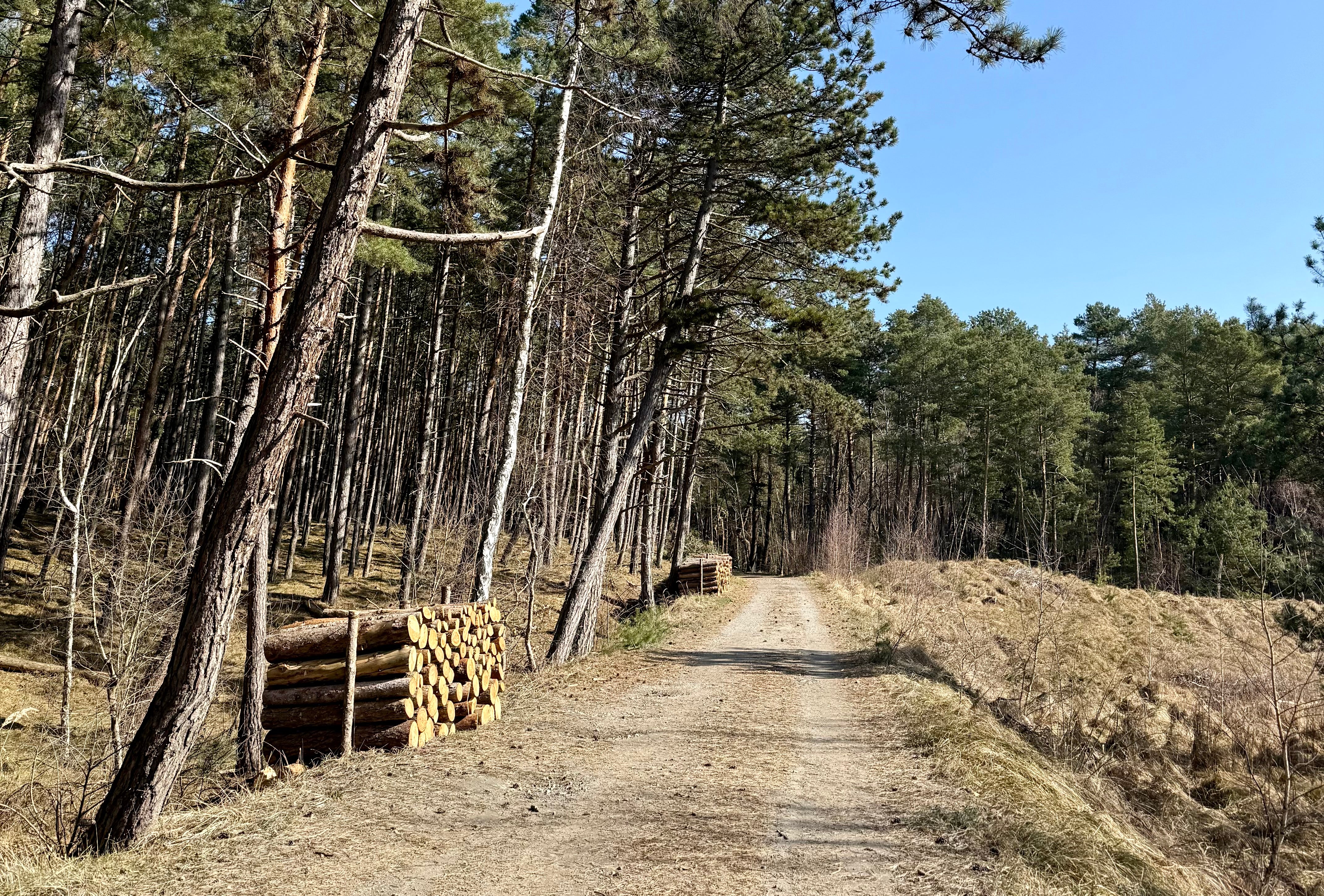
Some 10km to the east of Krynica Morska, passing through pretty woodland, you reach the smaller town of Piaski, nestled right up against the border of the Kaliningrad Oblast. This 15,100 square kilometre oblast (roughly the size of Yorkshire or half the size of Belgium), with a population of around one million, is a Russian exclave sandwiched between Poland to the south and Lithuania to the north and east. It’s completely cut off from the Russian mainland (you would need to pass through a EU member to reach it), but it is of significant strategic importance to Moscow as it is home to the Baltic fleet and provides Russia’s only year-round, ice-free access to the Baltic Sea; the oblast’s positioning means that in the past it has been described as a “dagger” pointing at the heart of Europe.
The looming spectre of Russia hangs heavy over Poland, a country that still bears painful memories of the USSR and shares a border with Ukraine, yet the fact that Piaski sits so close to Russia barely seems of note.
Read more: This underrated European capital excels in old-world glamour
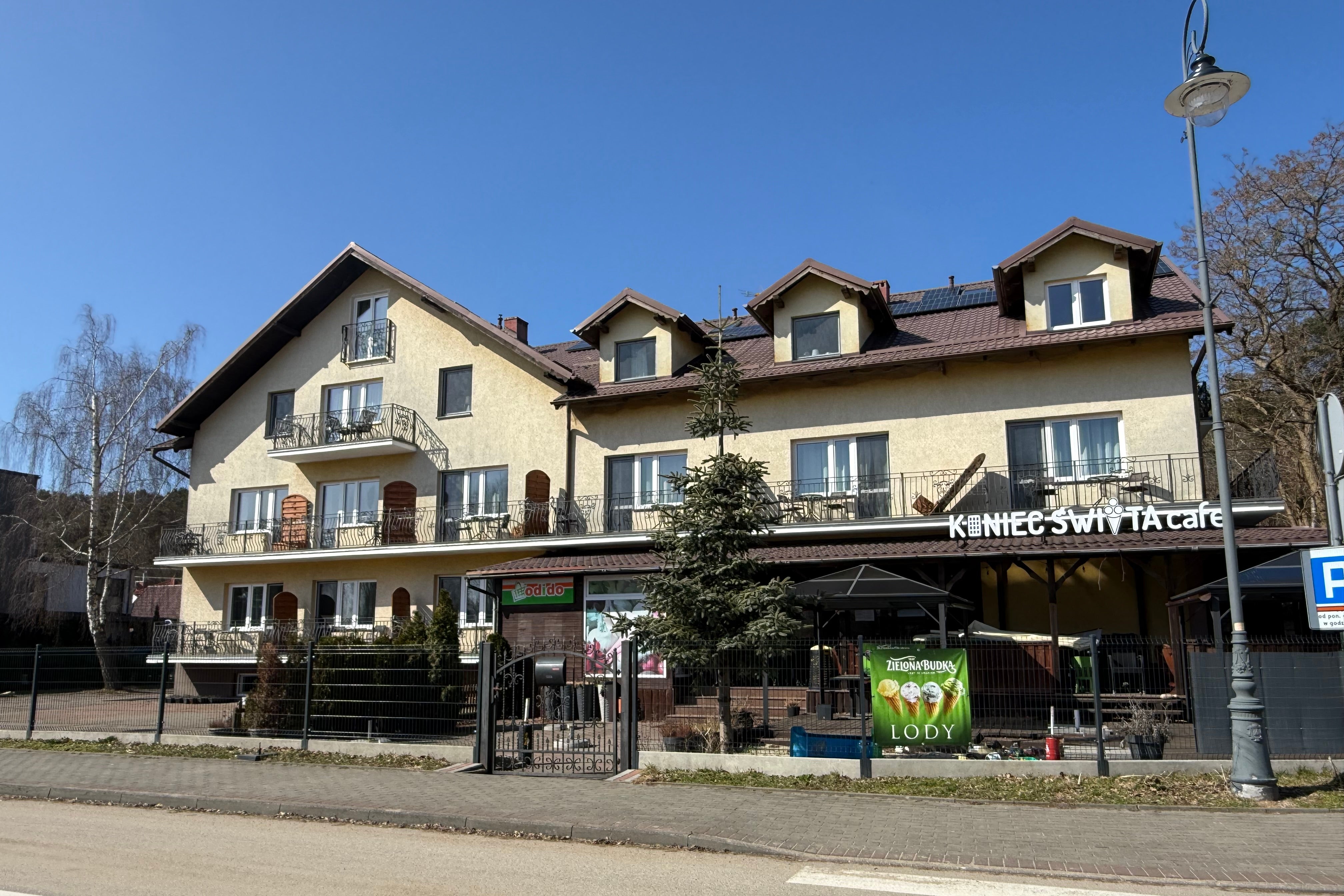
In contrast to the restaurants and fairground rides of Krynica Morska, here in Piaski, the focus is on nature. Fishing is popular in seas that are rich with flounder, herring and turbot, and the sandbar sits on several migratory routes, meaning there’s a diverse array of birdlife. In the village, there’s a cafe called Koniec Świata (“the end of the world” – a nod to its location) that’s closed until summer, a children’s playground, a few hotels and a couple of restaurants, also shuttered until the tourist season starts.
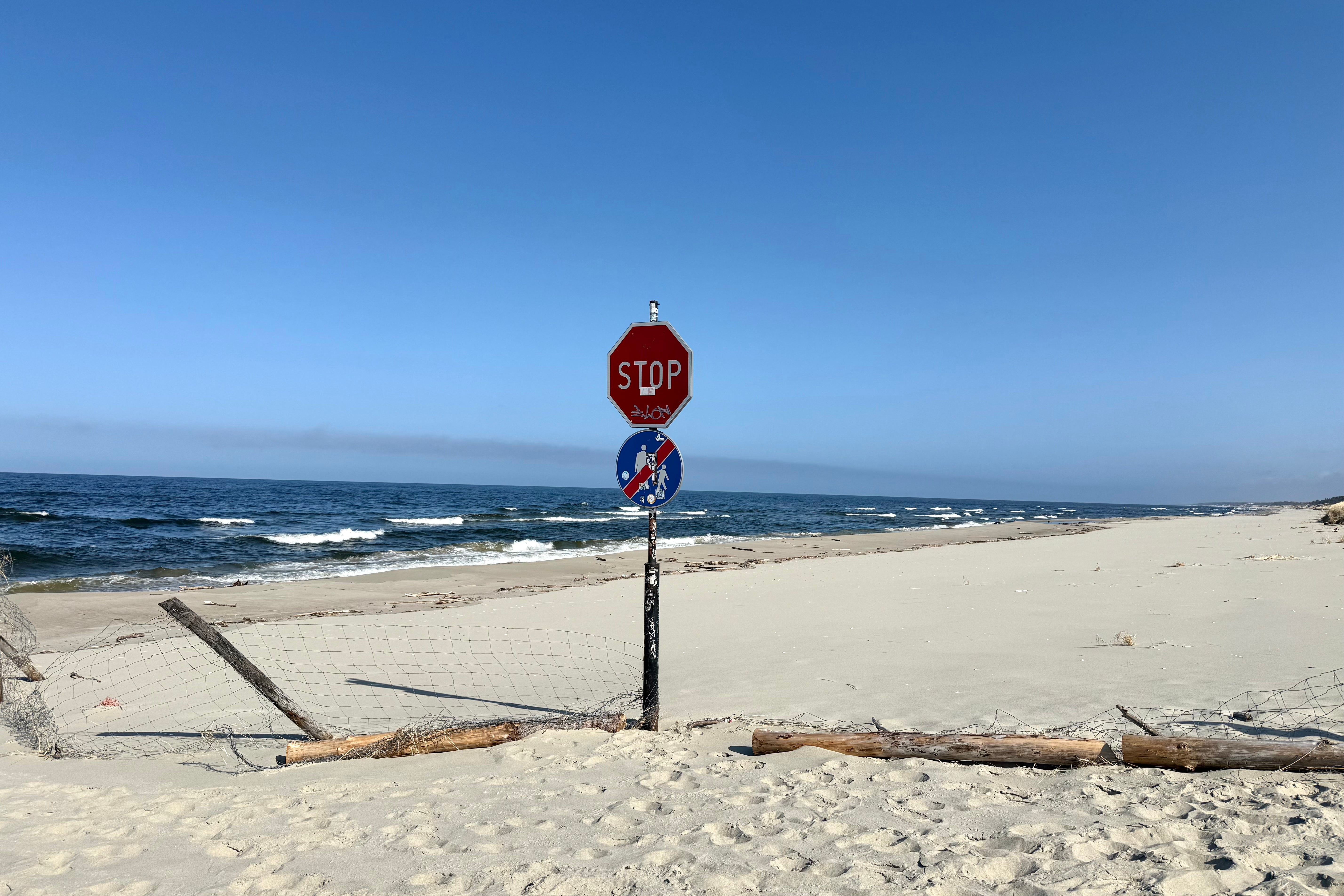
The most beautiful part of this beach is the stretch by the border. It’s reached by a peaceful walk from the town, around 5km through woodland with the white beaches to the north of the spit and marshland reaching to the lagoon in the south. The border itself is marked by some raggedy wire fencing that has been weathered down, and a couple of Stop signs, plus a rather weary sign that warns tourists they risk imprisonment of up to three years or a fine by stepping over the border.
The Polish side has scattered footprints in the sand; the Russian side has no sign of activity – just untouched white-gold sand stretching into the distance. Perhaps an unlikely spot for a European beach break, but with golden beaches, low prices and nature-filled trails, it might not be too long until the international crowds catch on.
This article was originally published in April 2026.