At the peak of last week’s widely advertised Polish strike, it was reported, there were 15 protesters in Parliament Square, including SWP supporters, along with 50 print and broadcast journalists. So if nothing else, this non-event was a valuable practical demonstration of what can be achieved, in terms of disproportionate coverage, when a handful of gifted organisers pick the right season to come up with something picturesque.
The original plan, as the BBC, among many others, had reported, was for at least 1,000 of the almost 700,000 Polish people living in Britain to lay down tools and gather in Trafalgar Square, wearing T-shirts saying: “Enough! Stop Blaming Us.” The aim being not, as with conventional strikes, to secure better pay and conditions, but as one participant, John Zylinski, put it : “To protest against the lack of appreciation.” A feeling then, that even if it has prompted few of us to strike, will be instantly understood by every parent, child and partner in the land. “We are also,” Zylinski added, “going on strike to protest against the rise of anti-Polish rhetoric in the media.”
Had things gone according to plan, countless cranes would have stood motionless and bathrooms fallen vacant, mid-grout. We would have glimpsed the awful meaning of a Polish worker-free future and started being more appreciative of their exemplary work ethic. In time, had Thursday worked out in the way endorsed in a poll orchestrated by Polish Express, a Polish language website, then 20 August might have ultimately become a national, annual variation on Mother’s Day: all Poles would stay in bed, while shamefaced shirkers of other nationalities, from Bulgarians and Czechs to indigenous layabouts, brought cards and flowers to show their gratitude.
From the outset, however, many other Poles disliked the divisive sound of a day of protest. Some will have anticipated that, however richly deserved, expressions of public sympathy for hurt Polish feelings would require only the tiniest of string sections. And along with some predictable nastiness along the so-why-don’t-you-go-home-if-you-don’t-like-it lines, and some pointed observations about Poland’s own approach to immigrants, there was, it turned out, distinct unease in response to any stress by this one section of the population on its special and superior contribution to British prosperity.
Do Poles, every single one of them, deserve particularly heightened appreciation, as appeared to be one argument, on account of ancestral sacrifices in the Second World War?
“It’s time we got the recognition we are due,” insisted Mr Zylinski, who should soon, since he is standing as an independent candidate for mayor of London, discover how far his message resonates with Londoners of non-Polish Second World War combatant stock.
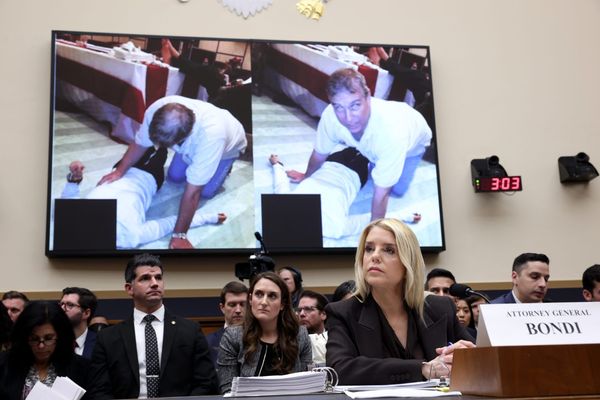
Happily, perhaps, for the future of this campaign, the exceptionalist argument was accompanied, courtesy of another group of Poles, by an arresting, unequivocally impressive mass gesture of citizenship. On the day the Polish version of secessio plebis unfolded feebly in Trafalgar Square, its demonstrators were outnumbered by those who (extending an existing campaign, Bloody Foreigners) gave blood in NHS centres, recording their actions on Twitter with photographs hashtagged #Polishblood.
If they look faintly creepy to the squeamish, these pictures of prone young Poles being drained of their lifeblood like Robin Hood – or Christ, if you prefer – drew so directly on the iconography of blood brotherhood and tragic blood sacrifice, religious as well as military, as to suggest matchless altruism, goodness and loyalty in this demographic. Moreover, the Poles’ symbolic gift had enormous value. NHS Blood and Transplant duly expressed its gratitude, having earlier this summer reported a “stark reduction” in the number of new donors.
Indeed, now that one sees the value of mass blood sacrifice as an instant prejudice-diffuser, or mollifying companion to strike action, it seems extraordinary that more protesters and striking workers have not considered similar exercises. Admittedly, when it comes to the truly despised occupations (from which I do not exclude my own), one can’t be certain that the sight of massed blood donation would not provoke public hilarity or fear, from those anxious about, say, gallons of extra Wonga or Barclays Wealth-donated plasma coursing through the national blood supply.
But is it too late, even now, for the RMT’s Mick Cash to learn from the Poles and urge his striking tube drivers to donate blood on this week’s strike days? Although, given the scale of public hostility, it might be worth asking fitter members to throw in an additional kidney with every pint.
True, as Tadeusz Stenzel, of the Federation of Poles said, there is a case for not using blood donation as a political statement. Apart from anything else, it is a gesture that is denied, by the NHS regulations, to the over-70s, anyone who has been through major illness or surgery and, critically in some professions, individuals who have, in the last 12 months, “had sex with a sex worker”.
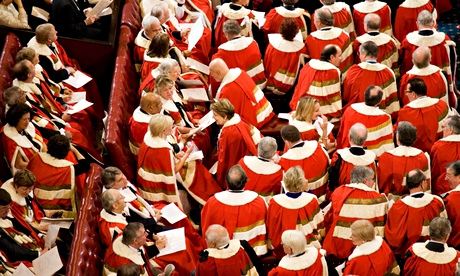
How many eligible candidates would be left, say, in the House of Lords, were its increasingly despised membership to attempt a Pole-inspired, #Peerageblood offensive? But even without a fluid component, there remains much to admire in the Polish attempt to adumbrate the paralysis if an unfairly resented or scapegoated sector of the population were to permanently withdraw its labour.
Has Foxtons, for instance, considered showing its critics how soon people would be sorry if its agents put down their novelty chunky markers and demonstrated in T-shirts saying: “Enough! Stop Blaming Us”? The same goes for Britain’s underappreciated police commissioners and mayors; its perpetually maligned BBC managers, chuggers and MEPs; its remuneration committees; and, again, given the ever lower esteem in which their workplace is held, membership of the House of Lords.
Following publication of a deeply unappreciative new report by the Electoral Reform Society, which noted the £360,000 expenses claimed in five years by never-voting peers, Viscount Astor, a hereditary who has earned some prominence as a relation of the prime minister, has also argued the case for Lords reform (once he’s worked there for another 12 years).
In the absence of Lord Sewel, at one time an indefatigable champion of the house’s work, it must be time for defenders of the place, such as Baroness Flather, to order “Enough! Stop Blaming Us” T-shirts and, like defiant Poles and the equally enterprising Chilcot inquiry, use a strike to force Britain to recognise the contribution of its 789 (though soon to be more) members.
However reluctantly, they should down scones, stop scrutinising (once they’ve come back from holidays) and refuse to work for a day – or, maybe, adjusting this form of protest to a traditional body where over half are aged 70 or more, a year. Then we’d understand the damage if, God forbid, its membership were to emigrate permanently to Poland.