It's not about what size you wear. It's about how you wear your size. Somewhere around the year 2000, department stores and some of the comprehended fast fashion brands commenced a line of plus-size ready-to-wear and lingeries with equal love and respect for the silhouettes and style. Rapidly market switched on to get fueled with additional sales and revenue through their plus-size adventure. On the path of versatility and diversity, it has taken nearly two decades for this giant to get bigger n stronger along with a wave of plus-size purchasing to strengthen. Increased sales of female apparel have been spurred by a larger selection of fast fashion brands.
A plus-size battlefield
In the year 2000, controversy surrounded the most celebrated brand Victoria’s Secret for its lack of body diversity in the shows. It was a question major brands were scuffling with at that time. Ed Razek, chief marketing officer of L Brands (Victoria’s Secret parent company) delivered an interview to Vogue ahead of the taping of the event in which he proudly affirmed they’d never cast “transsexual” or plus-size women. Later he apologized for his assertion on the former but had to address his statement on the latter. The fashion industry was evolving and they had to rise above their stereotypes. There was an immense amount of power in multiplicity towards their projection. Season after season, a superfluity of women and femmes with an array of body types have been gracing fashion week shows with their presence, showcasing they are equally attractive, captivating and worthy of being there as their svelte counterparts. In the modern age, there are an increasing number of people who no longer subscribe to that reductive description of feminity that prizes flimsy bodies over bigger curves- a more pragmatic reflection of the world we live in. But it has been a long journey to get buyers to adopt body positivity. To reach Savage X Fenti and Chromat’s show success, brands have been real hustlers to make a significant difference on whether millennials and Gen-Z would buy from their big-size adventures. There is a vast difference in the mindset of young and old consumers about what they wish to see themselves and be part of. the valid variousness of humankind reflected in the sales and empowerment of versatile sizes in recent times post-pandemic to be precise. The fashion industry has been on the rebound and fashion weeks around the world have plus-size models as mandatory for their collections.
A plus-size Embrace
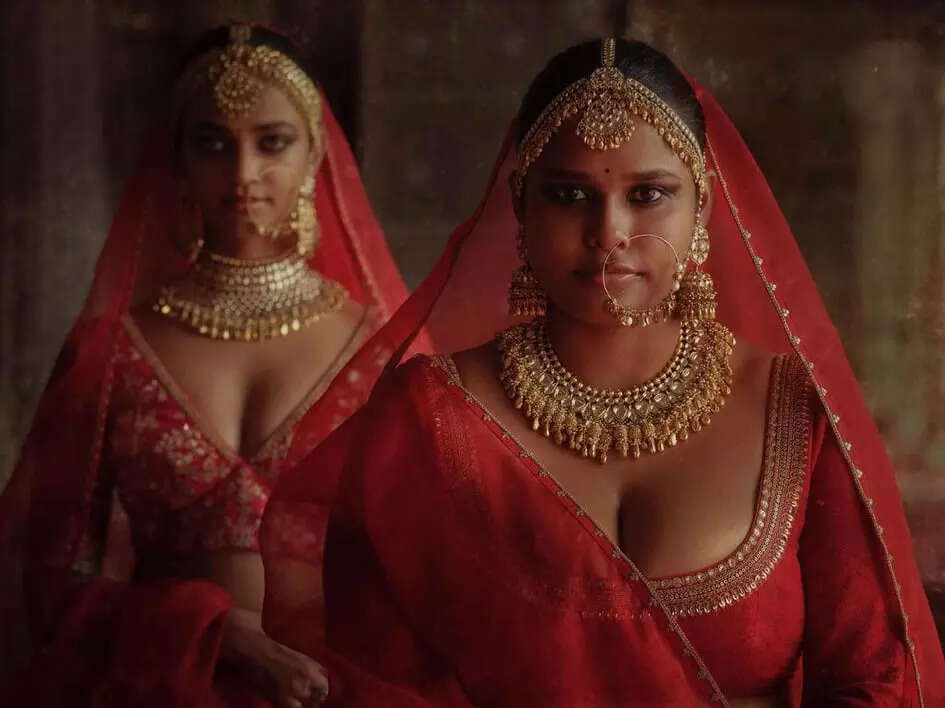
For the longest time, Ashley Graham’s name was the only one that would pop up when we search for plus-size models but diversity has been the mainstream focus of the fashion world and more and more girls are becoming household names. Models like Tess Holliday, Candice Huffine, Tara Lynn, Robyn Lawley, and Kate Wasley have millions of fans on social media and they grabbing runways, the red carpet, big shows on Otts even the covers of the most popular magazines. From fast fashion brands such as H&M to Zara and British fast fashion brand like House of CB also holds similar silhouettes and seduction for plus size clothing. It's indeed time to learn the curves back and celebrate the power of plus; inside fashion’s size-inclusivity revolution. This year Indian fashion week series graced plus size to celebrate beauty beyond size with mandatory plus-size models in most of their shows. Even bloggers and models such as Neha parulkar, Sakshi sindwani, Varshita Tharavarthi, and Aashna Bhagwani are known and very well-celebrated faces in Indian fashion forward.