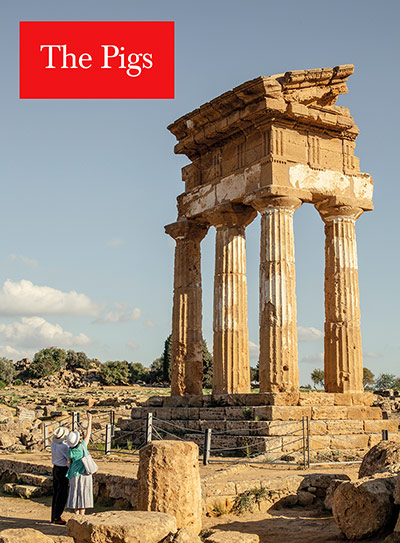
The Pigs: the Economist pastiche that's taking on the press – in pictures
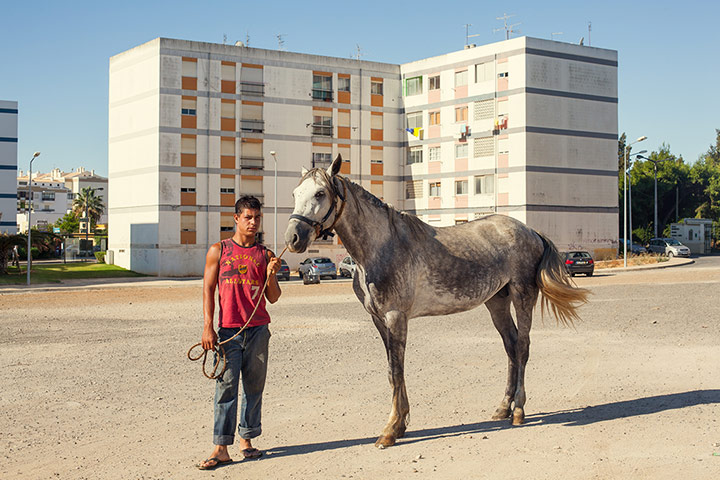
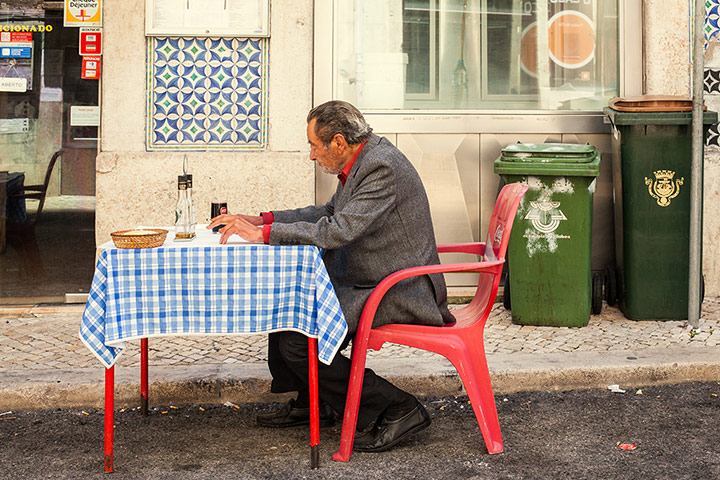
The Pigs cover, Sicily, Italy Photograph: Carlos SpottornoPortimão, Portugal, 16 August 2011: a young Gypsy holds his horse after cleaning it. It's always striking to see working horses in urban context. It's like different development ages co-existing in time. When I see this image, I can't help thinking about this painting by Picasso. In fact, some icons live long lives, and therefore co-exist with their own futurePhotograph: Carlos SpottornoLisbon, Portugal, 17 July 2011: a man waits for his lunch in a central little restaurant, not very far from the garbage containers. In societies where the family acts as the basic social structure, able to absorb economic impacts and offer a safety net for those without any resources, people who don't have a family fall often into depression, and are at risk of social exclusion. Being a lonely person in the southern European countries is always a very bad signPhotograph: Carlos Spottorno
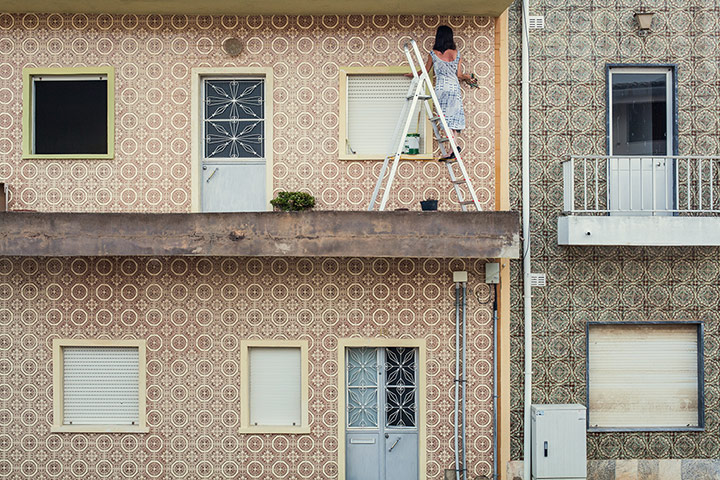
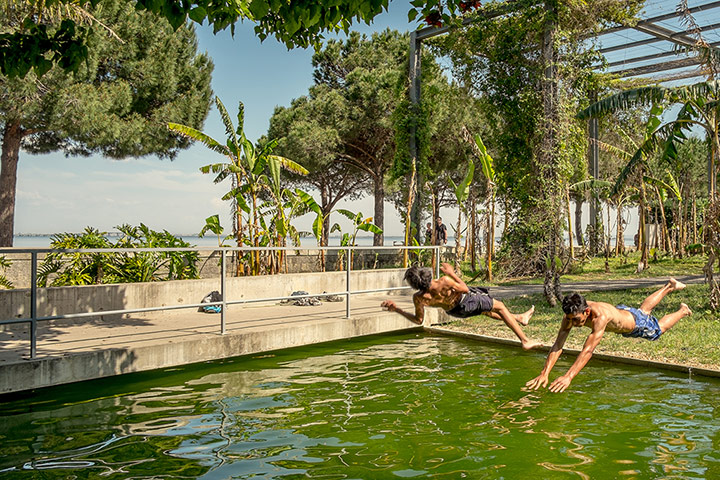
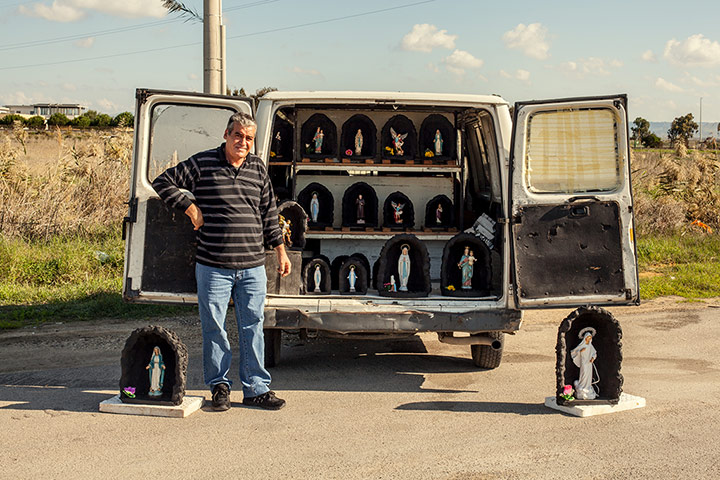
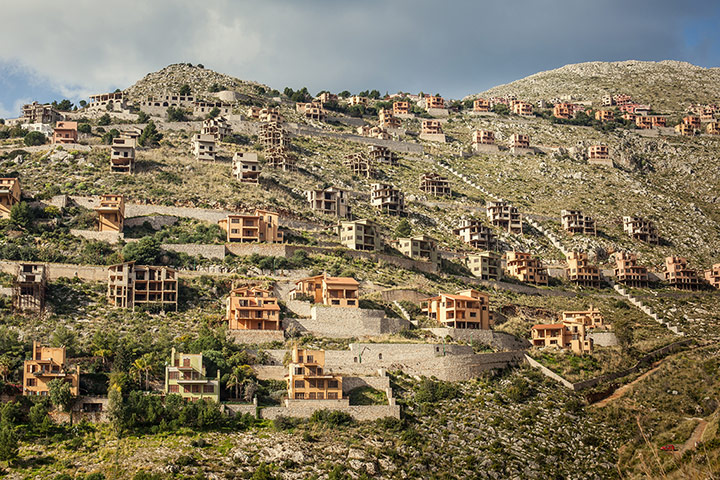
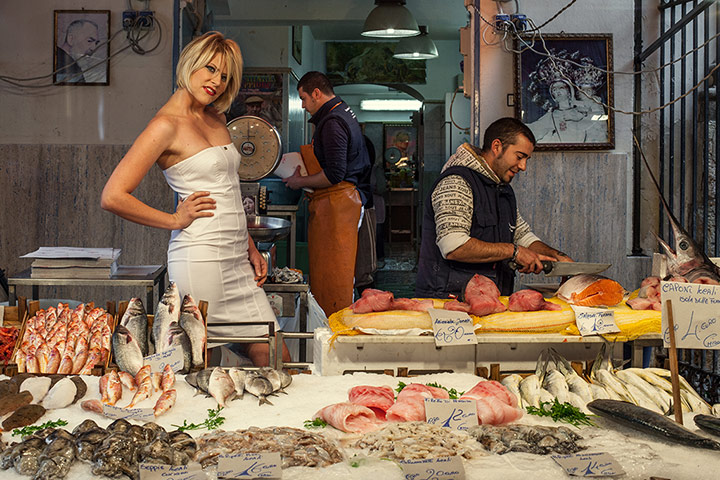
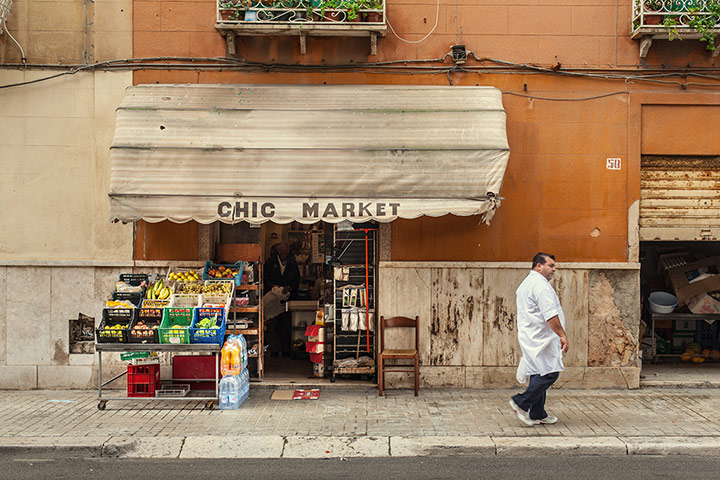
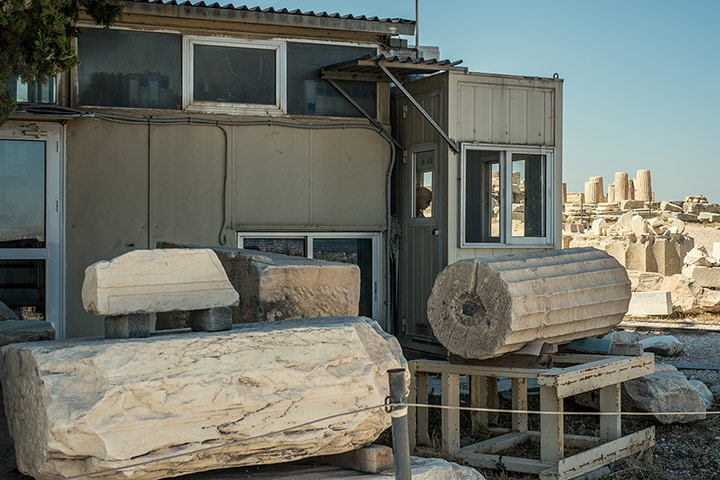
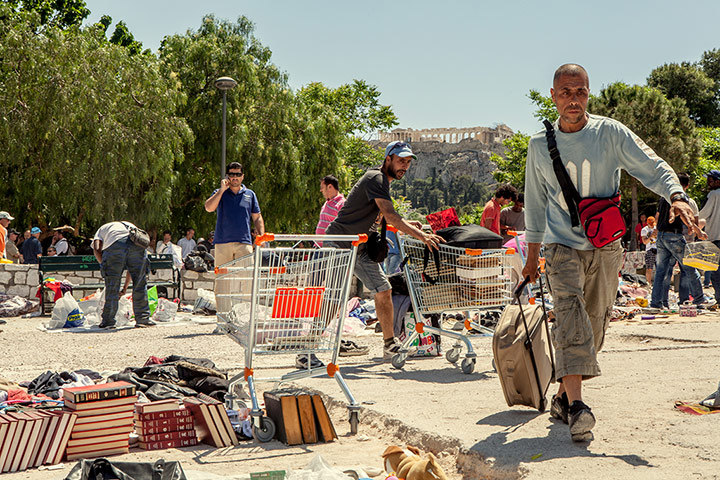
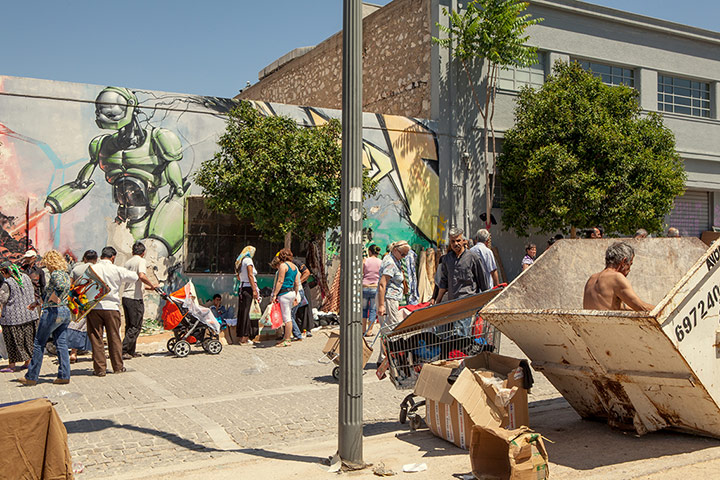
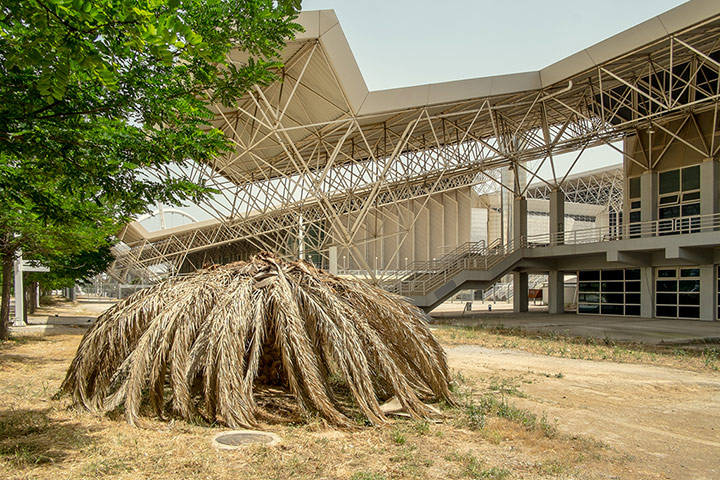
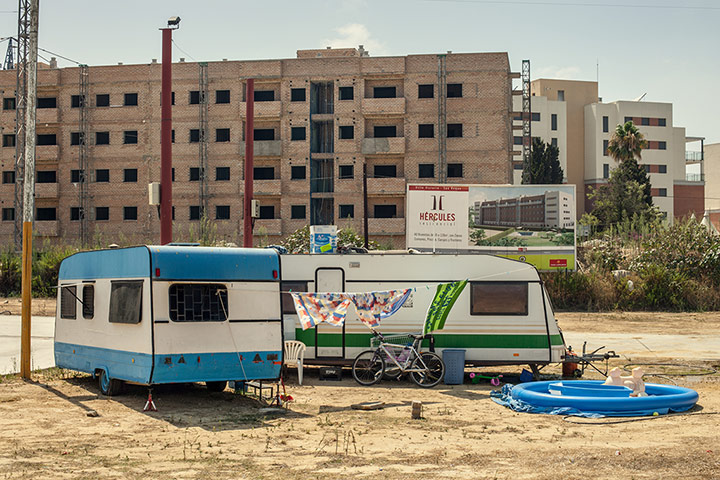
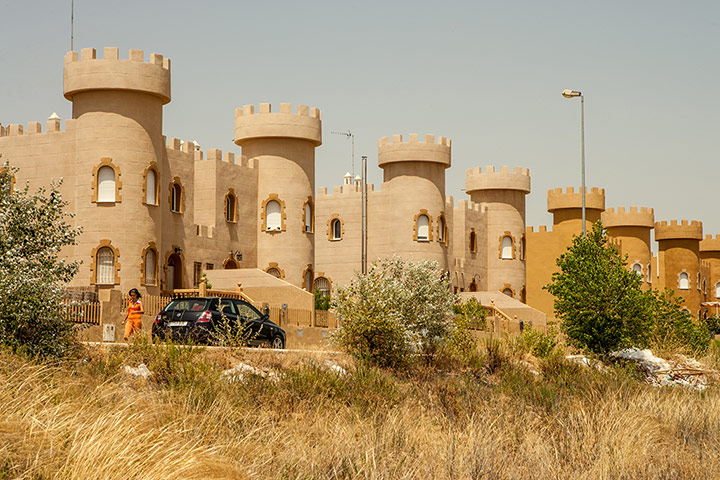
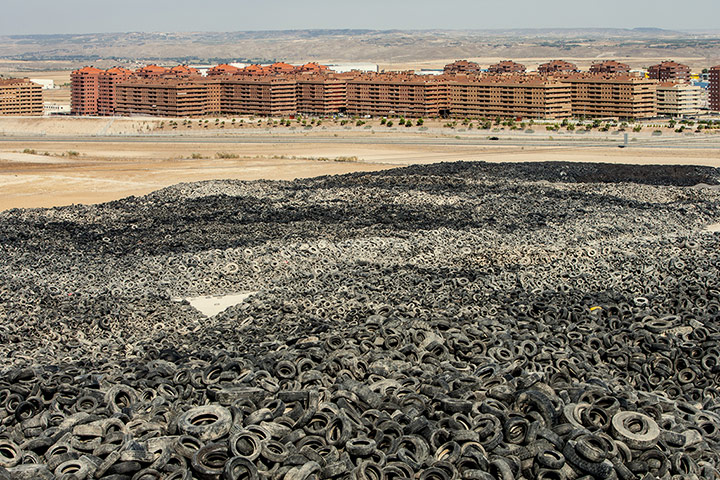
Cachopo, Algarve, Portugal, 12 August 2011: a woman cleans the front of her home, standing on a stair in a balcony with no railing, nor any security measure. It doesn't matter how poor a house may be; a southern European traditional woman will never let it look dirty. She will risk her life if that is necessary to get every inch of her house polished and shinyPhotograph: Carlos SpottornoLisbon, Portugal, 13 May 2013: Expo '98 was an official specialised World's Fair held in Lisbon. The theme of the fair was 'The Oceans, a Heritage for the Future,' chosen in part to commemorate 500 years of Portuguese discoveries. The Expo received around 11 million visitors, while 155 countries and organisations were represented. It was a total success, and the facilities built for the event are still in use today. For example, these two boys enjoying a stagnant water pool in a hot spring dayPhotograph: Carlos SpottornoGela, Italy, 23 October 2010: Saro Spataro is a Sicily-born Argentinian. He has been unemployed for years. He was hit by the Argentinian economic crisis in 2001, so he moved to Spain. He lost everything in 2007 again, so he moved to Sicily to see if his parents could help. He sells "madonnine" at the side of the road. He makes them with clay and black concrete, and states that he has invented this particular design that has been copied many timesPhotograph: Carlos SpottornoMondello, Sicily, Italy, 21 January 2011: abandoned buildings at Pizzo Sella. The buildings have been embargoed by the local Court for almost two decades, after a dispute between ambientalists [environmentalists] and a local promoter. The story of the houses in Pizzo Sella begins in 1978, when the Sicilcalce spa – a company close to the then boss of Cosa Nostra, Michele Greco – got 314 building permits. Someone gave the permits and got paid for them. A few took the money, while all the rest live with the skeletons on the hillPhotograph: Carlos SpottornoPalermo, Italy, 27 October 2013: an advertising photo shooting in the Vucciria Street market. A blonde, sexy woman is a timeless cliche that seems to work in every possible situation. At first I didn't notice it was a set-up situation. It caught my attention, but it didn't seem impossible to be true. I never knew what the shooting was forPhotograph: Carlos SpottornoTrapani, Italy, 7 October 2010: a tiny, multi-purpose shop called very optimistically Chic Market. I can't think of a better example of how southern European countries have this positive overblown self-perception – or is it irony? A healthy self-esteem is always welcome, but sometimes a distorted view of one's reality can result in self-indulgencePhotograph: Carlos SpottornoAthens, Greece, 8 May 2013: 'Hey, boss, where shall I put this 3,000-year-old piece of column?' – 'Uh? I don't know, just put it there, behind the office, with the other ones.' Hundreds of massive columns and other parts of the archaeological ruins at the Acropolis are piled here and there, around the restorer's provisional offices. The weight of history is just too heavy for the southern European countriesPhotograph: Carlos SpottornoAthens, Greece, 6 May 2013: a flea market in the surroundings of the Acropolis. The sense of urgency with which the two men proceed looks to me like they were running for their lives, taking with them their most precious belongings. I know they're just selling stuff, but I do see a metaphor herePhotograph: Carlos SpottornoAthens, Greece, 6 May 2012: people walking at the flea market. Inside a garbage container, a homeless man looks for any useful thing to take. After years of deep economic crisis, enduring hard austerity measures, and with no clear future in the horizon, Greece has become a poor country. On the left part of the image, a violent robot graffiti makes me think of how this crisis may be somehow the consequence of a hyper-technological lifePhotograph: Carlos SpottornoAthens, Greece, 20 May 2013: a dead palm tree at the abandoned Olympic facilities built for the 2004 Games. No one planned what to do with venues made for sports with little local interest. The Olympic Games and Expos are the perfect habitat for speculators, and multi-billion star architects. Politicians make their profit both in money and popularity. When the party's over it's nobody's fault, as usual. Anyway, it was nobody's moneyPhotograph: Carlos SpottornoAlgeciras, Spain, 17 August 2009: in 2013 there are 3.4m empty homes in Spain, but it seems that they are still too expensive for everyone to buy one. According to the Economist, in 2013 the average Spanish house price has lost around 27% since 2007, and it is expected to lose 16% more. Maybe there will be a day when everyone will have a chalet with a swimming pool in the gardenPhotograph: Carlos SpottornoGranada, Spain, 3 August 2007: a girl walks by a medieval castle-like semi-detached row built on the outskirts of Granada. During the construction boom lots of bizarre buildings mushroomed, as a result of the lack of urbanistic criteria, propelled by the local authorities' ignorance, cheap credit and some developer's childhood traumasPhotograph: Carlos SpottornoSesena, Spain, 29 July 2009: Residencial Francisco Hernando was built during the first years of the 2000s. It is one of the clearer examples of wild, speculative urbanisation that took place during the last decade in south European countries, and especially in Spain. This residential compound is now partially empty. Many low-middle class families bought one or two apartments for speculating, and got caught by the bubble burst. Besides this, the area is not really ready for a normal life. It lacks schools, shopping areas, hospital, and it was built very close to a used tyre dump, with no environmental or security measures at allPhotograph: Carlos Spottorno
Sign up to read this article
Read news from 100's of titles, curated specifically for you.