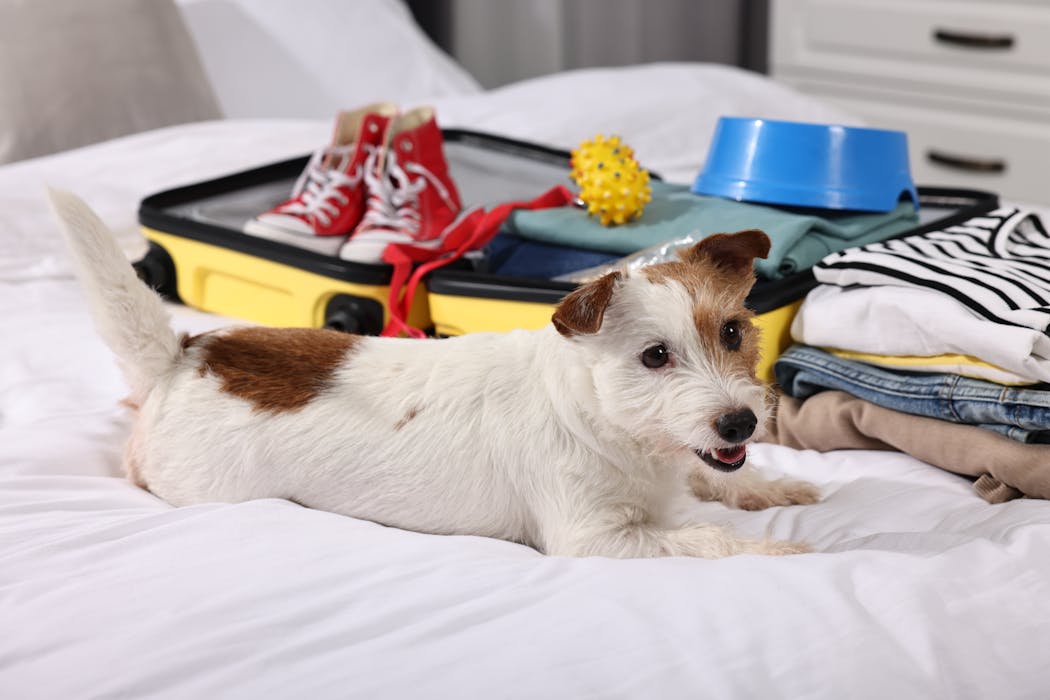
Luxury pet pampering packages at hotels, menus with dog-friendly roast dinners and £6,000 animal-friendly charter flights. Pet travel isn’t just a trend, it’s something of a transformation. This is the “pawprint economy” – and it’s booming.
Globally, the pet industry is projected to reach US$500 billion (£375 billion) by 2030, with pet travel services alone expected to be valued at US$5.9 billion by 2034. In the UK, where 60% of households have pets – including roughly 13.5 million dogs – that’s a substantial market.
People travel with their pets for leisure, business, relocation and specialist care. And while some people even travel with horses, cats, birds or other small animals, it’s dogs that dominate the leisure travel surge. For people who enjoy travelling with their pets, the benefits are real for both parties: strengthened bonds, shared experiences and opportunities to build skills and confidence.
But there’s a growing gap between what the industry is offering and what people and pets need. As this market explodes, it’s a good time to ask whether the travel industry is genuinely adapting or just coming up with superficial offerings.
While humans and dogs have travelled together for millennia, today’s growth reflects something distinctly modern: pets are now family members. With 40% of people viewing their dog as their child and nearly half calling them their best friend, dogs occupy a central place in millions of UK homes.
During COVID restrictions, pet acquisition surged globally. Today nearly half of “pet parents” are first timers. The years since COVID emerged have seen an acceleration in the inclusion of pets in leisure life, from dog-friendly cafes to outdoor festivals, paddleboarding and holidays.
Even cost-of-living pressures haven’t dampened this enthusiasm. While 34% of people who have pets have altered their pet-related behaviour due to financial pressures (changing to a cheaper brand of pet food, for example), pet travel continues to grow. UK pet families take an average of two domestic holidays every year with their animals.
Here’s where the disconnect emerges. While providers advertise “pawsecco” and pet spas, research has shown that people prioritise practical care over “extras”.
Studies identify six key attributes that people are looking for: service design (pet-friendly room placement, shared dining), activity support (walking guides, bins), safety, pet-savvy staff, transparent policies with fair fees, and lastly, amenities. This is a low priority for travellers with pets, but often what providers focus on. Crucially, green spaces drive pet travel planning, boosting wellbeing for both human and animal. After all, this is the fundamental reason why people choose to travel with pets.
Love me, love my pet
Yet many people with pets say they don’t believe any accommodation is truly pet friendly, signalling a trust gap. Many properties advertise as “pet friendly” but impose restrictions, surprise fees or go no further than simply allowing pets to stay.
Part of the problem seems to be one-size-fits-all thinking. Research identifies three distinct segments of people travelling with dogs. There are those seeking basic, convenience-focused accommodation. Premium experience seekers are willing to pay for luxury. And activity-loving travellers prioritise outdoor adventures. A chihuahua on a city break has different needs to a labrador on a hiking trip, yet many providers offer generic packages that delight no one.
The evidence from both researchers and industry is clear: people will pay more to travel with their pets. For tourism providers, the opportunities are significant. For example, hotel pet fees in the UK can range from £15-40 daily or £20-75 per stay. Being viewed as pet friendly can drive repeat visits and brand loyalty for travel-related providers and dining outlets.
But there’s one area where UK travellers seem to be less enthusiastic. When it comes to overseas travel, 54% are “very unlikely” to go abroad with their pet (compared to 37% globally). Only 7% actually have plans to do so. This hesitancy is probably driven by complicated, costly regulations and rules.
Eurostar bans pets on its trains and UK aviation regulations effectively prohibit pets in the cabin on inbound flights, with few airlines offering cabin options outbound. Most pets must fly as cargo in the hold, which often causes worry for their humans.
Brexit also ended the UK’s access to the EU pet passport system, requiring expensive animal health certificates for each trip. A 2025 UK-EU agreement will eventually see the reinstatement of pet passports, however.

The UK dog travel market is heavily skewed towards domestic holidays, with travellers largely preferring coastal retreats and rural escapes, prioritising walks and eating out. This presents clear opportunities for domestic providers to capture demand, and for travellers to choose more environmentally friendly, sustainable destinations closer to home.
The travel industry in the UK and beyond faces a choice: continue offering superficial “pet-friendly” experiences or genuinely adapt and ease the stress for travellers and their pets.
The evidence shows that pet-centric facilities, support with activities, and attentive service outweigh add-ons. Delivering this means providing transparent online information so travellers can assess facilities and policies confidently, designing spaces that genuinely welcome pets, and training staff to deliver a knowledgeable service.
The appetite for pet travel is overwhelming and the pawprint economy represents a huge business opportunity, if accommodation, travel and leisure providers are willing to prioritise genuine pet friendliness. After all, if the hospitality industry makes pets and their people happy, they will come back for more – with smiles and tails wagging.

Lori Hoy does not work for, consult, own shares in or receive funding from any company or organisation that would benefit from this article, and has disclosed no relevant affiliations beyond their academic appointment.
This article was originally published on The Conversation. Read the original article.