
At this point, it can feel like we already know almost everything there is to know about the human body. After all, doctors and scientists have spent centuries studying it. But the truth is, new discoveries are being made all the time, and there’s always something surprising left to learn about ourselves.
If you’re in the mood to pick up a few interesting facts today, these posts from Explaining Medicals on Instagram are a great place to start. That said, none of this is a substitute for professional advice, so always consult a doctor when it comes to any health concerns. Happy reading!
#1
Scotland became the first country to make period products free nationwide through the Period Products Act. This policy ensures access in schools, public buildings, and communities, directly addressing period poverty. It is considered a landmark public health move that reduces inequality and supports dignity for people who menstruate across all socioeconomic backgrounds.

© Photo: explaining.medicals
#2
Some people experience sudden chills, goosebumps, or a wave of emotion when listening to powerful music. Scientists refer to this phenomenon as Frisson, a brief emotional and physiological response triggered by certain sounds, melodies, or musical moments. Research suggests that about 50–60% of people experience frisson. It occurs when the brain processes sound and emotion with heightened intensity, particularly in regions linked to reward and emotional processing. During these moments, the brain releases Dopamine, the same chemical associated with pleasure and motivation. Small musical changes—such as a sudden shift in rhythm, a powerful vocal note, or a dramatic buildup—can trigger this reaction. The brain strongly connects the emotional meaning of the music with auditory signals, creating a powerful sensory experience. In short, when music gives you chills, it isn’t just about the song itself—it’s about how your brain uniquely responds to sound and emotion.

© Photo: explaining.medicals
#3
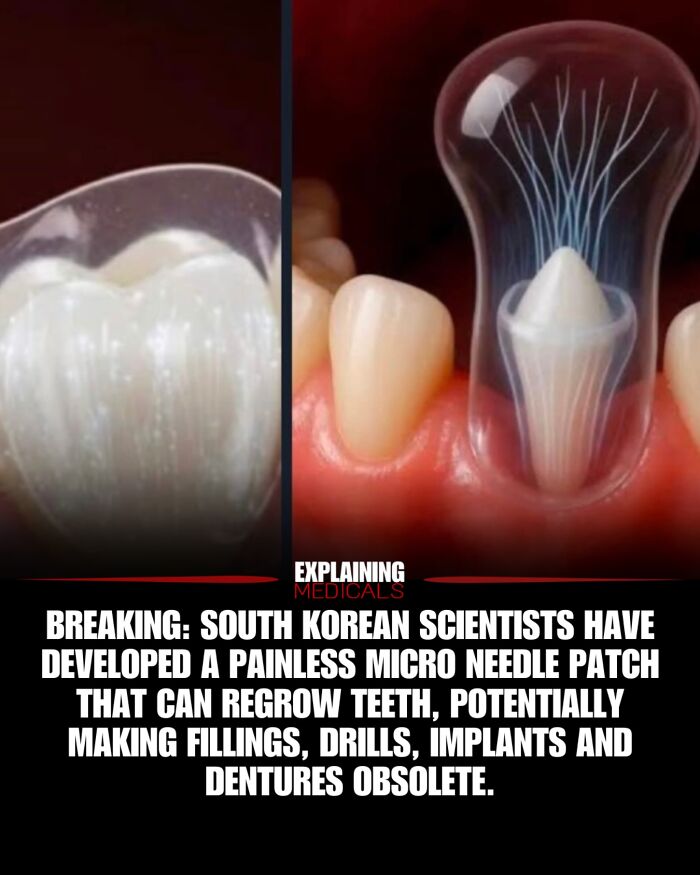
This is one of those headlines that sounds like sci fi… but it is rooted in real cutting edge science. Researchers in South Korea are working on a micro needle patch designed to stimulate natural tooth regrowth by activating dormant biological pathways inside your gums. Instead of drilling, filling, or replacing teeth, this patch uses ultra tiny needles to deliver regenerative compounds directly into the tissue. The goal is to trigger the same mechanisms your body used to grow teeth in the first place, essentially “waking up” tooth forming cells that have been inactive since childhood. Right now, most dental treatments rely on artificial fixes like fillings, crowns, or implants. This technology flips the entire game by aiming for true regeneration, meaning your body rebuilds the tooth naturally rather than replacing it with synthetic material. If fully developed and approved, this could disrupt the entire dental industry. Think about it… no more drills, no more painful procedures, no more permanent implants. Just a quick patch that restores what you lost. But let’s keep it real… this is still in the research and testing phase. Human trials, long term safety, and real world effectiveness all need to be proven before this becomes something your dentist offers. Still… if this works at scale, it could be one of the biggest medical breakthroughs in dentistry in decades.
© Photo: explaining.medicals
#4
In an extremely rare situation, doctors have reported cases where a woman becomes pregnant while already pregnant. This unusual phenomenon is known as Superfetation. It occurs when a second egg is released, fertilized, and implanted in the Uterus during an ongoing pregnancy. Under normal circumstances, once pregnancy begins the body releases hormones that stop ovulation and prevent another fertilized egg from implanting. However, in rare cases this biological process does not fully block a second conception, allowing another embryo to develop alongside the first. Because the embryos may begin developing at different times, they can have slightly different gestational ages while sharing the same pregnancy. Although extremely uncommon in humans, cases like these continue to intrigue doctors and researchers studying Human Reproductive Biology. Events like this highlight how complex and sometimes unpredictable the human body can be, reminding scientists that even well-understood biological systems can still produce rare and surprising outcomes.

© Photo: explaining.medicals
#5
At just 19 years old, a teenager in Russia reportedly suffered severe lung failure linked to vaping — a shocking reminder of how dangerous inhaled chemicals can be to the human respiratory system. Unlike normal air, vape aerosols contain ultrafine particles, heavy metals, nicotine, and toxic compounds capable of penetrating deep into the lungs. In severe cases, these substances can trigger intense inflammation, destroy delicate air sacs, and drastically reduce the lungs’ ability to deliver oxygen throughout the body. Medical experts continue to warn that vaping is far from harmless. Studies have connected excessive vaping with chemical lung injury, chronic inflammation, collapsed lungs, and EVALI — a serious vaping-related lung condition that has hospitalized thousands worldwide. Young lungs are especially vulnerable because the respiratory system is still developing during adolescence and early adulthood. The lungs contain millions of microscopic alveoli working every second to keep us alive. Once these fragile structures become damaged, recovery may be slow, difficult, or even impossible. "One habit. One inhale. A lifetime of consequences."

© Photo: explaining.medicals
#6
Cameron Underwood was given a rare second chance at life after undergoing an extraordinary face transplant, considered one of the most advanced in medical history. Traumatic injuries had severely impacted his quality of life, making everyday tasks like eating, speaking, and smiling a struggle. Surgeons at NYU Langone performed a miraculous reconstruction of his face, utilizing donor tissue to replace his jaw, teeth, lips, nose, and parts of his cheeks and eyelids. This pioneering surgery transformed not only his appearance but also restored the essential functions he had lost. Today, Cameron's story serves as a powerful reminder of medical progress and human resilience. The transplant has empowered him to regain his confidence and independence, and his journey is an inspiration to all.

© Photo: explaining.medicals
#7
A normal adult human mouth typically contains 32 permanent teeth, including incisors, canines, premolars, and molars. However, in rare cases, individuals develop extra teeth—a condition known as hyperdontia.
Biologically, hyperdontia occurs when the dental lamina, the tissue responsible for forming teeth during early development, becomes overactive. This abnormal activity can produce additional tooth buds, leading to the formation of supernumerary teeth beyond the normal count. These extra teeth may remain hidden inside the jaw or erupt into the mouth.
In severe cases, like the one revealed through X-ray imaging, dozens of extra teeth can form within the jawbone. This can lead to crowding, delayed eruption of normal teeth, jaw discomfort, or infection if not treated. Dentists and oral surgeons usually diagnose the condition using radiographic scans and may surgically remove the extra teeth to restore proper oral function.
Although extremely rare, cases like this highlight how complex and variable human dental development can be.

© Photo: explaining.medicals
#8
In March 2015, a baby named Eli Thompson was born in Alabama, United States, with an extremely rare congenital condition known as Congenital Arhinia. This disorder occurs when a baby is born without an external nose, nasal cavities, or a fully developed Olfactory System, which is responsible for the sense of smell. The condition is exceptionally rare, with fewer than 50 documented cases worldwide and an estimated incidence of roughly 1 in 197 million births. Because the nose plays a critical role in breathing, newborns with this condition often require immediate medical intervention. Shortly after birth, Eli underwent a Tracheotomy, a surgical procedure that creates an opening in the windpipe to allow air to reach the lungs directly. This helped him breathe properly since he had no nasal passages. Despite the challenges associated with the condition, Eli was closely monitored by medical specialists and continued to develop under careful supervision. His parents chose not to pursue immediate reconstructive surgery, believing that their son should be the one to decide about future procedures when he was older. Tragically, Eli passed away in June 2017 at the age of two. His story gained international attention and helped raise awareness about rare congenital disorders, highlighting both the complexities of medical care and the powerful role of family support in the lives of children with unusual conditions.

© Photo: explaining.medicals
#9
Menstrual cramps, medically known as Dysmenorrhea, can cause intense lower-abdominal pain during menstruation due to strong uterine contractions that help shed the uterine lining. Medical experts have noted that the severity of this pain can sometimes reach levels comparable to the pain experienced during a Heart Attack. These contractions are triggered by hormone-like chemicals called prostaglandins, which cause the uterine muscles to tighten and can also lead to symptoms such as nausea, headaches, fatigue, lower-back pain, and dizziness. While many people experience mild cramps, others may suffer severe pain that interferes with daily activities, highlighting how significant menstrual pain can be. Factors such as high prostaglandin levels, conditions like Endometriosis, or Uterine Fibroids can make cramps even more intense. Understanding menstrual pain as a real and sometimes severe physical condition helps promote better awareness, empathy, and proper medical care for those who experience it every month.

© Photo: explaining.medicals
#10
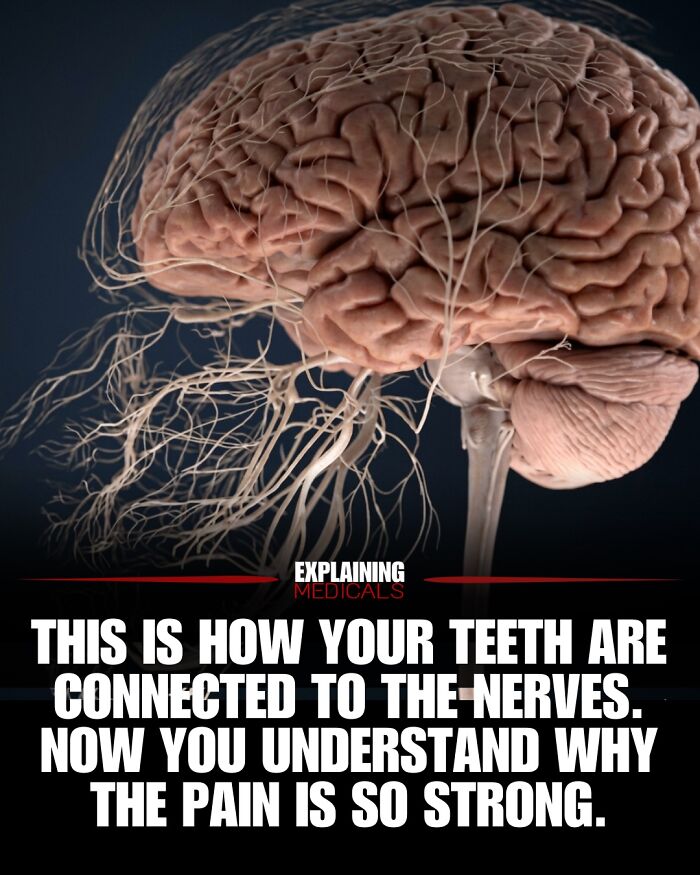
Inside every tooth is a highly sensitive structure called the Dental Pulp. This soft tissue lies beneath the outer layers of Enamel and Dentin, and it contains blood vessels and nerve fibers that keep the tooth alive and responsive. These nerves connect to the larger Trigeminal Nerve, one of the main sensory nerves of the face. Because this nerve network is extremely sensitive, even small irritations—like cavities, cracks, or infections—can trigger very strong pain signals. When the inner pulp becomes inflamed or infected, the pressure inside the rigid tooth structure increases. Since there is little room for swelling, the nerves become compressed, which is why toothaches can feel sharp, throbbing, and difficult to ignore. Understanding this internal structure explains why dental pain can be so intense—and why early treatment of cavities or infections is important to prevent deeper nerve involvement.
© Photo: explaining.medicals
#11
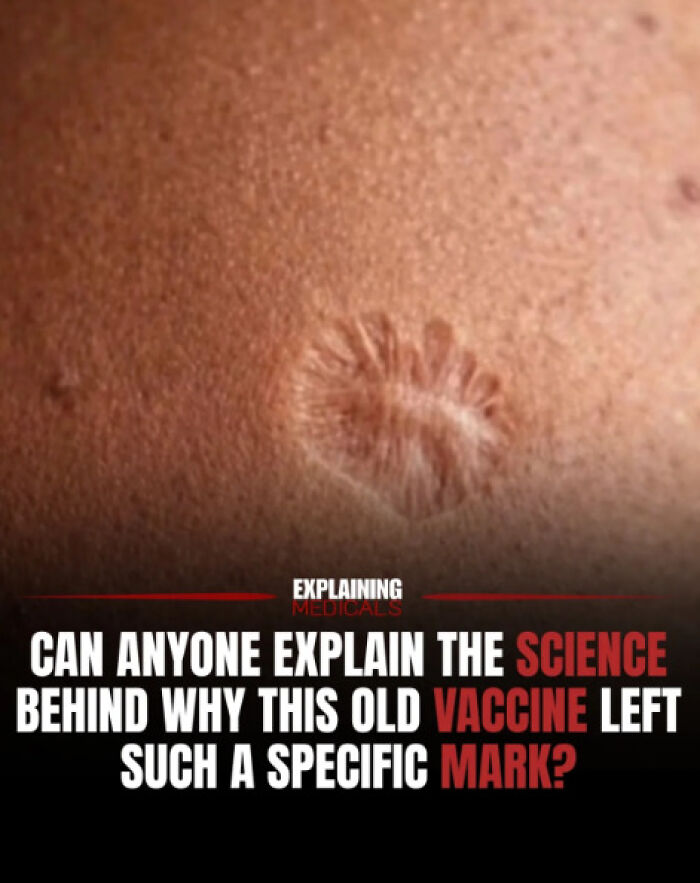
Many older vaccines especially the smallpox vaccine and BCG vaccine for tuberculosis were administered using techniques that intentionally created a strong local immune reaction in the skin. Unlike modern injections placed deep into muscle tissue, these vaccines were often delivered into the upper layers of the skin using multiple needle punctures. After vaccination, the immune system triggered inflammation at the site as white blood cells responded to the weakened or modified infectious material. This caused redness, swelling, blister formation, and eventually a scab as the body healed. Because the skin tissue was slightly damaged during this immune response, collagen fibers and connective tissue repaired the area by forming scar tissue. The result was the characteristic circular or indented mark that many people still carry decades later. In immunology, these visible scars are actually evidence of the body’s immune system learning to recognize and defend against dangerous infectious diseases. The human body remembers infections and sometimes, it leaves permanent marks showing where that biological memory began.
© Photo: explaining.medicals
#12
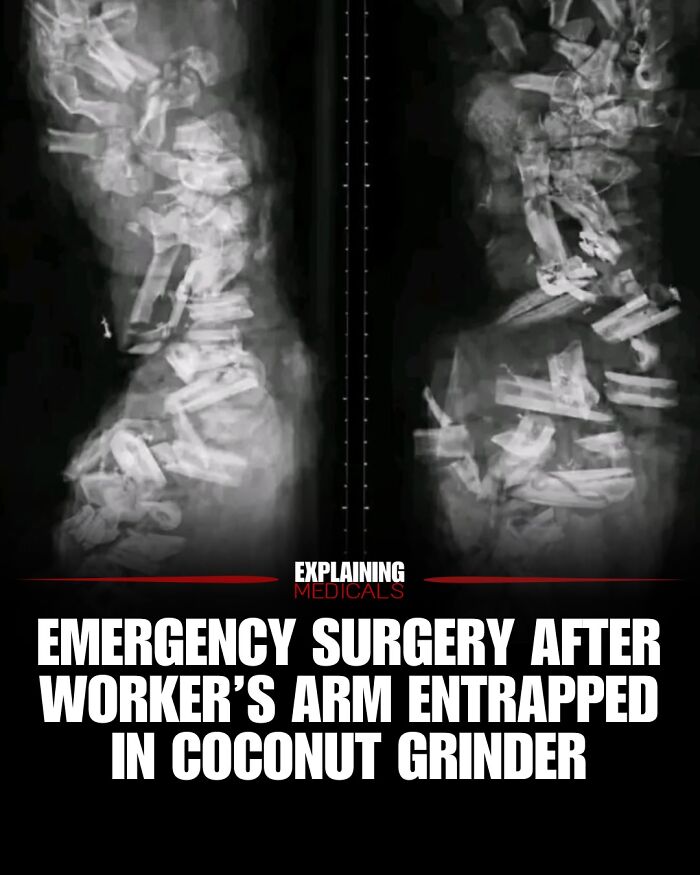
A patient was rushed to the emergency department after a devastating industrial accident in which his arm became trapped in a high-powered coconut shell grinding machine. The rotating mechanism caused severe trauma to the left upper limb, damaging multiple structures including bones, muscles, ligaments, blood vessels, and skin. Medical imaging revealed comminuted fractures—where bones are shattered into several fragments—affecting both the Radius and Ulna, the two long bones of the forearm. In addition to the fractures, doctors identified extensive soft-tissue damage, contamination from the machinery, and possible injury to the Brachial Artery and surrounding vascular structures that supply blood to the limb. In trauma surgery, one of the most difficult decisions is whether a limb can be salvaged or whether Amputation is necessary to save the patient’s life. Surgeons evaluate several factors, including the degree of bone destruction, the viability of muscles and nerves, blood flow to the limb, and the risk of infection or tissue death. If circulation can be restored and enough tissue remains viable, surgeons may attempt Limb Salvage Surgery, which can involve vascular repair, bone fixation with plates or rods, reconstructive procedures, and multiple operations over time. However, when blood supply is permanently compromised or the tissue damage is too extensive, amputation may be the safest option to prevent life-threatening complications such as severe infection or systemic shock. Cases like this highlight the complexity of modern trauma medicine, where doctors must balance saving the limb with preserving the patient’s overall survival and long-term quality of life.
© Photo: explaining.medicals
#13
A Brazilian patient in the terminal stage of cancer reportedly experienced a remarkable improvement after receiving an advanced experimental treatment that reprograms the patient’s own immune cells to attack tumors. The therapy is known as CAR T-cell Therapy, a form of Immunotherapy. In this process, doctors collect the patient’s T Cells—a type of immune cell responsible for fighting infections—and genetically modify them in a laboratory. These enhanced cells are then returned to the patient’s body, where they are designed to recognize and destroy Cancer cells. According to reports, the patient’s tumors began shrinking rapidly after treatment, with significant changes observed within weeks. While such outcomes are encouraging, researchers emphasize that these therapies are still being studied and may not work the same way for every patient. Treatments like CAR T-cell therapy represent a new frontier in cancer care, focusing on empowering the body’s own immune system to target and eliminate malignant cells. Scientists around the world continue to study these approaches in hopes of expanding their effectiveness and availability for more patients in the future.

© Photo: explaining.medicals
#14
During pregnancy, the bodies of a mother and her baby are more connected than most people realize. Scientists have discovered that a small number of cells can pass between the mother and the developing baby through the placenta in a process known as Microchimerism. These transferred cells may remain in the child’s body for many years—sometimes even for life. They can travel through the bloodstream and settle in different tissues, including the skin, brain, and organs. This exchange happens through the Placenta, the organ that allows nutrients, oxygen, and biological signals to pass between the mother and fetus during pregnancy. Researchers believe these cells may play roles in immune system development and tissue repair, although scientists are still studying their full effects. The discovery highlights how pregnancy creates a lasting biological connection between a mother and her child—showing that, in a very real scientific sense, a part of your mother may remain with you throughout your life.

© Photo: explaining.medicals
#15
The World Health Organization (WHO) has classified processed meats such as Bacon as Group 1 carcinogens, meaning there is strong scientific evidence that they can contribute to cancer risk, particularly colorectal cancer. This classification places processed meat in the same risk category as substances like Cancer-causing agents such as tobacco and asbestos in terms of evidence—not necessarily the same level of danger. Bacon is considered a processed meat because it is preserved through methods like smoking, salting, or curing with nitrates and nitrites. During high-heat cooking, these compounds can form chemicals such as heterocyclic amines and N-nitroso compounds, which have been linked to DNA damage and inflammation in the digestive tract. Over time, frequent consumption may increase long-term health risks. Disclaimer: This information is shared for educational purposes only and is not intended as medical advice. Moderation and balanced nutrition are key, and individuals should consult healthcare professionals for personalized dietary guidance.

© Photo: explaining.medicals
#16
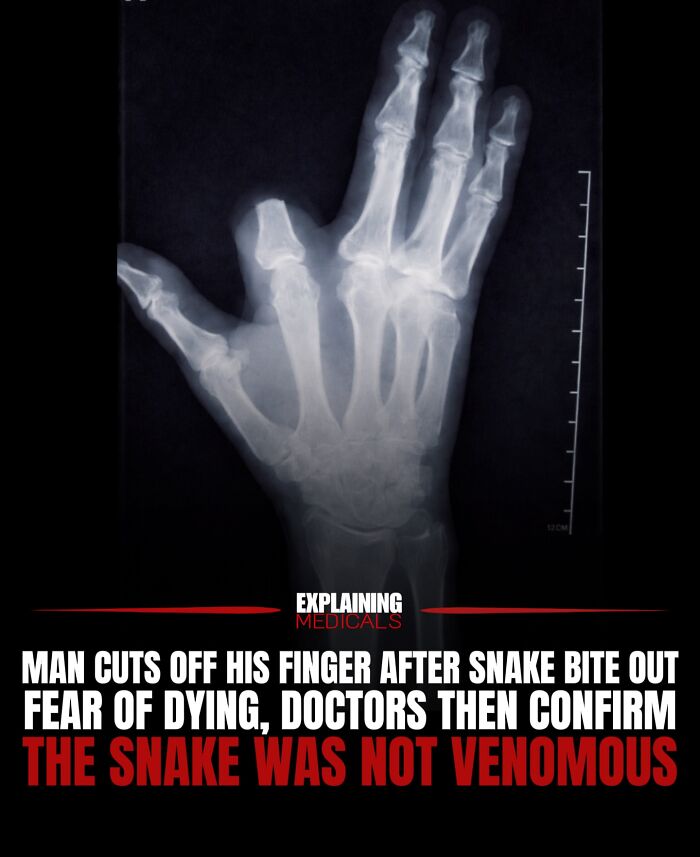
A 60-year-old farmer from China named Zhang suffered a tragic injury driven by fear rather than venom. After being bitten on the finger by what he believed was a deadly “five-step snake,” Zhang panicked, convinced he had only minutes to live. Acting on that belief, he amputated his own finger in an attempt to save himself.
The incident occurred in Shangyu, China. When Zhang later received proper medical care, doctors identified the snake as Deinagkistrodon acutus and confirmed that it was not venomous. He showed no signs of poisoning, but the damage had already been done the finger could not be saved.
This case highlights how panic and misinformation can be as dangerous as the perceived threat itself. In medical emergencies, staying calm and seeking professional help immediately is critical, as rushed decisions made under fear can lead to irreversible harm.
© Photo: explaining.medicals
#17
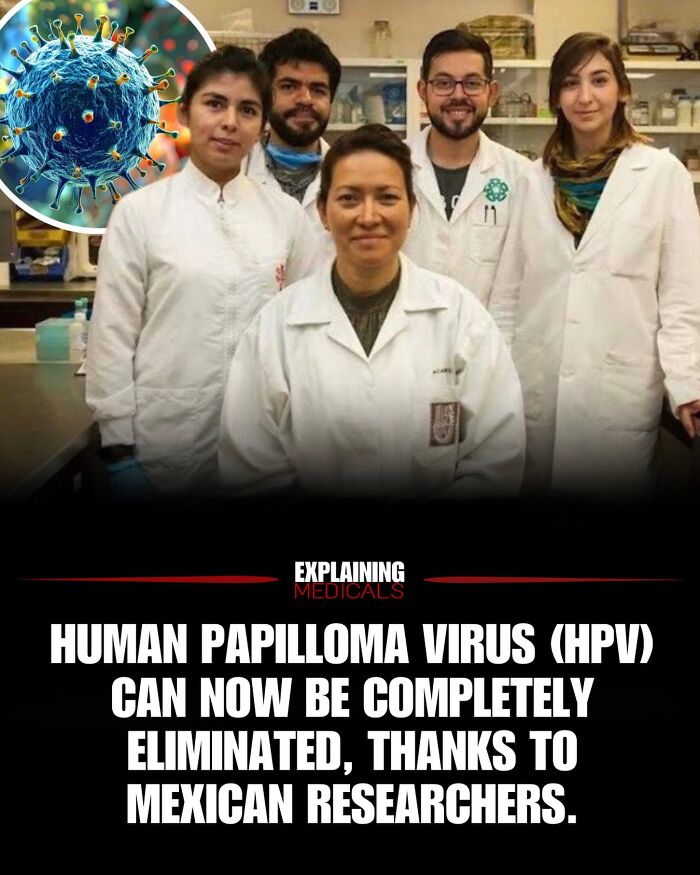
A 2017 study by Mexican researcher Eva Ramón Gallegos published in Photochemistry and Photobiology found that photodynamic therapy eliminated HPV-16 and HPV-18 in all 20 women with CIN I after one treatment session. This therapy uses a light-activated gel that selectively targets and destroys HPV-infected cervical cells. Recent 2026 reports highlight follow-up trials where 29 women achieved complete HPV clearance, following earlier 2023 results showing regression of cervical lesions without surgery. These findings suggest photodynamic therapy could become a non-invasive treatment option for high-risk HPV strains responsible for around 90% of cervical cancer cases.
© Photo: explaining.medicals
#18
Spanish scientists have achieved a major breakthrough by eliminating pancreatic cancer in mice using a triple‑drug therapy. According to the Spanish National Cancer Research Centre, a team led by Dr. Mariano Barbacid has successfully eliminated pancreatic tumors in mice using a combination of three drugs. The therapy targets the KRAS oncogene pathway, which is responsible for most cases of pancreatic cancer and has long been considered impossible to treat directly. This achievement is being described as one of the most important advances in cancer research in recent years.
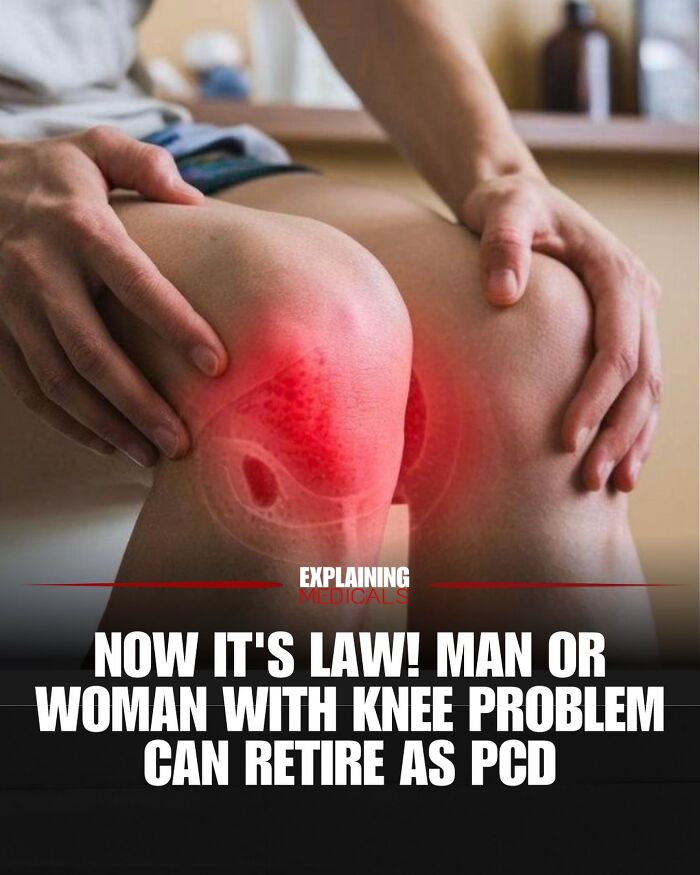
The researchers emphasize that while the results are groundbreaking, they are still at the preclinical stage. The therapy has not yet been tested in humans, and clinical trials will be necessary to determine whether the treatment is safe and effective for patients. While it is not yet a cure for humans, the research provides hope that future therapies could dramatically improve survival rates for pancreatic cancer patients.

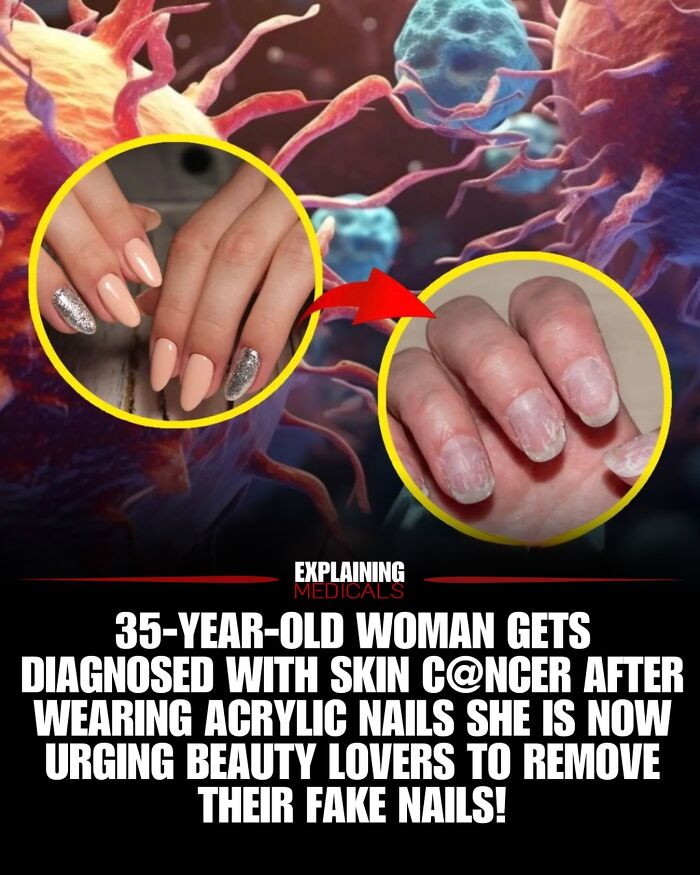
© Photo: explaining.medicals
#19
A bond that runs deeper than looks. A mother and daughter connected by more than love, sharing a rare genetic trait that leaves a lasting impression.
Their striking white streak of hair, a result of piebaldism, is a visible symbol of their unbreakable tie. What stands out becomes the thread that weaves their legacy together.
A reminder that our differences are often the roots that bind us to our past and to each other.

© Photo: explaining.medicals
#20
Sleep often feels deeper and more restorative when you feel safe and emotionally connected. When a man sleeps next to his partner, his body can naturally relax more than when he sleeps alone. This response isn’t only emotional—it also has a biological component. Physical closeness can trigger the release of oxytocin, commonly known as the “bonding hormone,” which helps lower stress levels and calm the mind. As stress decreases and the nervous system shifts out of alert mode, the body can enter deeper sleep cycles where real physical recovery takes place. Sharing a bed with someone you trust can also create a sense of comfort and protection, helping stabilize heart rate and breathing during the night. Because of this, emotional connection and affection can play a meaningful role in sleep quality, showing that sometimes better rest isn’t just about routines or supplements—it can also depend on the sense of security created by the person beside you.

© Photo: explaining.medicals
#21
Nutrition research suggests that combining Tomato and Avocado may significantly increase the body’s absorption of Lycopene, a powerful antioxidant linked to reduced oxidative stress and potential protection against certain chronic diseases. Lycopene is a fat-soluble compound, meaning it dissolves and is absorbed more effectively when consumed with dietary fats. Tomatoes naturally contain lycopene, but the body cannot absorb it efficiently without the presence of fat in the meal. Avocados are rich in Monounsaturated Fats, which help the digestive system absorb fat-soluble nutrients like lycopene. Some nutrition studies have found that pairing tomatoes with avocado or other healthy fats can increase lycopene absorption several times compared to eating tomatoes alone. Lycopene has been widely studied for its potential role in supporting Cardiovascular Disease prevention and reducing oxidative damage in cells. Researchers often emphasize that the nutritional value of foods is not only about individual ingredients, but also about how foods are combined within a balanced diet.

© Photo: explaining.medicals
#22
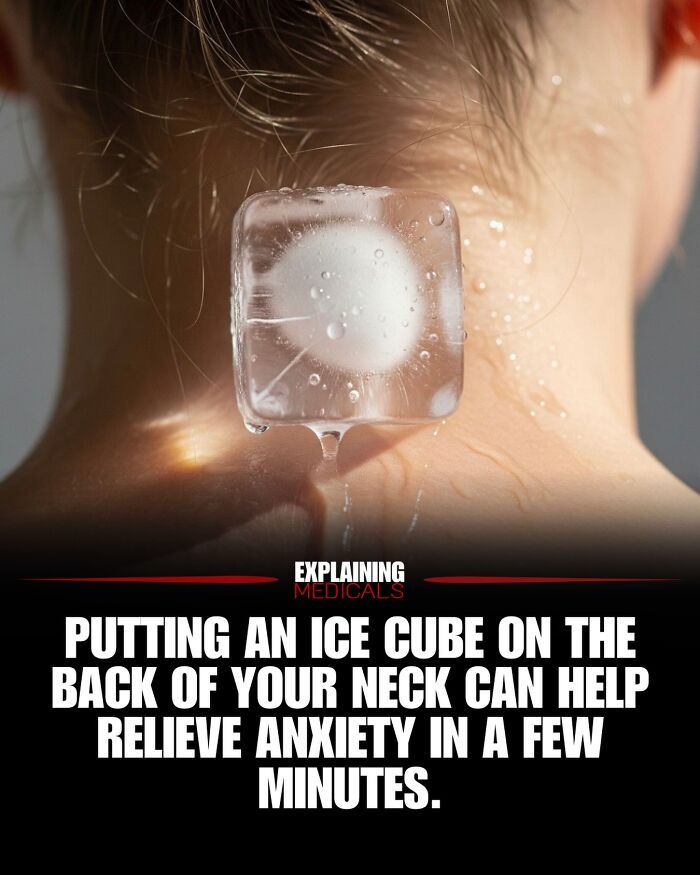
Placing something cold—like an ice cube—on the back of your neck can sometimes help reduce feelings of anxiety within a few minutes. This effect is linked to how the body’s autonomic nervous system responds to sudden temperature changes. The back of the neck contains many temperature-sensitive nerve endings that connect to the brain through pathways involved in regulating stress responses. When cold is applied to this area, it can stimulate parts of the parasympathetic nervous system, the branch responsible for slowing the heart rate and helping the body return to a calmer state after stress. Cold exposure can also influence the vagus nerve, a major nerve that plays a role in regulating heart rate, breathing, and emotional responses. Activating this pathway may slightly slow the heart rate and encourage deeper breathing, which can help reduce the physical sensations associated with anxiety. In addition, sudden cold stimulation can briefly shift the body’s focus away from racing thoughts and toward sensory input, helping interrupt the stress response. This is similar to techniques sometimes used in grounding exercises. However, while cold stimulation may provide short-term relief, it is not a treatment for chronic anxiety disorders. Long-term management usually involves approaches such as stress-management techniques, therapy, healthy sleep habits, and medical guidance when necessary. In simple terms, the cooling sensation acts like a quick reset signal to the nervous system, helping the body transition from a heightened stress response toward a calmer physiological state.
© Photo: explaining.medicals
#23
The first hour after birth is not only emotional—it is also biologically important for a newborn’s development. Research on Skin-to-Skin Contact, often called Kangaroo Care, shows that placing a baby directly on a parent’s chest can help regulate several vital functions in the early moments of life.
While this practice is commonly associated with mothers, studies suggest that fathers can provide similar benefits. When newborns experience skin-to-skin contact with their fathers during the first hour after birth, researchers have observed increases in Oxytocin, sometimes referred to as the “bonding hormone.” This hormonal response is associated with stronger emotional bonding, reduced stress responses, and improved feelings of safety for the infant.
Skin-to-skin contact can also help stabilize a newborn’s heart rate, support temperature regulation, and promote calmer behavior. Some studies report that babies held this way tend to cry less and may experience longer periods of rest in the first 24 hours of life. These early interactions can play an important role in shaping early attachment and supporting the development of the Nervous System.
Researchers emphasize that these simple moments of touch and presence may contribute to early brain development and emotional regulation. While advanced medical care is essential in many cases, human connection especially immediately after birth remains one of the most powerful influences on a newborn’s early wellbeing.
This content is for educational purposes only and should not replace professional medical advice.

© Photo: explaining.medicals
#24
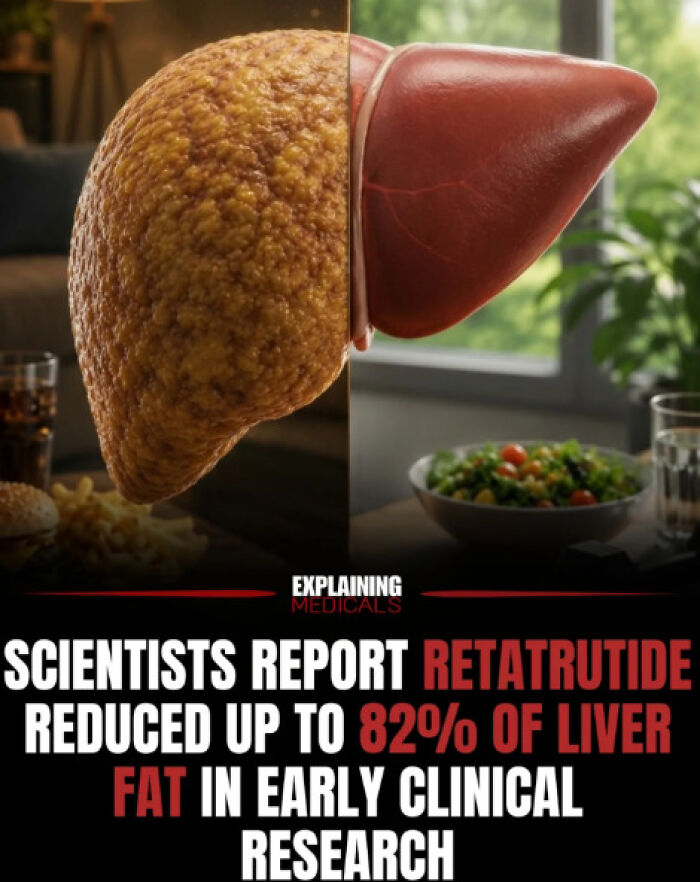
Researchers studying obesity and metabolic disease have reported promising results with an experimental drug called retatrutide, which appears to significantly reduce liver fat accumulation in some patients over several months of treatment. Excess liver fat is commonly associated with metabolic dysfunction–associated steatotic liver disease (MASLD), previously known as fatty liver disease. This condition is strongly linked to obesity, insulin resistance, type 2 diabetes, inflammation, and cardiovascular risk. Retatrutide works by targeting multiple hormone receptors involved in appetite regulation, blood sugar control, metabolism, and energy balance. Early clinical findings suggest the medication may promote substantial weight loss while also improving markers related to liver health and metabolic function. However, experts emphasize that these studies are still ongoing, and long-term safety, side effects, durability, and broader clinical outcomes continue to be evaluated before widespread use. The liver plays a central role in metabolism — and modern medicine is increasingly developing therapies that target the hormonal systems controlling energy storage and fat regulation.
© Photo: explaining.medicals
#25
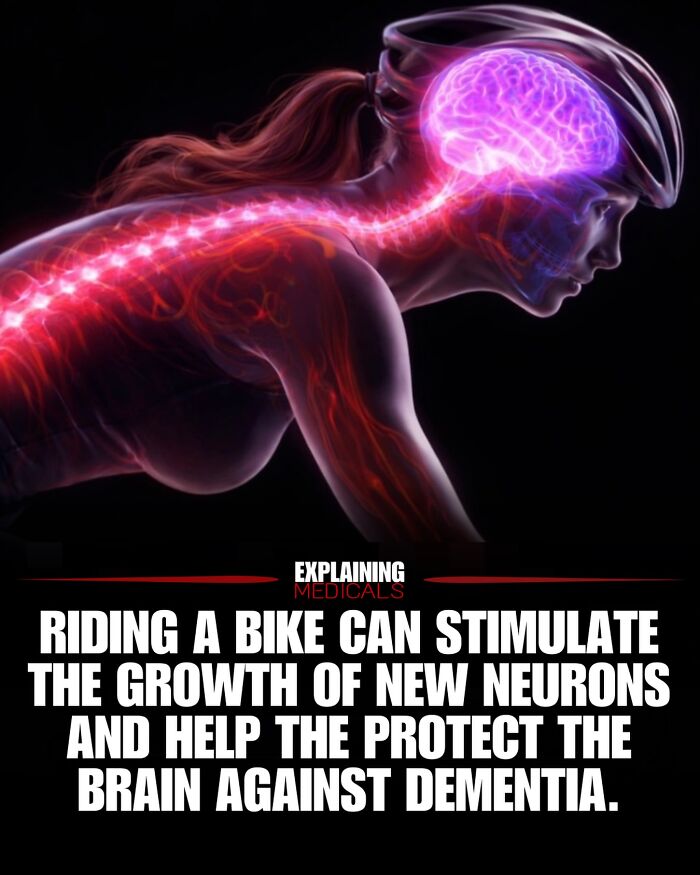
Research in Neuroscience suggests that aerobic activities like cycling can do more than strengthen muscles—they may also support brain health. Studies indicate that regular physical exercise can stimulate Neurogenesis, the process through which new neurons are formed in the brain. This activity occurs especially in the Hippocampus, a region responsible for memory and learning. During cycling and other aerobic exercises, the body increases production of Brain-Derived Neurotrophic Factor (BDNF), a protein that supports the growth and survival of neurons while strengthening connections between them. Exercise also improves blood circulation, delivering more oxygen and nutrients to brain tissue, which helps maintain cognitive function over time. Several studies suggest that people who remain physically active throughout life have a lower risk of cognitive decline and conditions such as Dementia. In other words, cycling isn’t just beneficial for the body—it may also help keep the brain healthier and more resilient as we age.
© Photo: explaining.medicals
#26
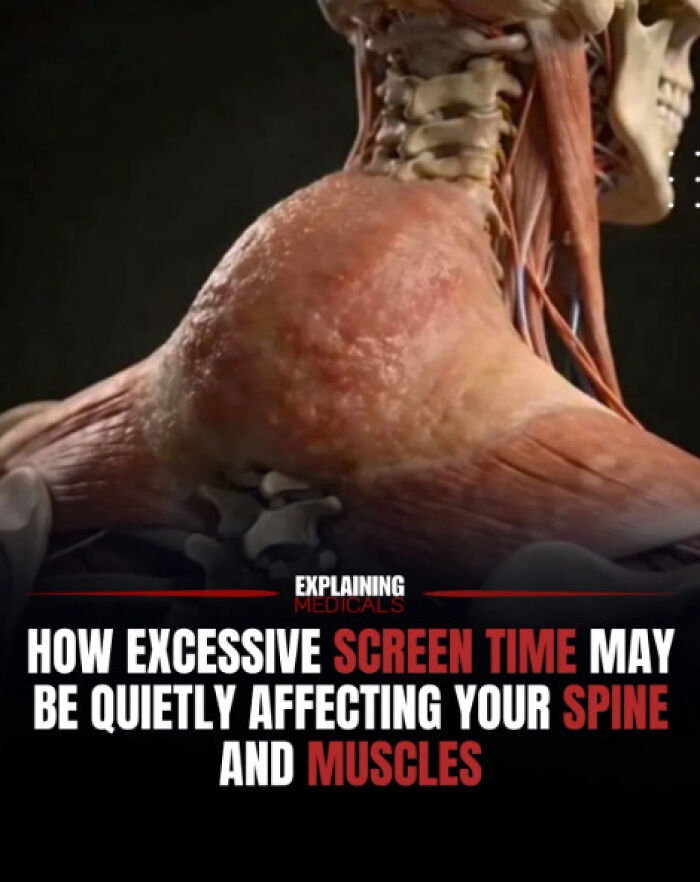
Medical experts have increasingly warned about a growing posture-related condition informally referred to as the “technological hump” or “text neck.” It describes abnormal curvature and strain developing in the neck and upper back due to prolonged downward head posture while using phones, tablets, or computers. The human head weighs several kilograms, but when tilted forward for long periods, the pressure placed on the cervical spine increases dramatically. Over time, this constant strain can affect muscles, ligaments, joints, and spinal alignment, sometimes leading to neck pain, rounded shoulders, headaches, stiffness, and visible postural changes. Young people may be especially vulnerable because modern lifestyles often involve many hours of screen exposure every day during critical stages of skeletal and muscular development. Poor posture combined with weak back muscles and prolonged sitting can gradually alter how the spine distributes weight and maintains balance. Although the term “technological hump” is not an official medical diagnosis, the biological effects of chronic poor posture are very real. The spine is designed to support the body in balanced alignment and repeated unnatural positioning can slowly reshape how the body moves and functions. The human body adapts to the positions we spend the most time in even when those positions are unhealthy.
© Photo: explaining.medicals
#27
Scientists at Stanford Medicine have made a major breakthrough in treating joint degeneration by discovering that blocking a protein called 15-PGDH, which is linked to aging, can stimulate cartilage regrowth in the knees. Unlike traditional regenerative approaches that rely on stem cells, this treatment works by “reprogramming” the body’s existing cartilage cells, restoring their youthful function and repairing damaged tissue naturally. This is a significant advance because it addresses the underlying cause of osteoarthritis rather than simply relieving pain. Early experiments have shown remarkable results in regenerating cartilage and improving joint function, and a version of the drug has already passed initial human safety trials for muscle weakness. Researchers envision that this therapy could eventually be delivered as a simple oral pill, eliminating the need for invasive procedures like knee replacement surgery. If successfully developed, this approach could transform treatment for millions, enabling people to maintain mobility, reduce pain, and stay active as they age. This discovery represents a new frontier in anti-aging and regenerative medicine, showing how targeting specific proteins can restore tissue health and improve quality of life without complex surgical interventions.
© Photo: explaining.medicals
#28
A scientific study published in the journal Environment International analyzed tampons from multiple brands and countries and reported the presence of trace levels of several metals, including Lead and Arsenic, along with more than a dozen other metallic elements. According to the researchers, all tampon samples tested in the study contained detectable amounts of these metals, although the concentrations varied widely between products. The study also compared products labeled as Organic Tampons with conventional tampons and found that some organic varieties showed higher average concentrations of certain metals. Scientists note that these elements can originate from environmental sources such as soil contamination, agricultural processes, or manufacturing materials. Researchers highlighted that the Vaginal Mucosa has a relatively high capacity for absorption, which is why they believe further investigation is important to understand potential long-term exposure risks. However, the study emphasized that detecting trace metals does not automatically mean the levels are harmful, and more research is needed to determine whether these amounts pose measurable health risks. The findings have sparked discussion among scientists and health advocates about improving testing, transparency, and safety standards for menstrual hygiene products.

© Photo: explaining.medicals
#29
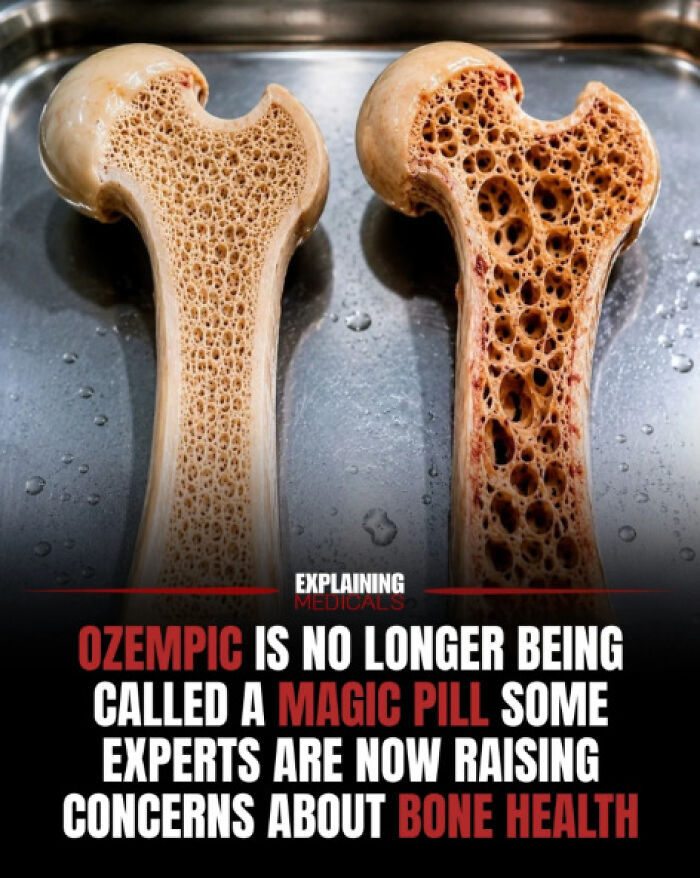
Ozempic, a medication containing semaglutide, was originally developed to help manage type 2 diabetes and later became widely known for its significant effects on weight loss and appetite regulation. It works by mimicking a natural hormone called GLP-1, which helps control blood sugar, slow stomach emptying, and reduce hunger signals in the brain. As use of the medication expanded, researchers began studying its long-term effects beyond weight loss alone. Some experts have raised concerns that rapid weight reduction, changes in nutrition, reduced muscle mass, and altered metabolism associated with certain weight-loss medications could potentially affect bone density over time in some individuals. Current research on GLP-1 medications and bone health is still ongoing, and scientists have not concluded that Ozempic directly “destroys bones.” However, maintaining bone strength depends heavily on nutrition, muscle activity, hormones, calcium balance, and overall metabolic health all of which can be influenced during major weight changes. Medical experts emphasize that medications like Ozempic should be used under professional supervision, with attention to nutrition, exercise, muscle preservation, and long-term health monitoring. The human body is deeply interconnected and changes affecting metabolism can influence far more than body weight alone.
© Photo: explaining.medicals
#30
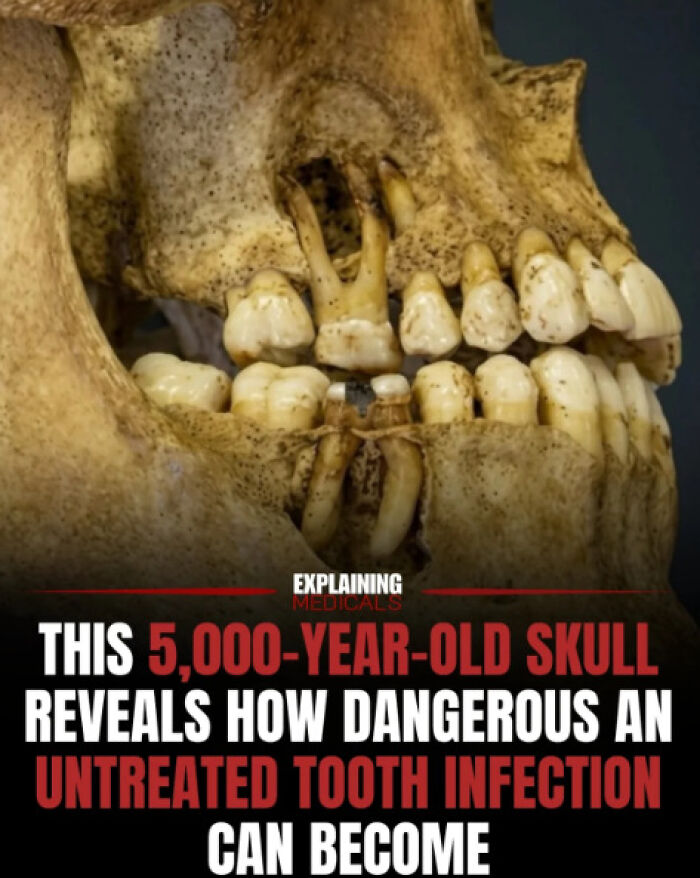
Long before modern dentistry and antibiotics existed, severe tooth infections could spread deep into the jawbone, bloodstream, and surrounding tissue — sometimes becoming life-threatening. Archaeologists examining ancient skulls have discovered dramatic evidence of dental abscesses, bone erosion, and infection caused by untreated decay. When bacteria invade a damaged tooth, infection can spread into the root and surrounding bone, creating pockets of pus known as abscesses. Over time, chronic infection may destroy bone tissue, loosen teeth, deform the jaw, and potentially spread into the sinuses or bloodstream. Ancient remains show that dental disease has affected humans for thousands of years, often causing intense pain, swelling, difficulty eating, and serious complications without medical treatment. Today, modern dentistry can often stop these infections early through fillings, root canals, antibiotics, and oral hygiene — but untreated dental infections can still become dangerous even now. The human mouth contains millions of bacteria, and something as small as a cavity can eventually affect the entire body.
© Photo: explaining.medicals
#31
Spain has become the first country in Europe to approve paid leave for severe menstrual pain, allowing women to take up to five days off per month when symptoms become debilitating. The policy recognizes the medical condition known as dysmenorrhea, which can cause intense abdominal cramps, fatigue, nausea, and headaches that significantly affect daily functioning and productivity. Under the new law, women can take menstrual leave after an initial medical verification, without needing a doctor’s note for every episode. Employers are required to treat this leave like any other medically related absence, marking an important step toward acknowledging the biological and health impacts of menstrual cycles in the workplace.

© Photo: explaining.medicals
#32
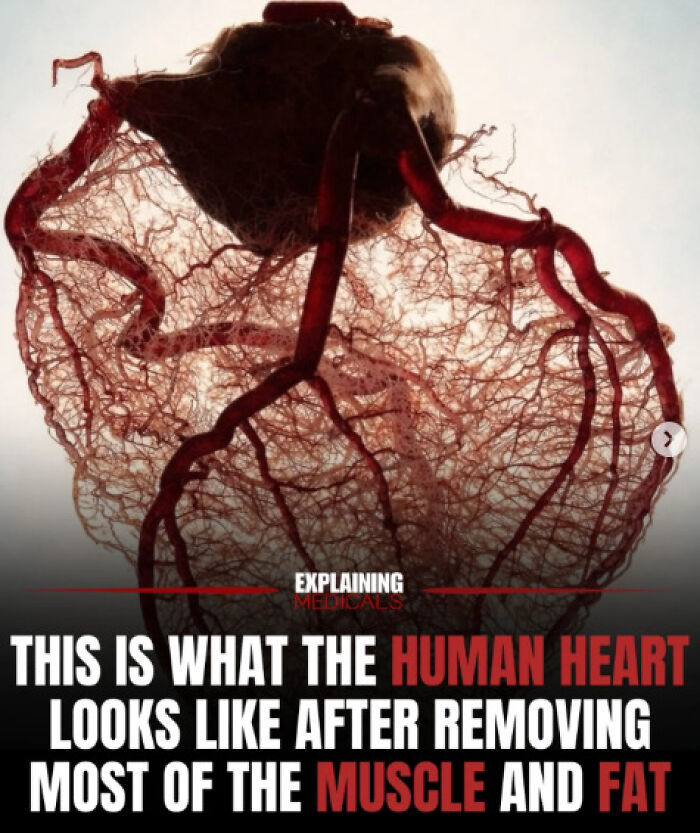
The human heart is made primarily of specialized cardiac muscle called myocardium, along with connective tissue, blood vessels, valves, nerves, and a supporting structural framework. When much of the surrounding muscle and fat are removed during anatomical preparation, the remaining structures reveal the intricate internal architecture that helps control blood flow and electrical signaling.
Visible components may include the chambers of the heart, major vessels, valve structures, fibrous tissue, and the branching pathways that coordinate circulation throughout the body. The outer fat surrounding the heart normally cushions and protects blood vessels while supporting energy storage and insulation.
Despite being only about the size of a fist, the heart pumps blood continuously through thousands of miles of blood vessels and beats more than 100,000 times each day.
The heart is not just a simple pump it is a highly organized network of muscle fibers, valves, and electrical pathways working together every second to keep the body alive.
© Photo: explaining.medicals
#33
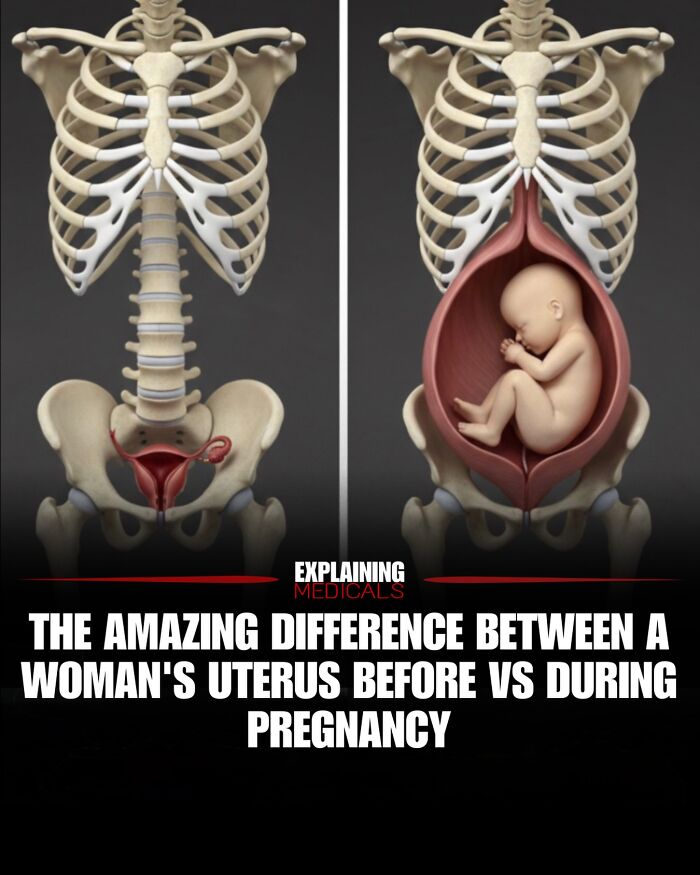
The uterus undergoes a remarkable transformation during pregnancy, expanding from the size of a lemon to a watermelon over 40 weeks. It grows from 3 inches long and 1 ounce to supporting a full-term baby and weighing nearly 2 pounds. This elasticity allows it to safely house a growing fetus and shrink back after birth through uterine involution, occurring within six weeks postpartum. As it grows, the uterus rises from the pelvis to above the belly button by 20 weeks. Healthcare providers track this growth using fundal height to monitor healthy development. The uterus plays a vital role in pregnancy, whether carrying one baby or multiples.
© Photo: explaining.medicals
#34
Imagine being ten years old, swimming on a summer day, when something ancient and silent grabs your leg and drags you underwater.
In May 2017, at Moss Park in Orlando, Florida, Juliana Ossa was playing in a shallow lagoon when a six- to seven-foot American alligator suddenly clamped onto her foot and pulled her beneath the surface. There were no warning signs, no dramatic buildup, just panic, pressure, and darkness in a matter of seconds.
But here’s the turn that changed everything.
Instead of thrashing, Juliana remembered something she had learned from wildlife programs. She forced her fingers into the alligator’s nostrils, blocking its airway. Instinctively, the animal opened its jaws to breathe, and in that moment, Juliana tore her leg free and swam to safety.
She survived with deep bite wounds and stitches, but she walked out alive.
What makes this story extraordinary isn’t luck. It’s presence of mind. A child, under extreme terror, accessing knowledge and using it with precision while most adults would freeze.
This wasn’t a miracle. It was preparation meeting instinct.
And maybe that’s the quiet lesson here. The things we casually learn, the facts we half-remember, the warnings we barely notice, can one day become the difference between fear and survival.

© Photo: explaining.medicals
#35
The dark powdery spots sometimes seen on onions are often caused by a fungus known as Aspergillus niger. This mold commonly develops on onions that have been stored in warm and humid environments, where fungal spores can grow on the outer layers of the vegetable. Many people simply brush off the black powder or remove the outer layer before cooking. However, food safety experts note that mold growth can sometimes extend deeper into the onion than what is visible on the surface. Certain molds, including some species of Aspergillus, are capable of producing substances called Mycotoxins, which are toxic compounds produced by molds under certain conditions. Because of this possibility, food safety guidelines often recommend discarding heavily moldy onions rather than trying to salvage them by removing only the affected portion. Proper storage in a cool, dry, and well-ventilated place can help reduce the chances of mold growth on onions and other vegetables. While not every case of black mold on onions produces harmful toxins, avoiding visibly moldy produce is generally considered the safest approach for food hygiene.

© Photo: explaining.medicals
#36
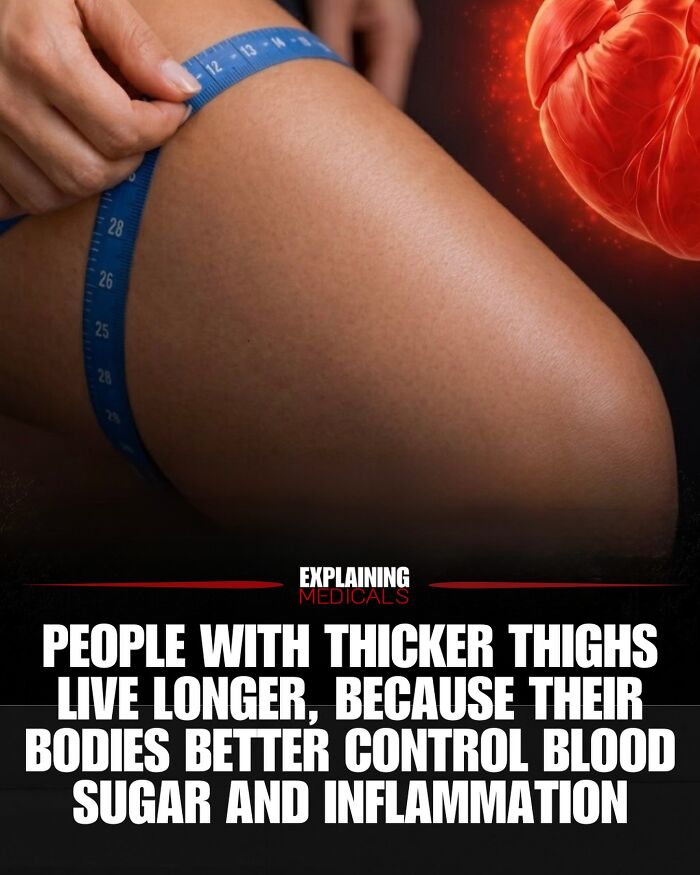
Several health studies have explored how body fat distribution affects long-term health, and some findings suggest that people with larger thigh circumference may have certain metabolic advantages. Thighs contain a combination of skeletal muscle and subcutaneous fat, both of which can influence how the body manages energy, blood sugar, and inflammation. From a biological perspective, the muscles in the thighs—such as the quadriceps and hamstrings—play a major role in glucose metabolism. These large muscle groups absorb and store glucose from the bloodstream, helping regulate blood sugar levels and improving insulin sensitivity. Better glucose control can reduce the risk of metabolic disorders such as type 2 diabetes. Subcutaneous fat stored in the thighs may also behave differently from fat stored around the abdomen. While visceral fat around internal organs is strongly linked to inflammation and cardiovascular risk, fat stored in the lower body tends to release fewer inflammatory molecules and may even help buffer excess fatty acids in the bloodstream. Because of this combination of muscle mass, fat distribution, and metabolic regulation, some researchers believe that greater thigh circumference can be associated with lower risks of certain metabolic and cardiovascular diseases. However, overall health and longevity still depend on many factors, including physical activity, diet, genetics, and lifestyle.
© Photo: explaining.medicals
#37
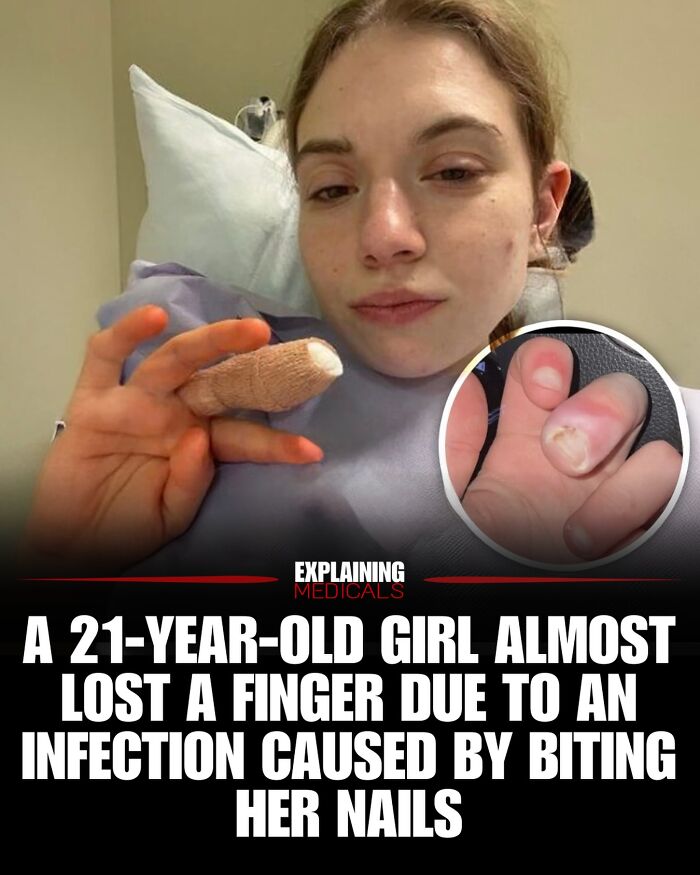
A 21-year-old woman nearly lost a finger after developing a serious infection linked to chronic nail biting, a habit medically known as Onychophagia. What began as a small torn piece of skin near the nail eventually turned into a painful infection that required medical treatment. Doctors explain that when the skin around the nail breaks, it creates an opening for bacteria to enter the tissue. The human mouth contains hundreds of microorganisms, and when they are transferred into small wounds around the nail, they can trigger infections such as Paronychia, a bacterial infection of the nail fold. Symptoms often begin with redness, swelling, and tenderness around the nail. In more severe cases, the infection can spread deeper into the finger, forming pus and causing intense pain. Treatment may require Incision and Drainage, antibiotics, or even surgery if the infection becomes advanced. Medical experts say the condition doesn’t happen to everyone who bites their nails, but the risk is real because of the bacteria normally present in the Oral Cavity. What seems like a harmless habit can sometimes escalate into a serious medical issue. To reduce risk, doctors recommend keeping nails trimmed and clean, avoiding biting or tearing the surrounding skin, and properly disinfecting any small cuts near the nail. If signs of infection appear—such as pus, severe swelling, or worsening pain—prompt medical attention is essential. The case serves as a reminder that small habits can sometimes lead to significant health consequences if infections develop.
© Photo: explaining.medicals
#38
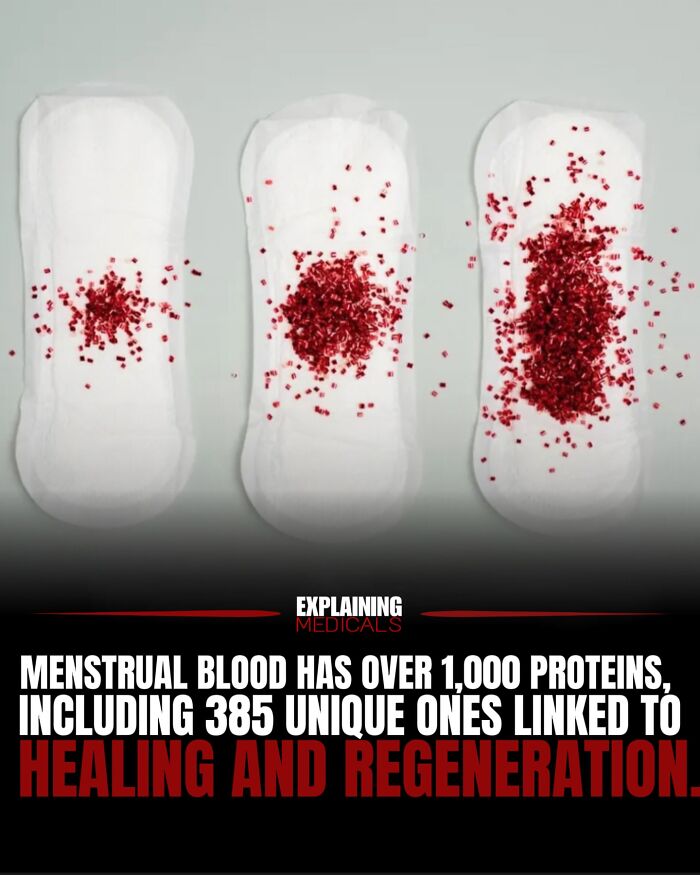
Menstrual Blood Is Biologically Unique And Science Is Just Beginning to Understand Why A 2012 U.S.-based study titled “Proteomic Analysis of Menstrual Blood”, led by researcher Heyi Yang, revealed that menstrual blood is very different from regular circulating blood. Using advanced proteomic techniques, the team identified 1,061 proteins in menstrual blood including 385 proteins that are completely absent from normal blood. Many of these unique proteins are associated with cell regeneration, tissue repair, immune modulation, and wound healing, reflecting the uterus’s monthly process of breakdown and renewal. This finding highlights that menstrual blood is not simply “waste,” but a biologically rich fluid with properties that science is only beginning to explore. Researchers suggest it may hold future potential in regenerative medicine and reproductive biology, an area that has historically been under-studied.
© Photo: explaining.medicals
#39
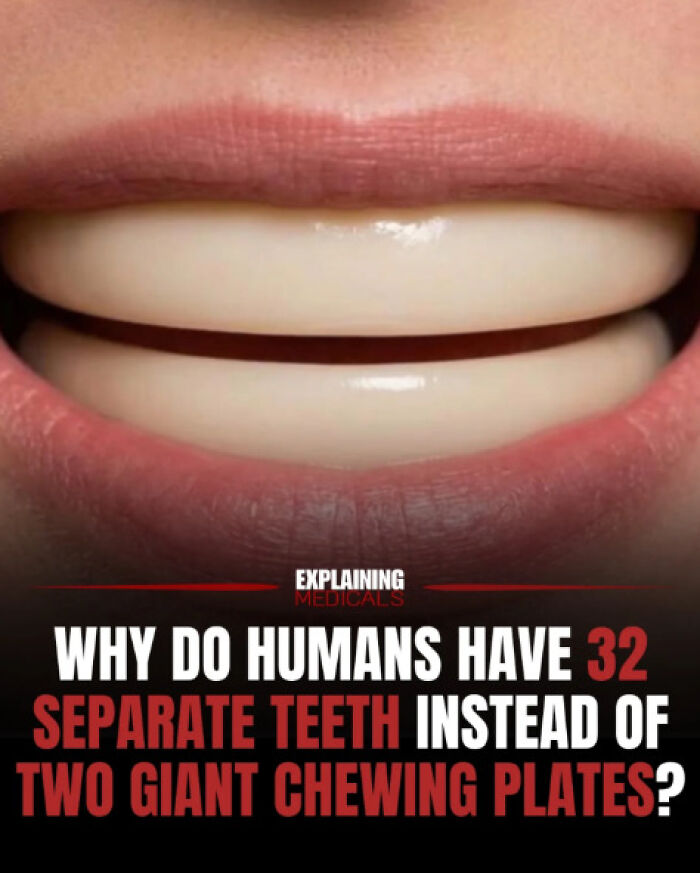
Human teeth are specialized tools designed for different functions. Incisors cut food, canines tear it, premolars crush it, and molars grind it. Having separate teeth allows each type to perform a specific task, making chewing far more efficient than a single continuous biting surface. Individual teeth also provide flexibility and durability. If one tooth becomes damaged, worn down, or lost, the entire chewing system can often continue functioning. A single large chewing plate would be much more vulnerable to injury and difficult to repair. Separate teeth also help distribute chewing forces across the jaw, support speech, and allow for the precise movements needed to process a wide variety of foods. Throughout evolution, mammals developed differentiated teeth because they offered major advantages for survival and dietary flexibility. Some animals, however, do possess structures that resemble continuous grinding plates, reflecting adaptations to their unique diets and lifestyles. What seems like a simple smile is actually the result of millions of years of evolutionary engineering.
© Photo: explaining.medicals
#40
A severe case of foodborne illness shows how a simple meal can sometimes lead to unexpected complications. After eating sushi, a man reportedly contracted an infection caused by Salmonella, a bacterium commonly associated with contaminated food. Salmonellosis usually causes symptoms such as fever, diarrhea, abdominal pain, nausea, and dehydration. Most cases resolve within a few days, but in rare situations the infection can become severe enough to require hospitalization, especially if the bacteria spread beyond the digestive system or trigger complications affecting other organs. In this case, the patient reportedly spent 23 days in intensive care, receiving treatment to stabilize the infection and support vital functions. Severe infections can place significant stress on the immune system and nervous system. Days after leaving the hospital, the man developed facial paralysis, a condition affecting the Facial Nerve, which controls muscles responsible for facial expression. One possible diagnosis for sudden facial paralysis is Bell’s Palsy, a neurological condition that causes temporary weakness or paralysis on one side of the face. It is often linked to inflammation or immune reactions affecting the nerve. While most people with facial nerve paralysis recover over time, cases like this highlight how severe infections can sometimes trigger unexpected neurological complications. Although foodborne infections are usually mild, proper food handling, hygiene, and consuming well-prepared seafood can help reduce the risk of bacterial contamination and illness.

© Photo: explaining.medicals
#41
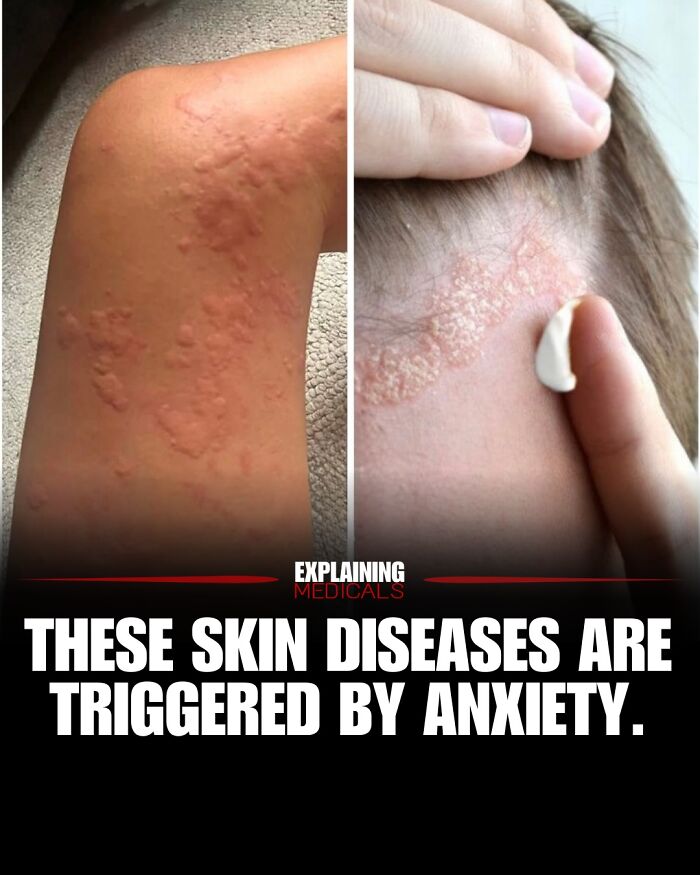
Changes in the skin can sometimes be influenced by emotional factors, especially anxiety and stress. During stressful moments, the body releases hormones such as Cortisol, which can trigger inflammation and alter the skin’s natural immune response. This hormonal shift may worsen existing skin conditions or contribute to flare-ups of issues like Acne, Eczema, or Psoriasis. While anxiety alone is not usually the sole cause of these conditions, it can act as a significant factor that intensifies symptoms. Because the skin is closely connected to the nervous and immune systems, it often reacts to what the body is experiencing internally. Observing persistent changes—such as redness, itching, or unusual irritation—is important. If symptoms continue or worsen, consulting a healthcare professional is recommended for proper evaluation and guidance. The human body constantly sends signals, and learning to recognize them can make an important difference in maintaining overall health.
© Photo: explaining.medicals
#42
Recent laboratory research suggests that compounds derived from Cannabis—specifically Cannabidiol (CBD) and Tetrahydrocannabinol (THC)—may interfere with the growth and movement of Ovarian Cancer cells. In controlled experiments, researchers found that a balanced 1:1 combination of these compounds reduced cancer cell proliferation, limited their ability to migrate, and suppressed colony formation. The effect appears to be linked to regulation of the PI3K/AKT/mTOR signaling pathway, a molecular pathway frequently overactive in ovarian cancer that promotes tumor growth and survival. At the same time, the treatment increased activity of PTEN, a protein that normally helps prevent uncontrolled cell growth but is often weakened in these cancers. Researchers also observed relatively low toxicity toward healthy cells and noted that the effects remained consistent even in cancer cell lines resistant to platinum-based chemotherapy. While these findings suggest that CBD and THC may work synergistically to suppress tumor activity, the results come from in vitro laboratory studies, meaning further research and clinical trials are needed to determine whether similar benefits could occur in human patients.

© Photo: explaining.medicals
#43
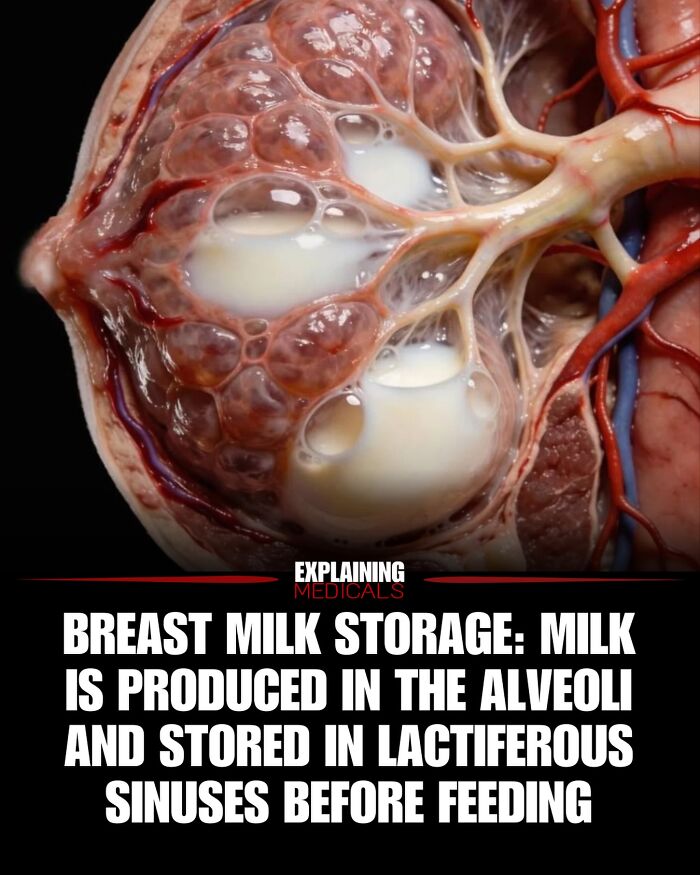
Breast milk is produced in the alveoli, tiny clusters of milk-secreting cells within the mammary glands, and then moves through ducts to the lactiferous sinuses, where it is temporarily stored before being released during feeding. This system ensures that milk is readily available for the baby on demand, while also allowing the breasts to regulate production according to feeding frequency. Understanding this anatomy highlights the biological efficiency of lactation and the importance of proper breastfeeding techniques for effective milk removal and infant nutrition.
© Photo: explaining.medicals
#44
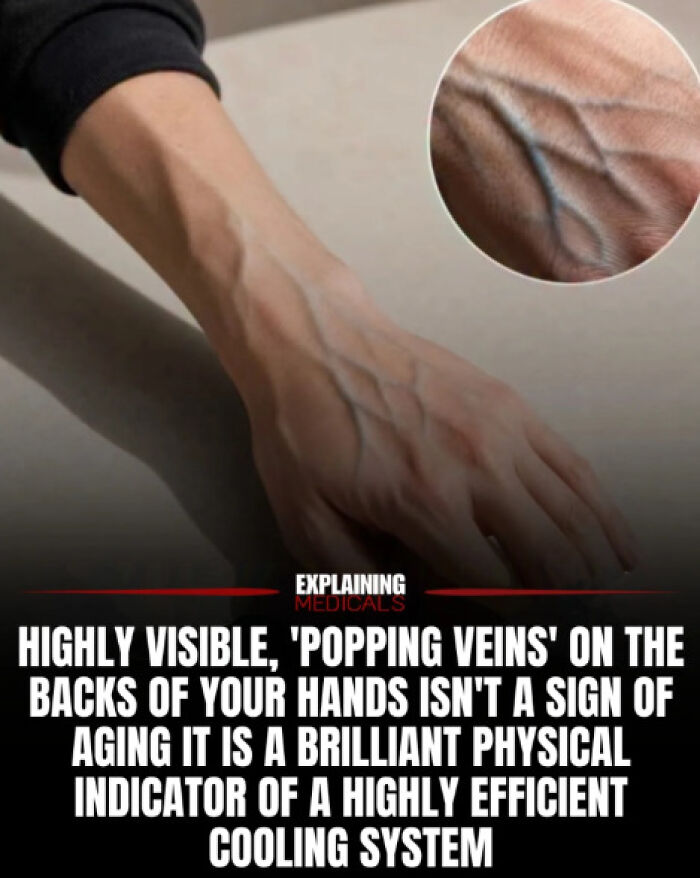
Highly visible veins on the backs of the hands are often mistaken as simply a sign of aging, but biologically, they can actually reflect an efficient thermoregulation system inside the human body. Your circulatory system does far more than transport oxygen and nutrients. It also helps control body temperature. When the body becomes warmer during exercise, stress, or heat exposure, blood vessels near the skin surface expand through a process called vasodilation. This allows more heat to escape from the body, helping cool you down more effectively. Because the skin on the hands is naturally thin and contains less fat, these superficial veins become easier to see when blood flow increases. Genetics, muscle mass, low body fat, and strong circulation can make them appear even more prominent. In many cases, visible hand veins are simply a fascinating example of the body’s built-in biological cooling system working exactly as it was designed to. The human body constantly reveals hidden science beneath the skin.
© Photo: explaining.medicals
#45
A growing number of researchers are raising concerns about early screen exposure in infants. Some studies suggest that frequent screen time before the age of two could interfere with critical stages of brain development, a period when a child’s brain is rapidly forming the neural connections responsible for language, attention, and emotional regulation. During these early years, the brain is highly sensitive to environmental stimulation. According to pediatric recommendations from organizations such as the American Academy of Pediatrics, infants benefit most from direct human interaction, including talking, eye contact, physical play, and exploration of their surroundings. Researchers believe that excessive passive screen exposure may reduce these essential experiences. Activities like conversation, touch, and responsive play stimulate neural pathways in the developing brain, supporting cognitive and emotional growth. Without enough of these interactions, some developmental processes may be delayed or affected. While technology is a normal part of modern life, many specialists advise limiting screen time for children under two and prioritizing real-world interaction, sensory play, and bonding moments that support healthy early brain development.

© Photo: explaining.medicals
#46
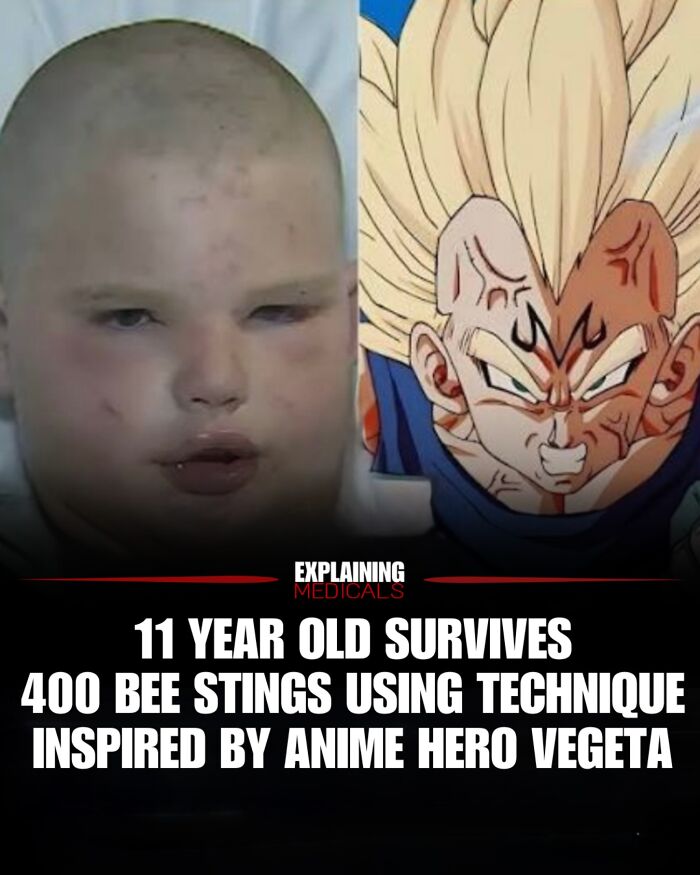
In February 2017, Andrew Kunz, an 11-year-old from Safford, Arizona, survived a terrifying encounter with a swarm of Africanized bees. While shooting BB guns at an old car with a friend, Andrew unknowingly disturbed a hidden hive, triggering over 400 bee stings. Despite being allergic, he remained conscious by imagining himself as Vegeta from Dragon Ball Z, drawing on the character’s strength to endure the pain. A volunteer fire chief rushed into the swarm, rescuing him, and Andrew was flown to Phoenix Children’s Hospital for treatment. When asked how he stayed awake, he credited his survival to channeling his inner Vegeta, turning fear and pain into focus and resilience. This story highlights the remarkable power of mental fortitude and courage in life-threatening situations.
© Photo: explaining.medicals
#47
Eating a banana during your period may help ease cramps slightly because bananas contain magnesium and potassium, two minerals that support normal muscle function and may help reduce muscle tightness. Since menstrual cramps happen when the uterus contracts, nutrients that support muscle relaxation can be helpful. Bananas also provide vitamin B6 and natural carbohydrates, which may help with energy and mood during menstruation. While a banana is not a cure for period pain, it can be a simple, healthy food that may support the body during the menstrual cycle.

© Photo: explaining.medicals
#48
Small acts of physical care, like giving your partner a foot massage, can have meaningful psychological and emotional benefits. Studies in Psychology show that supportive touch can help lower levels of Cortisol, the body’s primary stress hormone, while encouraging the release of Oxytocin, a hormone associated with bonding, trust, and emotional connection. Touch-based activities such as massage can also stimulate circulation, relax muscles, and promote a feeling of calm throughout the body. Because the Feet contain many nerve endings, gentle pressure and massage can help relieve tension and create a relaxing effect that improves overall mood. Beyond the physical benefits, gestures like this communicate care and attention. Taking a few minutes to help your partner relax can strengthen emotional closeness, improve communication, and reinforce feelings of appreciation within a relationship. Sometimes, simple actions can have a surprisingly powerful impact on both stress levels and relationship satisfaction.

© Photo: explaining.medicals
#49
Many people think oranges are the top fruit for skin health, but guava actually contains far more vitamin C, a key nutrient involved in the body’s natural collagen production. In fact, guava can contain up to five times more vitamin C than an orange, making it one of the most nutrient-dense fruits for supporting skin and tissue health. The body uses Vitamin C to help produce Collagen, the structural protein responsible for maintaining skin elasticity, joint strength, and connective tissues. While fruits don’t contain collagen itself, they provide nutrients that stimulate the body to produce it naturally. Guava is also rich in Lycopene, a powerful antioxidant associated with protecting cells from oxidative stress and supporting overall skin health. Because of this unique combination of nutrients, Guava is often considered one of the best fruits for supporting the body’s natural collagen production and overall nutritional balance.

© Photo: explaining.medicals
#50
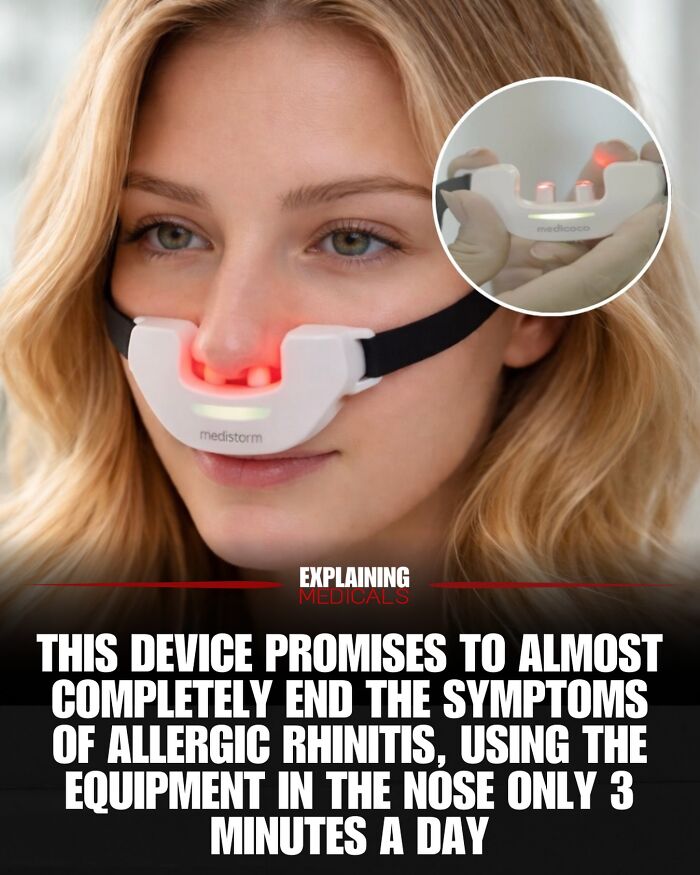
Allergic rhinitis commonly known as nasal allergy or hay fever occurs when the immune system overreacts to harmless airborne particles such as pollen, dust mites, or pet dander. When these allergens enter the nose, immune cells release histamine and other inflammatory chemicals, causing symptoms like sneezing, nasal congestion, itching, and a runny nose. New medical devices are being developed to help control these symptoms using targeted stimulation inside the nasal cavity. Some of these devices work by delivering gentle light, heat, or micro-stimulation to the nasal tissues for a few minutes each day. Biologically, this can influence the nasal mucosa and local immune response, helping reduce inflammation and the release of histamine that triggers allergy symptoms. By calming the overactive immune reaction in the nasal lining, these treatments aim to improve breathing and decrease the frequency of sneezing and congestion. While early studies suggest potential benefits for people with persistent allergies, such devices are usually designed to support existing treatments rather than completely replace medications. As research continues, non-drug technologies like these may offer a convenient way to help manage chronic nasal allergies with short daily sessions and minimal side effects.
© Photo: explaining.medicals
#51
Breast milk is the only natural food that provides a complete balance of nutrients required for early human life. It contains the right proportions of proteins, fats, carbohydrates, vitamins, and minerals, along with antibodies, enzymes, and hormones that support an infant’s growth, immune protection, and development. Organizations like the World Health Organization (WHO), the Centers for Disease Control and Prevention (CDC), and the American Academy of Pediatrics recognize breast milk as uniquely adapted to meet a baby’s needs during the first months of life. As humans grow, nutritional requirements become more complex, which is why no single food can provide everything the body needs beyond infancy.

© Photo: explaining.medicals
#52
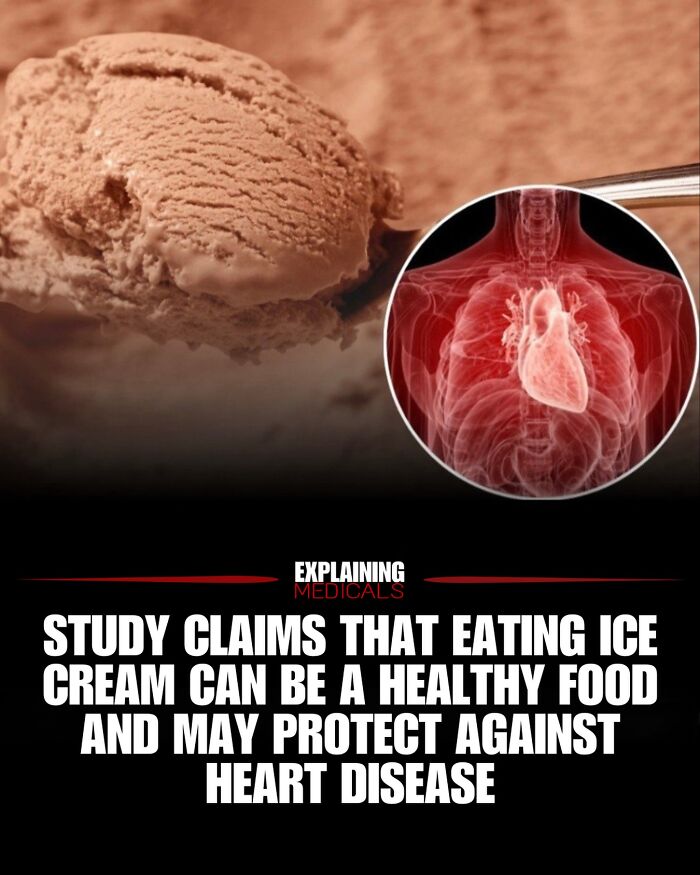
Some nutrition studies have explored an interesting idea: certain full-fat dairy foods, including occasional servings of Ice Cream, may not be as harmful to heart health as once believed. In fact, some research has found associations between moderate consumption of whole-fat dairy and a slightly lower risk of conditions such as Heart Disease and Type 2 Diabetes when compared with certain highly processed or low-fat alternatives. Scientists believe this effect may be linked to nutrients naturally found in dairy products, including Calcium, beneficial fatty acids, and other bioactive compounds that can influence metabolism. These components may help support balanced cholesterol levels and improve how the body manages insulin, which plays a key role in blood sugar regulation. However, researchers emphasize that these findings do not mean unlimited desserts are healthy. Ice cream still contains added sugars and calories, so portion size and overall dietary habits remain important. When enjoyed occasionally as part of a balanced diet that includes fruits, vegetables, whole grains, and regular physical activity, a small serving of ice cream may fit into a healthy lifestyle. This information is intended for educational purposes only and should not replace advice from a qualified healthcare professional.
© Photo: explaining.medicals
#53
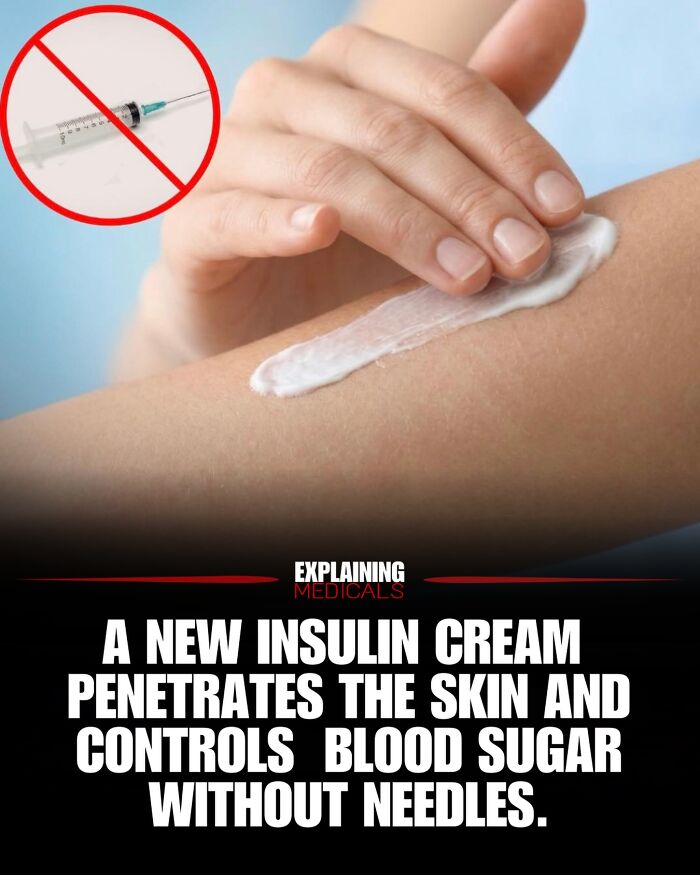
Researchers are developing a new type of insulin cream designed to deliver medication through the skin, potentially offering an alternative to traditional injections for people with Diabetes. The concept relies on Transdermal Drug Delivery, a method that allows medications to pass through the skin and enter the bloodstream. Special formulations and microscopic carriers help the insulin penetrate the skin barrier so it can help regulate blood sugar levels. Insulin plays a crucial role in controlling Glucose in the body by helping cells absorb sugar from the bloodstream. For many patients, especially those with Type 1 Diabetes, insulin injections are currently required multiple times a day to maintain healthy glucose levels. If proven safe and effective through clinical trials, insulin creams or patches could make diabetes management less invasive and more convenient, reducing the need for frequent needle injections. Although the technology is still under research and development, it represents a promising step toward simpler and more comfortable treatments for diabetes in the future.
© Photo: explaining.medicals
#54
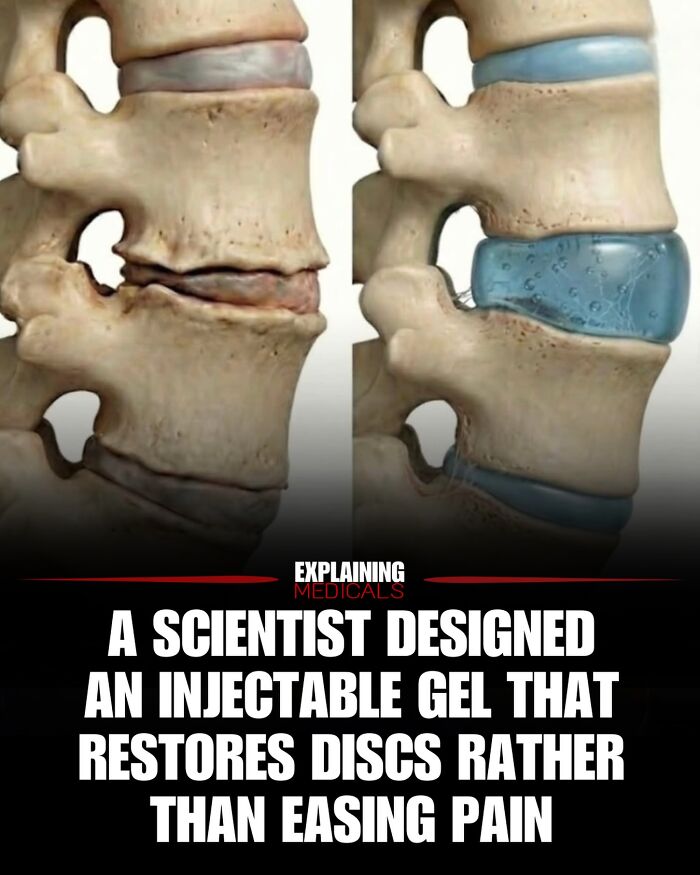
Chronic back pain can slowly take over daily life, making simple tasks like bending, sitting, or walking uncomfortable. For many people, current treatments mainly reduce pain without repairing the damaged spinal discs that cause the problem. Researchers are now exploring a promising solution: an injectable hydrogel designed to regenerate spinal disc tissue. This advanced gel is engineered to mimic the soft, cushion-like center of spinal discs. Using a minimally invasive injection, doctors can deliver the hydrogel directly into damaged discs. Once inside, it helps restore disc height, improve hydration, and provide structural support. Some versions are also designed to carry stem cells, which may help stimulate natural tissue repair while reducing inflammation around the affected area. Early clinical research suggests that patients may experience reduced pain and improved mobility after treatment. By targeting the underlying structural damage rather than simply masking symptoms, scientists believe this technology could eventually reduce the need for invasive procedures like spinal fusion surgery. While still under study, hydrogel-based therapies are becoming an exciting area of regenerative medicine, aiming to help the body repair itself rather than just manage pain. References: BBC, Reuters, National Geographic, Smithsonian Magazine.
© Photo: explaining.medicals
#55
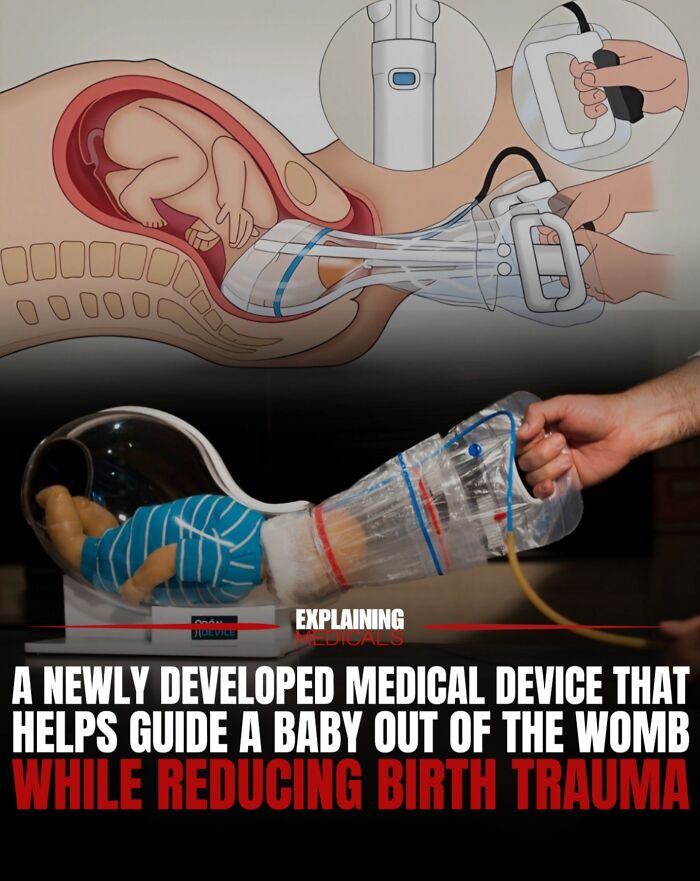
An Argentine mechanic turned a moment of everyday curiosity into a breakthrough that could change childbirth forever. Jorge Odón noticed how a cork could be safely pulled from a bottle and asked a simple but powerful question: what if the same principle could help deliver a baby? Using a jar as a uterus, a doll as the baby, and a hand-sewn plastic bag in his kitchen, he created what is now known as the Odón Device.
The device is a soft plastic sleeve with an inflatable air chamber that gently grips the baby’s head, allowing doctors or midwives to guide the baby out of the birth canal with controlled traction. Unlike forceps or vacuum extractors, it reduces pressure on both the baby’s skull and the mother’s birth canal, lowering the risk of injury, bleeding, and complications.
Backed by the World Health Organization, clinical trials in Argentina and South Africa showed promising safety and effectiveness, especially in low-resource settings. Experts believe the Odón Device could transform obstetric care in rural and underserved regions by offering a safer, simpler, and more affordable alternative for assisted vaginal delivery. What began as a kitchen experiment now stands as proof that human creativity can literally help bring new life into the world.
© Photo: explaining.medicals
#56
A rare medical case drew attention after a 58-year-old woman sought medical care complaining of chest discomfort and difficulty swallowing a few hours after taking her nighttime medication. During examination, doctors discovered an unusual object lodged in her Esophagus measuring about 2.5 cm.
Surprisingly, the object turned out to be a tablet still sealed inside its blister packaging—the rigid plastic and aluminum strip commonly used to store medications. Because the pill had not been removed from the packaging before being swallowed, the sharp edges of the pack became stuck in the esophagus.
Doctors successfully removed the object using an Endoscopy, a procedure that allows physicians to view and retrieve objects from the digestive tract using a flexible camera-equipped instrument. After treatment for mild local irritation, the patient recovered and was discharged without major complications.
Although uncommon, accidental ingestion of packaging has been reported in medical literature. Experts note that the risk can be higher among elderly individuals, people with vision difficulties, or patients taking multiple medications at once. Medical professionals emphasize a simple but important precaution: always remove tablets completely from their packaging before swallowing them to avoid potential injury to the digestive system.

© Photo: explaining.medicals
#57
In April, 8-year-old Brayden Auten from Wisconsin went from complaining of a seemingly mild stomach ache to facing a life-threatening medical crisis. Within days, doctors confirmed that his liver was failing, and his condition deteriorated rapidly. As his liver stopped functioning completely, his family underwent testing to see if any of them could be a donor, but unfortunately, none were compatible. With time running out, doctors urgently searched for a suitable donor to save Brayden’s life.
That’s when Cami Loritz, a nurse working in the transplant intensive care unit and personally caring for Brayden, made a courageous decision. Deeply moved by the boy’s situation, she volunteered to become a living liver donor. On May 14, she underwent surgery to donate a portion of her liver. The same day, Brayden received the transplant, giving him a second chance at life.
The procedure was a success, and Brayden’s recovery was remarkable. Months later, he reunited with Loritz, now thriving and calling her his “big sister”, a heartfelt reminder of the life-changing impact of her generosity.
Beyond saving Brayden, Loritz has used her story to raise awareness about living organ donation, inspiring others to consider stepping up to help those in critical need. Her actions illustrate that sometimes the person who can make the biggest difference is already standing close to you, demonstrating the profound connection between compassion, courage, and life-saving medical care.

© Photo: explaining.medicals
#58
In an inspiring act of solidarity, Dr. Eduardo Mattos, an orthopedist from Ponta Grossa (PR), performed surgery free of charge on a baby born with polydactyly, a condition where extra fingers develop. The family had been organizing a raffle to cover the procedure when the doctor learned of their situation through a friend. Choosing to waive his fees, Dr. Mattos covered only hospital and staff costs. The surgery was successful, lasting just 30 minutes, and the baby was able to go home immediately after recovering from anesthesia, highlighting both medical skill and human compassion.

© Photo: explaining.medicals
#59
Human body temperature perception varies significantly from person to person due to differences in metabolism, hormones, circulation, muscle mass, body fat, and nervous system activity. This is why couples often experience the same room temperature completely differently. Research suggests women may feel colder more often because of differences in blood circulation and heat distribution. The body naturally prioritizes keeping vital organs warm, which can reduce blood flow to the hands and feet. Men, on average, tend to produce more body heat due to higher muscle mass and metabolic rate. Hormones such as estrogen and thyroid hormones also influence how the body regulates temperature. Stress, sleep, hydration, and even emotional state can further affect whether someone feels too warm or too cold. The human body constantly works to maintain a stable internal temperature but everyone’s biological “thermostat” operates a little differently.

© Photo: explaining.medicals
#60
Medically, knee problems can range from mild joint pain to severe conditions like ligament damage or advanced osteoarthritis, which may significantly affect mobility and daily functioning. In legal and medical systems, such conditions are only considered for disability-based retirement or benefits if they cause a substantial loss of earning capacity or functional movement, as certified by authorized medical boards. From a biological and orthopedic perspective, knee disorders affect the cartilage, ligaments, bones, and synovial fluid, leading to inflammation, pain signals through sensory nerves, and reduced joint stability. In severe cases, degeneration of cartilage and chronic inflammation can make walking, standing, or working physically demanding. However, retirement on disability grounds is not automatic. It requires formal evaluation under government or institutional disability rules, where doctors assess the degree of impairment, mobility limitation, and long-term impact on work ability. Only then can a person be classified under disability categories that may support early retirement or compensation benefits.
© Photo: explaining.medicals
#61
A 35-year-old woman was reportedly diagnosed with Skin Cancer after years of wearing acrylic and gel nails cured under ultraviolet lamps. Her story has sparked concern among beauty enthusiasts about the potential risks associated with frequent exposure to UV nail lamps used during manicures. Many salons use curing devices that emit Ultraviolet Radiation to harden gel or acrylic nail products. While the exposure is usually brief, repeated sessions over long periods may contribute to skin damage around the fingers and nail beds. In rare cases, skin cancers such as Subungual Melanoma can develop under or around the nail. Because acrylic or gel nails cover the natural nail surface, early warning signs—like discoloration, dark streaks, or changes in the nail bed—may go unnoticed for longer. Health experts generally recommend simple precautions for people who regularly get gel manicures, such as applying broad-spectrum sunscreen to the hands before UV exposure, wearing protective gloves designed for nail lamps, and paying attention to unusual changes around the nails. The woman is now sharing her experience to raise awareness, reminding others that while beauty treatments are common, monitoring skin health and protecting against unnecessary UV exposure is important for long-term safety.
© Photo: explaining.medicals