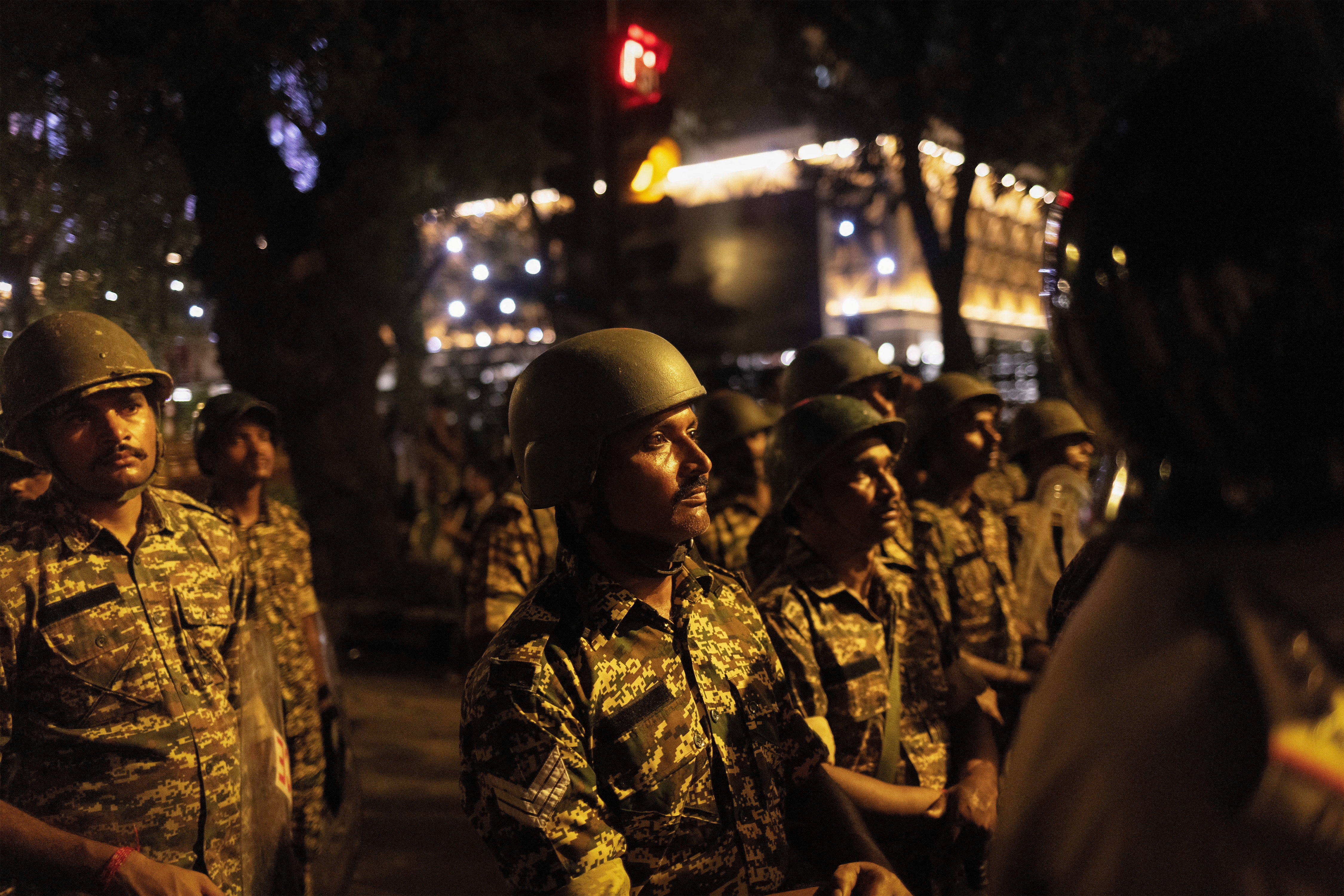
As tens of thousands of GenZ protesters take to the streets of Delhi demanding the resignation of the country’s education minister, the scenes in India's capital have been widely compared with recent popular uprisings in several countries across South Asia.
Youth-led movements in recent years have overthrown governments in neighbouring Sri Lanka, Bangladesh and Nepal – the latter seeing the government of KP Oli ousted less than a year ago.
Like with the demonstrations in India, the origins of all those popular uprisings can be traced to online dissent that quickly turned into physical action.
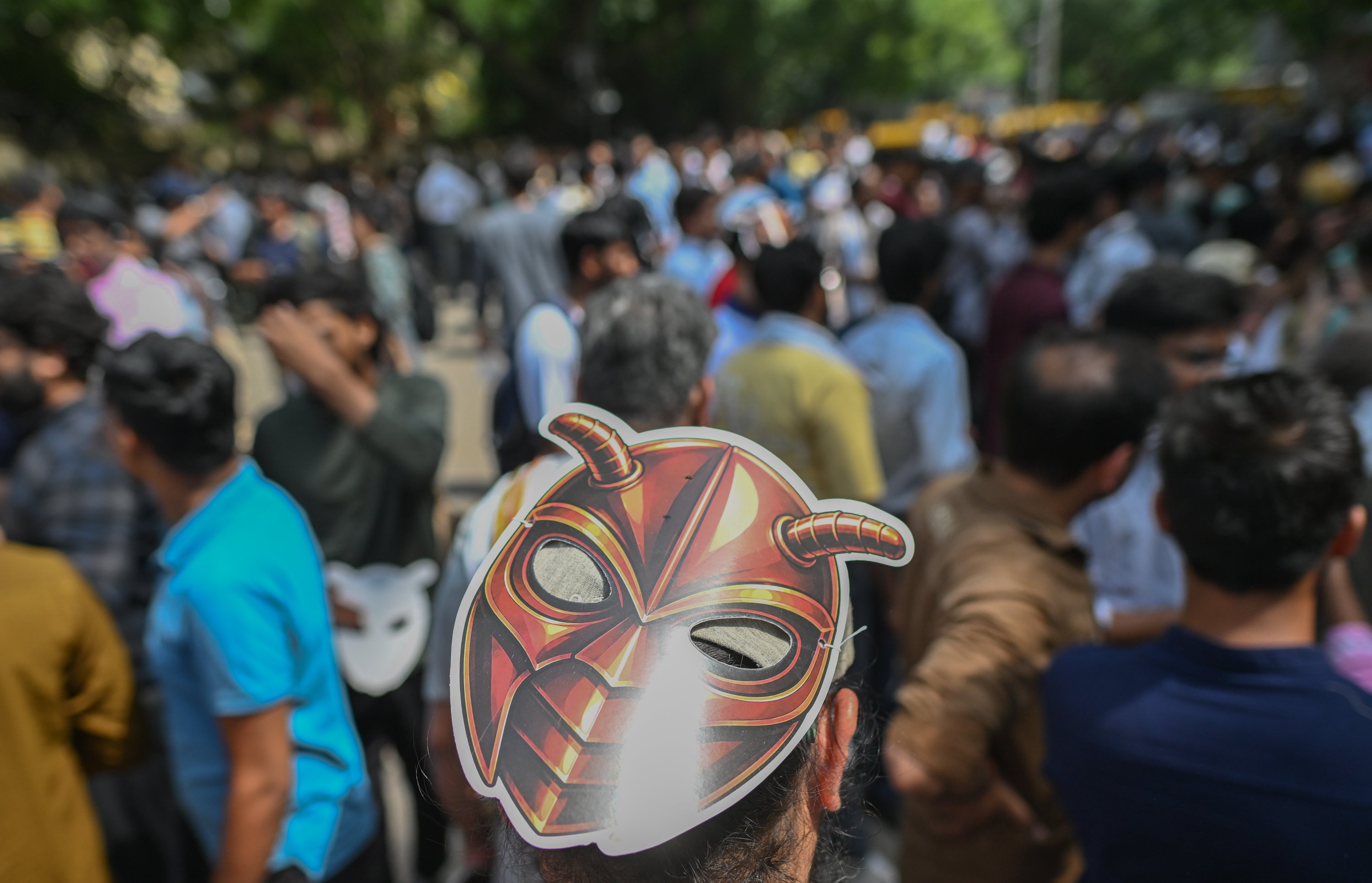
The “cockroaches”, as the protesters in India call themselves, took their name as a mocking response to a pointed comment from India’s top judge, Justice Surya Kant.
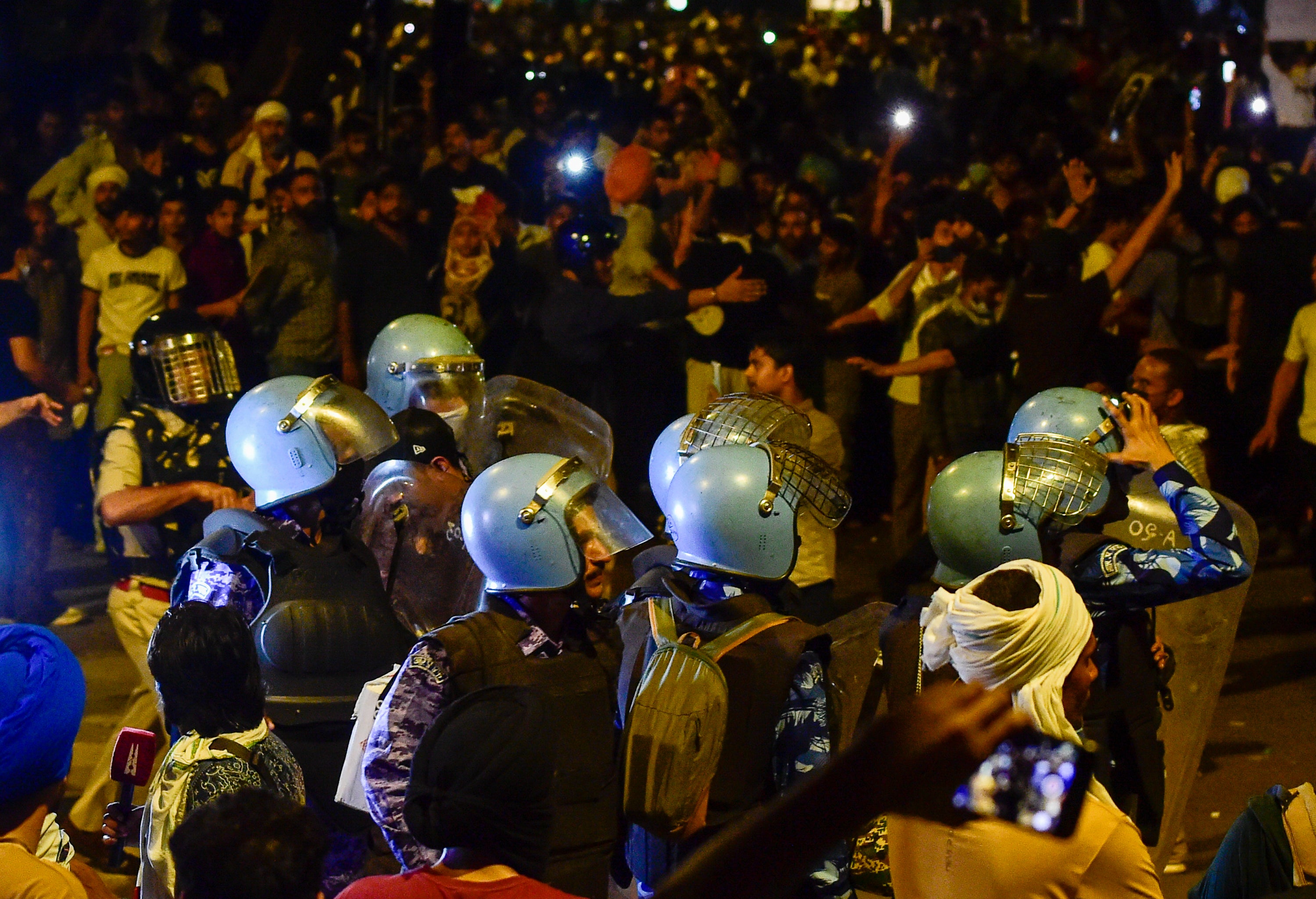
During a hearing in May, the chief justice of India compared the unemployed youth to roaches, while responding to the criticism of Indian judiciary on social media.
“There are youngsters like cockroaches, they don't get any employment, they don't have any place in profession," he said. He later clarified that his comments were misunderstood. But it was too late.
Days after the remarks, Abhijeet Dipke, a 30-year-old with a master's in public relations from Boston University, launched the Cockroach Janta Party - the voice of the lazy and unemployed – as a satirical online collective, and an obvious play on prime minister Narendra Modi’s Bharatiya Janata Party.
"In India, if you're rich, the system dances at your fingertips. If you're poor, nobody will be there for you," Dipke told NPR. "We're frustrated because the government has stopped listening."
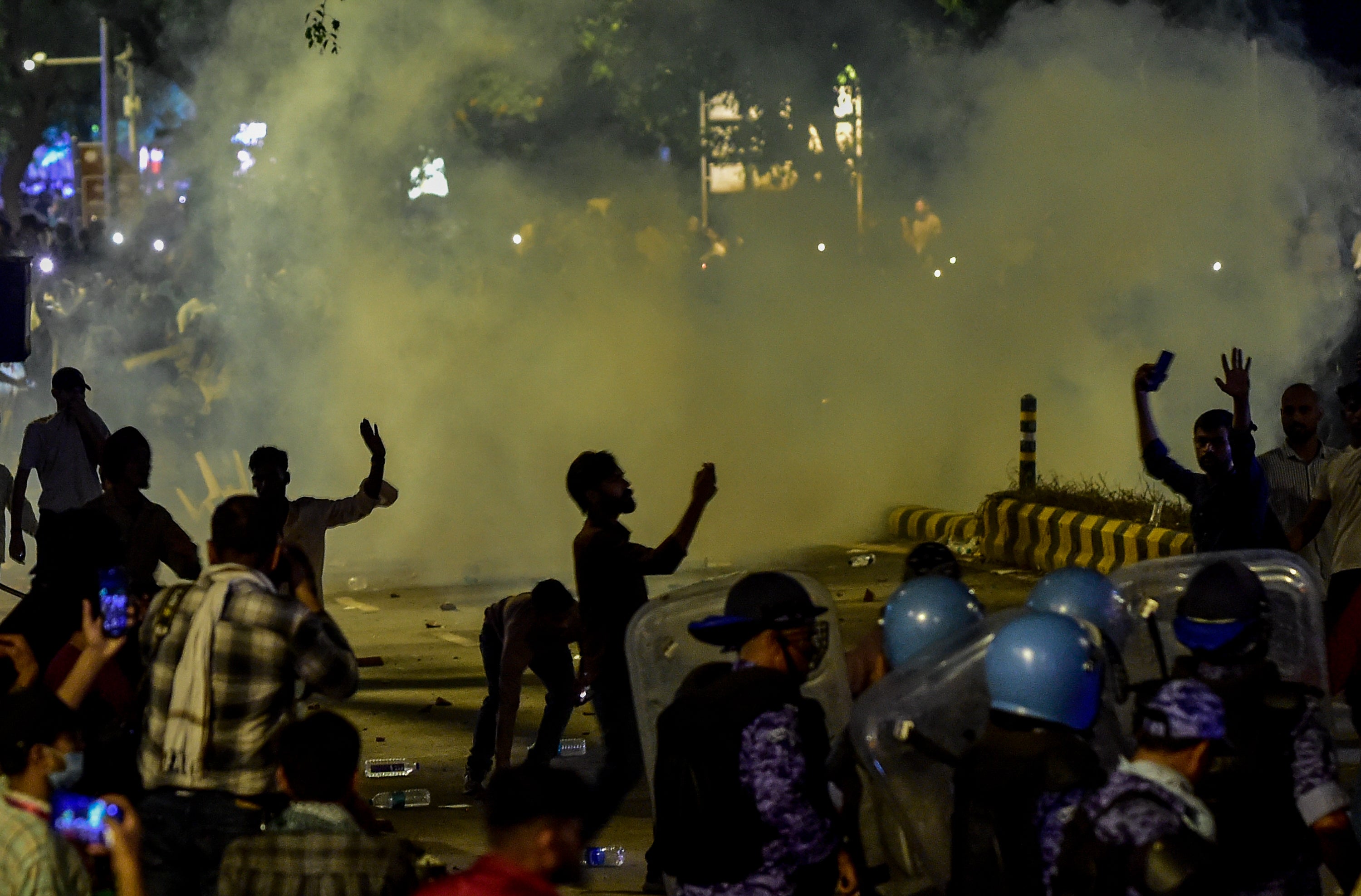
The movement exploded online, drawing tens of millions of followers and quickly eclipsing the BJP's own social media presence. But the movement has since then rapidly evolved into something much more politically potent.
Its rapid rise reflects a broader pattern that has emerged across South Asia and beyond, where online outrage has repeatedly spilled into mass street mobilisation.
"The movements have become remarkably similar," says Saskia Brechenmacher, a senior fellow at the Carnegie Endowment who researches civil society and democratic governance.
"We have youth-led movements that have emerged in the past few years that are often triggered, like in India, by not by some big concern about democratic backsliding or government overreach, but it's really about sort of a specific grievance that has come to symbolise broader governance failures."
The similarities with neighbouring countries are striking.
Bangladesh's 2024 uprising began with what appeared to be a demand from university students seeking the abolition of quotas in civil service recruitment, where a significant proportion of jobs were reserved for descendants of veterans of the country's 1971 war of independence.
The protests eventually evolved into a nationwide anti-government movement.
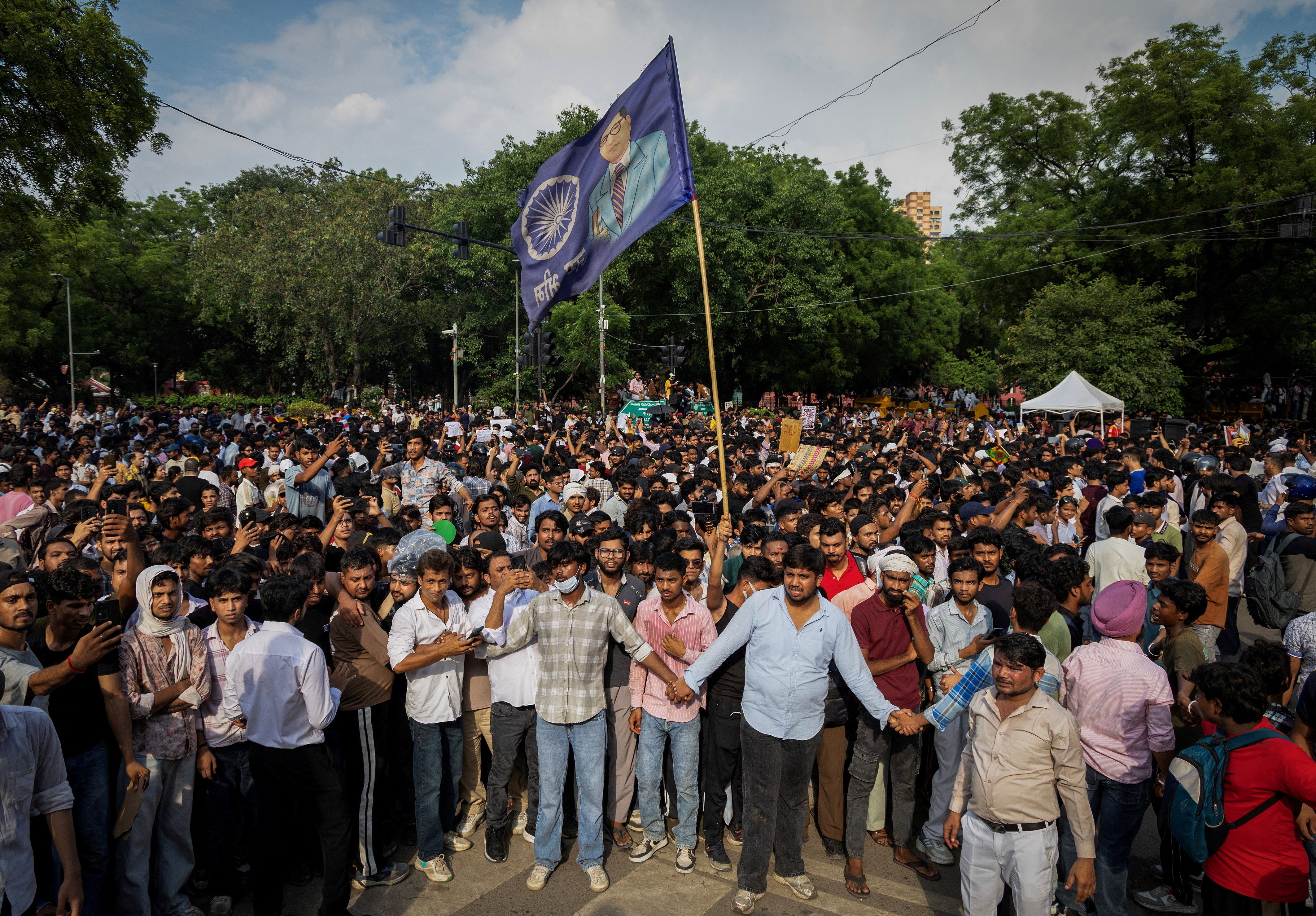
"The exams [in India] are really important to their economic future and there's a lot of stakes associated with making it into those institutions of higher learning and so it comes to symbolise something bigger and we've seen something similar in other countries."
Yet analysts argue that despite their different origins, these movements were all driven by a shared feeling of injustice. Economic anxiety, rather than concerns about democracy backsliding, has repeatedly proved to be the catalyst.
Social media has accelerated this process by allowing frustrations that once remained local to spread nationally within hours.
They amplify grievances that already exist, particularly in societies where educated young people face shrinking opportunities despite rising aspirations.
Brechenmacher argues that such movements are most likely to emerge in countries combining relatively open political systems with deep structural inequalities.
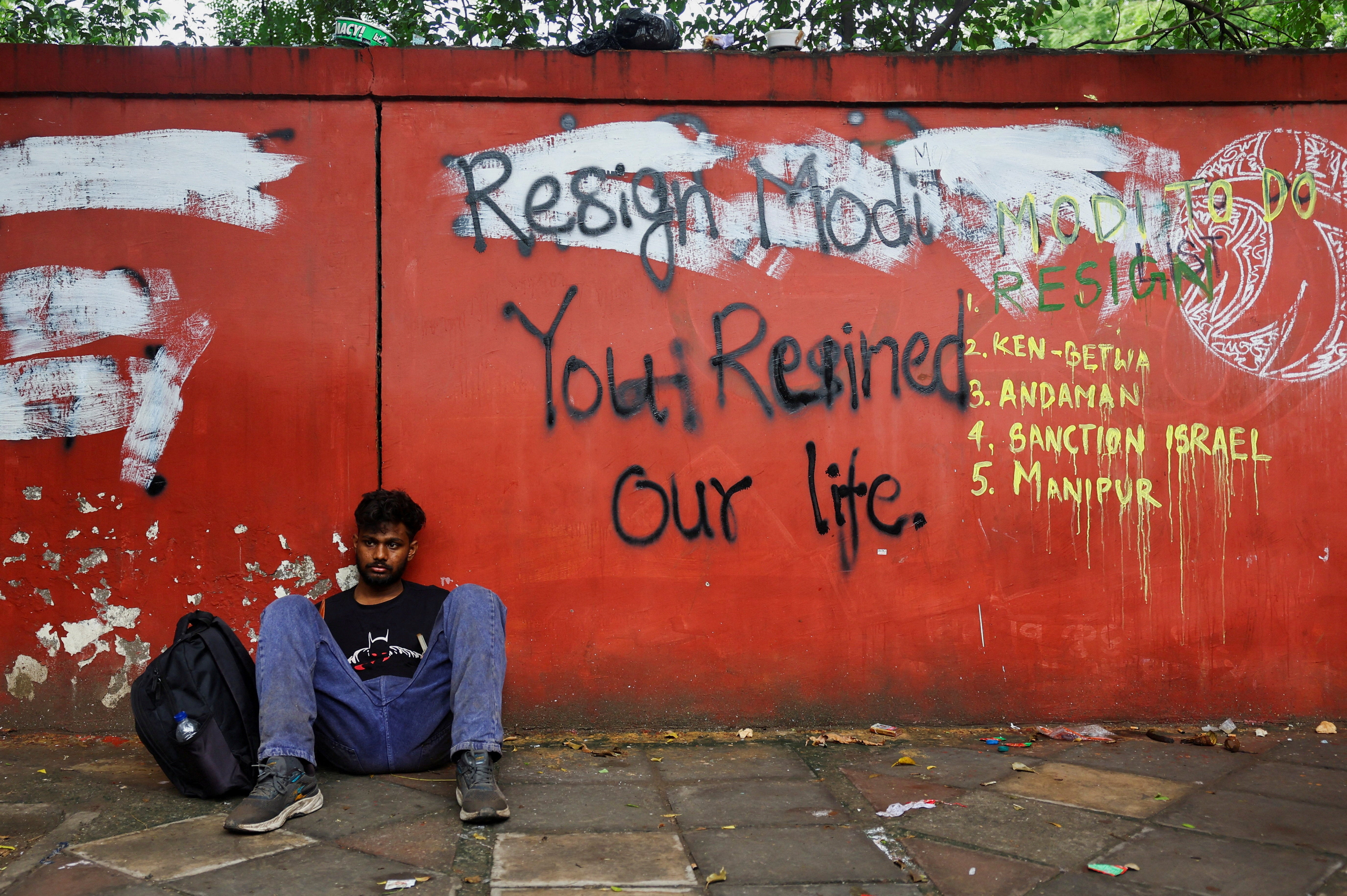
The ingredients include a well-educated population, access to digital platforms and enough political space for public mobilisation, alongside corruption and unequal distribution of economic opportunities.
The internet further sharpens perceptions of inequality.
"People have expectations for a better life. They see on the internet how the other half lives," Brechenmacher says.
"This was certainly a pattern in Nepal where ... young people were seeing how politicians and their relatives were living on social media, and so that creates a profound sense of unfairness. That combined with some space for mobilisation even though it is constrained."
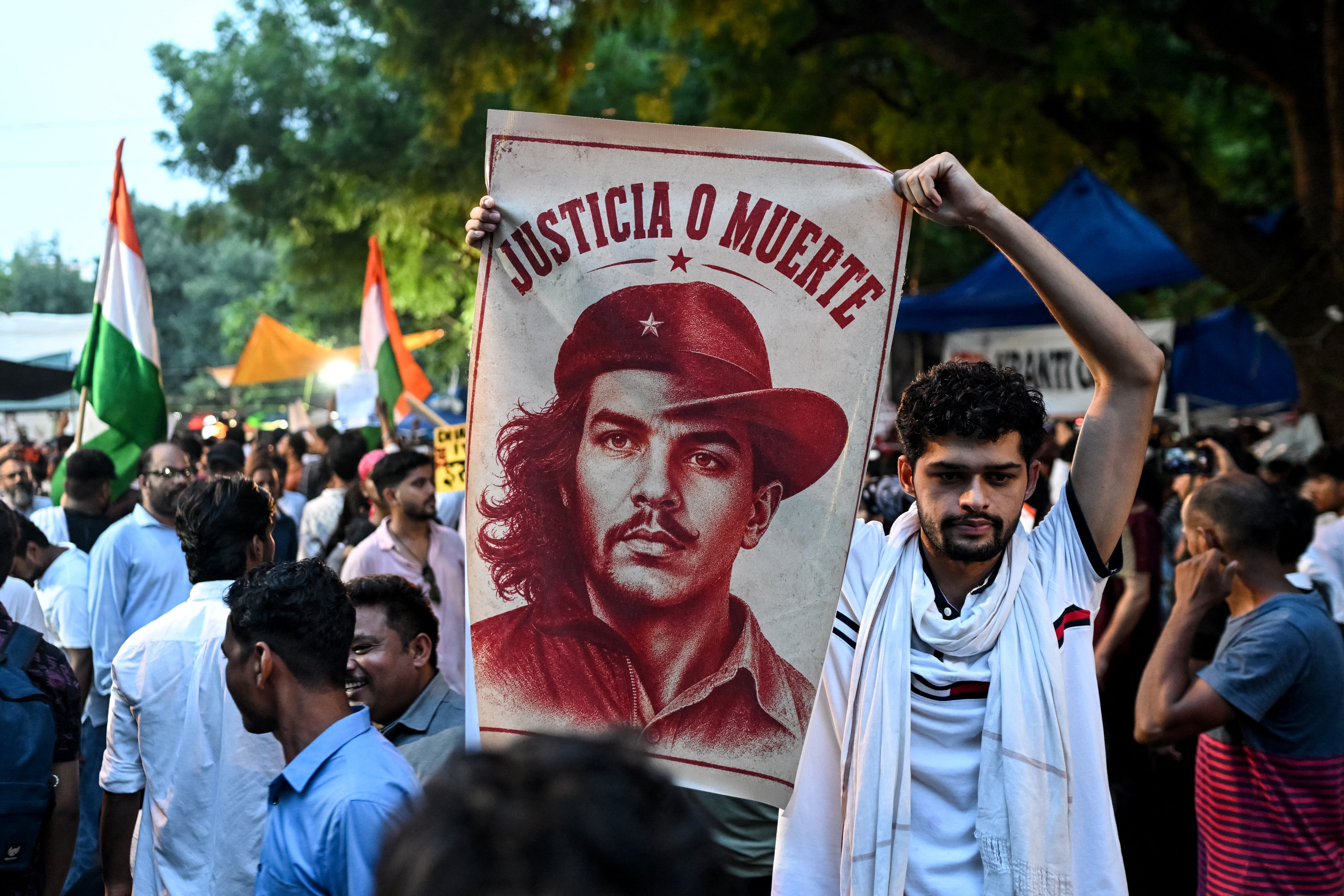
For many young Indians, allegations surrounding examination irregularities have come to represent precisely that broader sense of unfairness, not simply frustration over one test, but over a system they believe increasingly rewards privilege over merit.
The immediate trigger for the demonstrations was the cancellation of the National Eligibility cum Entrance Test (NEET), India's undergraduate medical school entrance exam, after its question papers were found to have been leaked. About two million students across India took the exam on 3 May, but it was later scrapped, with about a dozen student suicides linked to its cancellation. A re-test was held in June.
Youth-led protests typically gather momentum not because people set out to defend abstract democratic ideals, but because a personal grievance begins to reflect wider systemic failures, explains Duncan Green, a professor at the London School of Economics.
"It's something that's stopping you living the life you want to live. It tends not to be more abstract concepts of rights and democracy but often the initial trigger is personal, but then it acquires a a more political or more systemic character, and that's what we've seen in a number of the Gen Z protests."
In India, what began as demands for education minister Dharmendra Pradhan's resignation has expanded, with some protesters now calling for prime minister Narendra Modi to step down.
Yet analysts caution that escalating demands do not necessarily translate into revolutionary outcomes.
Bangladesh, Nepal, and Sri Lanka, where governments ultimately collapsed under sustained public pressure, remain exceptions rather than a template for every youth movement.
A key difference, Brechenmacher argues, is whether citizens continue to believe they have functioning democratic avenues through which they can pursue change.
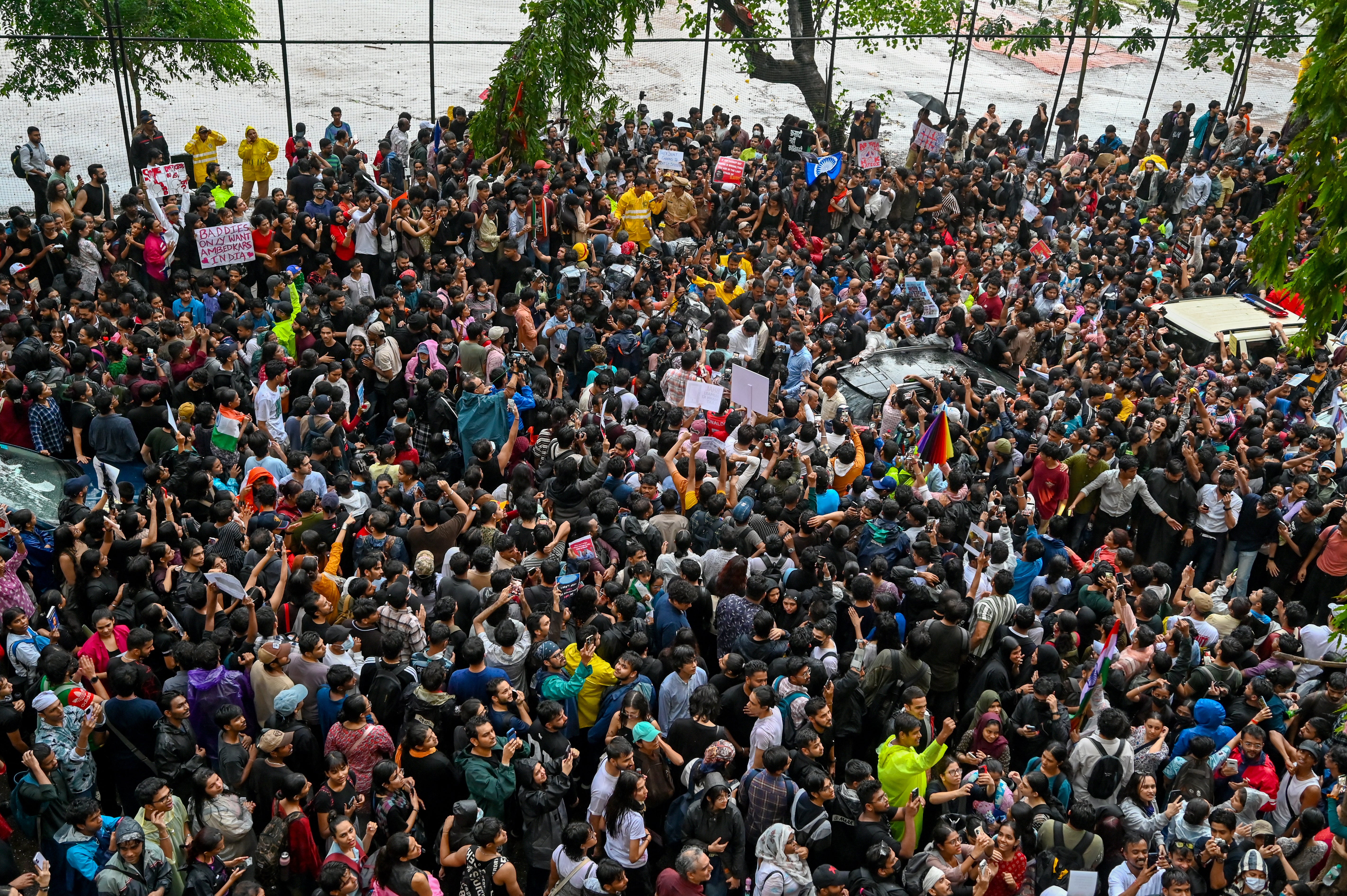
"So as long as there's still a sense that we will have elections this year or next year, and this will be our opportunity to vote out these people, then the need to immediately kick them out decreases. Because you still have this institutional avenue. Do you still have the courts, to fight these battles? Do you feel like the courts are still independent?"
Critics of the Modi government have increasingly questioned the independence of institutions and the fairness of elections.
Even so, experts remain sceptical that India is on the verge of the kind of mass uprising witnessed elsewhere in the region.
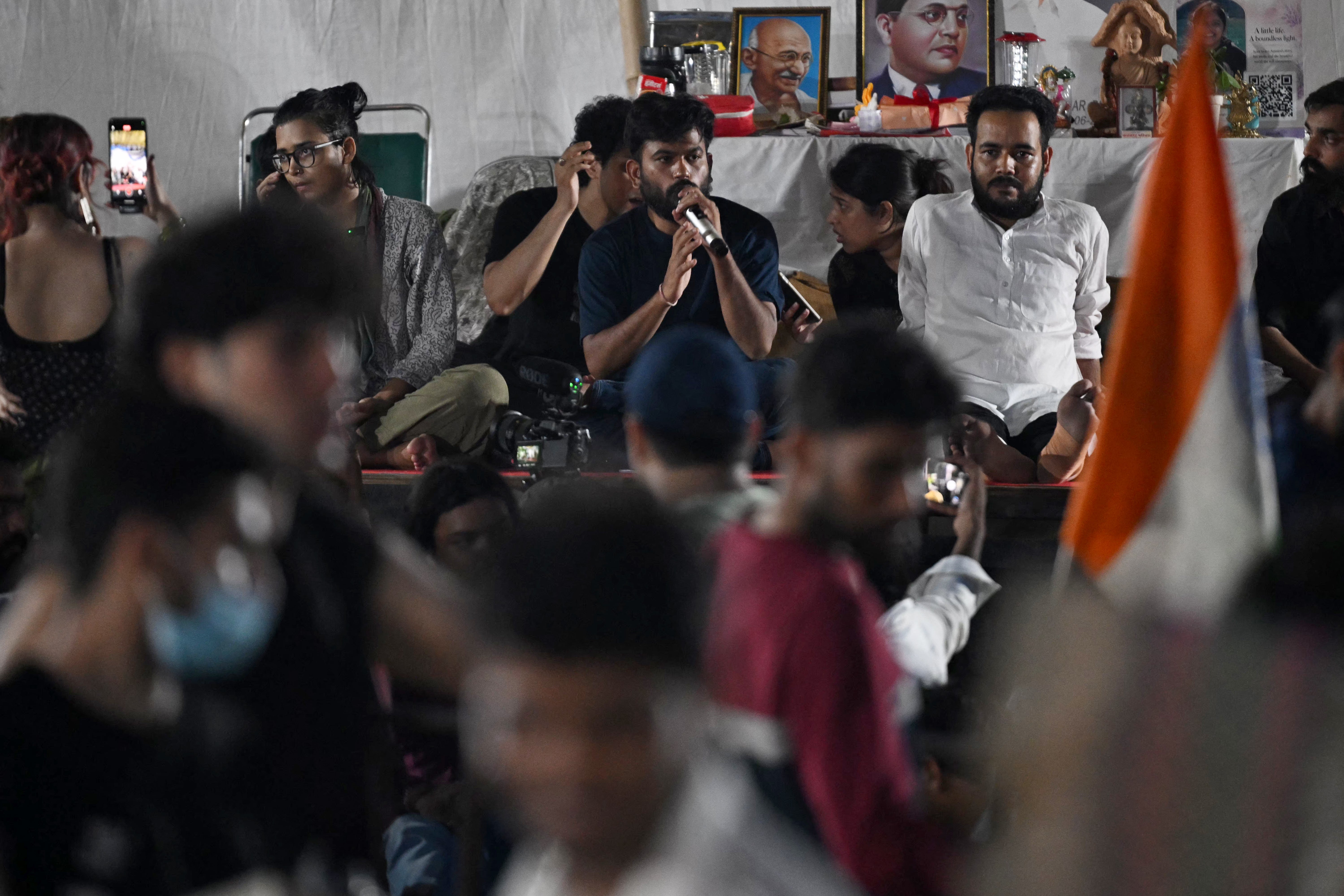
Green argues that protest movements rarely succeed on their own. Governments fall only when the state's own institutions begin to fracture.
"Protest movements don't win alone. The regime also has to lose. And the ones which are not lost are ones where the state has stayed united, where the armed forces have not allowed the governments to fall."
That distinction helps explain why superficially similar protests can produce dramatically different outcomes.
Social media may allow campaigns to emerge almost overnight, but sustaining them presents a different challenge altogether.
Digital platforms excel at mobilisation and coordination.
They are far less effective at creating the organisational structures needed to negotiate with governments, influence policy or transform a protest movement into a lasting political force.
Leaderless movements, Green notes, “prevents burnout".
"It means you can't be co-opted, you can't be repressed so easily.”
But that strength can quickly become a weakness once governments begin responding.
"You can't just stay on the streets forever. At some point you have to achieve something, negotiate something, maybe compromise on something, and for that to happen you need representatives. So either the movement generates its own leaders or other people will come in and fill that space. But it won't remain, there won't just be this amorphous leaderless thing."
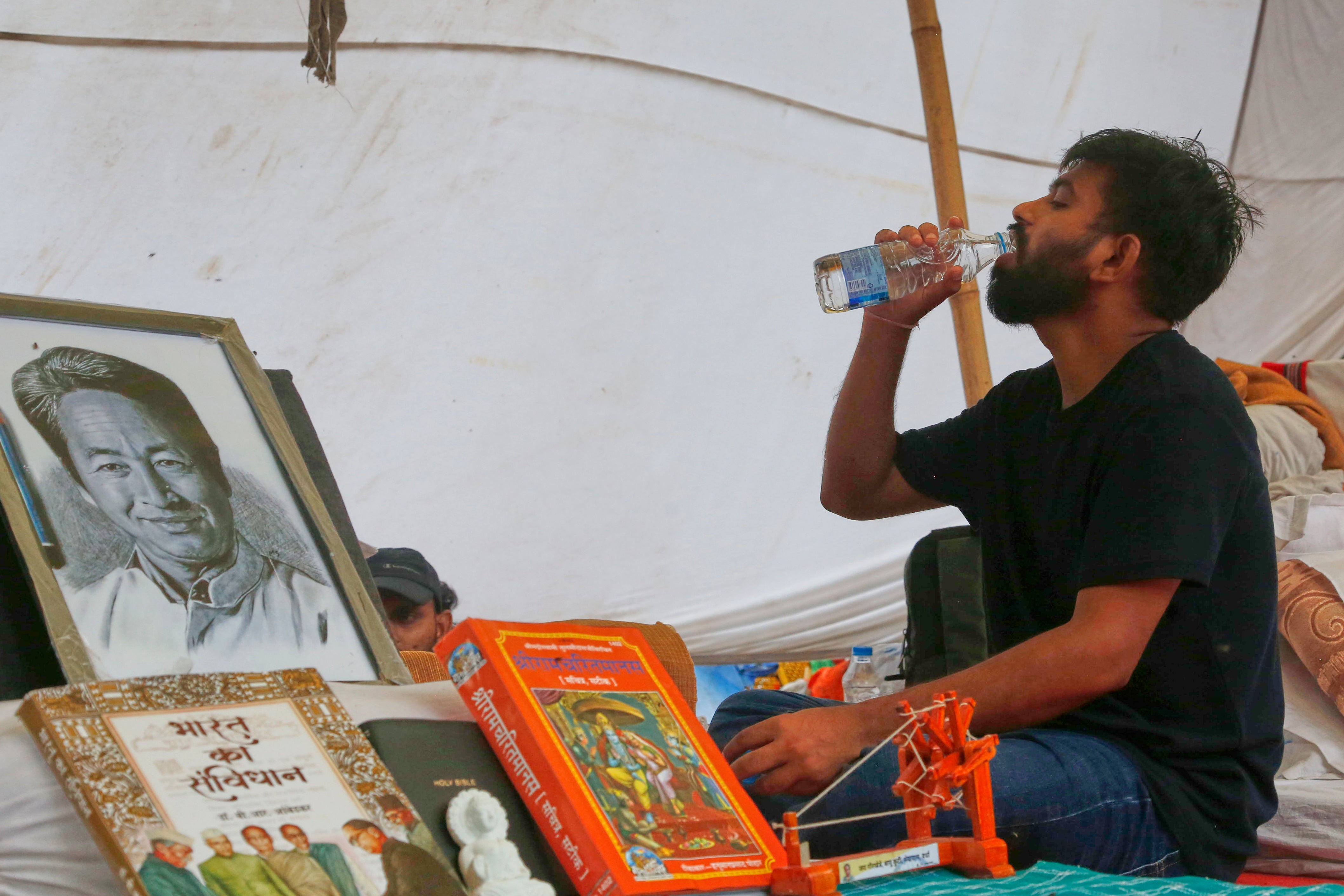
In India, Dipke has emerged as one of its most recognisable figures, while activist Sonam Wangchuk became another prominent face and his detention after an extended fast galvanised wider public support. Meanwhile, CJP spokespersons Saurav Das and Ashutosh Ranka were invited by federal minister JP Nadda for talks, signalling that the government has recognised the movement as one it cannot simply ignore.
Whether that translates into lasting political influence, however, is another question.
"In the past with these nonviolent resistance campaigns, they were built to sort of very arduous on the ground organising not just in one city or one place, but across India," says Brechenmacher, referring to India’s freedom movement.
"The social media aspect, it doesn't really fully replace that as trying to turn out people for a protest is a really different task than building a long-term political infrastructure that can make decisions and have leaders and can run for elections, and sometimes how effective movements are is dependent on how, how well they're able to make that shift, because ultimately also running, you know, engaging with institutional politics, so endorsing candidates or trying to influence policy positions.
"You have to strike compromises. You might anger some people as part of your coalition, and so you need some, some infrastructure for making those compromises."
Ultimately, analysts say, the future of India's "cockroach" movement may depend less on how many followers it attracts online than on whom it persuades offline. A protest becomes politically dangerous only when it expands beyond its original supporters and begins eroding a government's core electoral base.
"So in India, how many BJP voters start sympathising with the protesters? Because if it's just people who are already seen as affiliated with the opposition, it's easier to dismiss or sideline than when it becomes a broader constituency that crosses some of these political divides," Brechenmacher says.