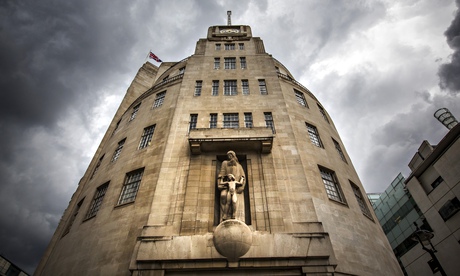
The BBC is too big, say critics and circling politicians. It needs to be cut down to size; £5bn a year from the licence fee and overseas sales makes it too powerful… Yet when Corporation chiefs murmur about competing with Apple (revenue last year: £111bn) there are snorts of derision. That’s comparing red, ripe apples with small, green pears. But note how quickly such metaphors turn to windfalls.
Twelve months ago, Top Gear was the BBC’s golden delicious: raising £50m worldwide, making Clarkson and his team some of the richest TV performers in Britain. But then he biffed a producer and the BBC decided he had to go. “A move from a biplane to spaceship,” he boasts inevitably. Goodbye, Portland Place: hello, Amazon, with its £57bn or so in revenue. The budget per episode – for a car show without a name – looks almost three times the £1.5m the BBC could afford.
In a wider context, such changes are happening fast. BT, with turnover of £18bn plus, is buying giant packages of TV sport. Sky, with revenues of just over £11bn, is fighting as seldom before. Netflix has billions to spend. American giants are expanding everywhere: Liberty on the point of buying another chunk of ITV, NBCUniversal to invest $250m in Buzzfeed. The temptation at takeover time – when, say, Nikkei pays £844m for the FT – is to see these deals in isolation. In fact, the information and entertainment world is solidifying.
The BBC, top sliced relentlessly by government, may still be a force in Britain and a brand of quality and creativity globally. Yet resources and opportunities are shrinking. “Small” doesn’t mean beautiful; it may mean peripheral. Some critics know this well. They want a nobbled BBC. Some politicians are less savvy. They don’t understand the blight that threatens Britain’s creative sector. There’s a warning for the BBC here. Why concentrate on digital news at the expense of drama and entertainment? The royal charter writers must see a world queuing up to buy BBC content. Why turn it away, failing to understand what may be lost?


.png?w=600)