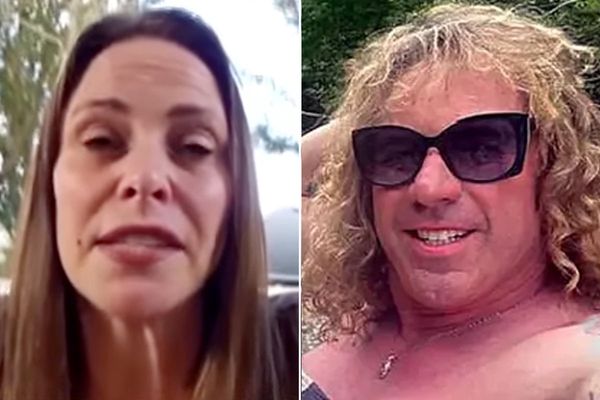
Last week, a 21-year-old black student, Lola Olufemi, found her photo splashed on a newspaper front page, accompanied by accusations that she had forced Cambridge University to drop white authors from its literature syllabus. The story was widely followed by other media outlets and Olufemi has spoken out about how her online accounts were flooded with racist and sexist abuse as a result. A correction was later issued that made clear that the key facts in the report, which should have been easily verifiable, were simply wrong.
The tone of our political discourse has coarsened in recent years, on both left and right. Words such as enemy and traitor are too easily tossed into the debate; since the Brexit referendum, toxic headlines such as “Crush the Saboteurs” and “Enemies of the People” crop up more often. But Olufemi’s treatment has the hallmarks of a new low: unverified accusations levelled against a young black student, not a public figure, in a way that was sure to create a public backlash against her.
We cherish our right to freedom of speech. That right means it is entirely possible to say and imply some hateful things that can cause an individual significant harm, all while treading on the right side of the law. But being on the right side of the law does not mean that those who take part in the political debate are absolved of any responsibility for thinking about the consequences of their actions. We all have the power to contribute to a culture and discourse that makes hatred and abuse more likely. Verbal abuse, in turn, can increase the risk of physical violence.
The tone of contemporary political discourse does Britons an injustice, because it does not reflect who we are as a society. Follow the headlines, listen in on political debates, and it might seem as though Britain is becoming a more polarised country, more hostile to outsiders.
But this ignores the fact that Britain is on the whole a tolerant and successful multicultural society. Research from Hope not Hate suggests that we have become more, not less, tolerant since 2011. Openly racist attitudes, as measured by surveys, have fallen significantly in recent decades. Yes, there are the concerns about immigration that were undoubtedly a factor in the vote for Brexit. But most of these concerns are driven by economic and cultural worries rather than open hostility to people of different ethnicities, nationalities and religions. The proportion of the English population whose hostilities to immigration are primarily driven along these lines, many of whom believe violence is an acceptable consequences of standing up for “what’s right”, has fallen from 13% to 5% in the past six years.
This must not lead to complacency. We may not be getting more extreme or intolerant as a whole society but there remains a small minority of the population who are open to messages of hate and toxic nationalism. And there are worrying signs that the intolerance of this very small minority is making itself more felt.
The number of hate crimes recorded by the police spiked after the Brexit referendum. Terrorist incidents at London Bridge and in Manchester this year triggered a significant increase in Islamophobic attacks, exactly the sort of division they are intended to create. Antisemitic hate crime is at record levels. Public figures and politicians from all sides, especially women and ethnic minorities, have spoken out about the abuse and threats they receive online.
This is unfolding against the backdrop of a volatile political context. As we get ready to leave the European Union, there is the potential for growing public anger if the benefits promised by politicians – falls in immigration, more resources for the NHS – do not come to pass. The longer politicians fail to admit that it is very likely there will be difficult trade-offs, the greater the risk that this will materialise. There is a far-right nationalist movement, led by the likes of Anne Marie Waters, the failed Ukip leadership contender who now has her own party, and the English Defence League founder, Tommy Robinson, which will attempt to capitalise on it if it does. Almost one in three referrals to Prevent, the government’s anti-extremism programme, is for people believed to be at risk of perpetrating far-right terrorism. There is no more terrible reminder of the dreadful consequences this can have than the tragic murder of the MP Jo Cox by a far-right terrorist 14 months ago.
We mustn’t allow the anger generated by the Brexit debate to obscure the fact that Britain is, on the whole, a liberal, tolerant and successfully multicultural country. But neither must we be complacent about the risks of the far-right nationalism that, in finding appeal among a tiny minority, could potentially jeopardise this. That means there’s an ever-greater burden of responsibility on those who partake in our political discourse to do so responsibly, with respect for consequences they may not always be able to predict.