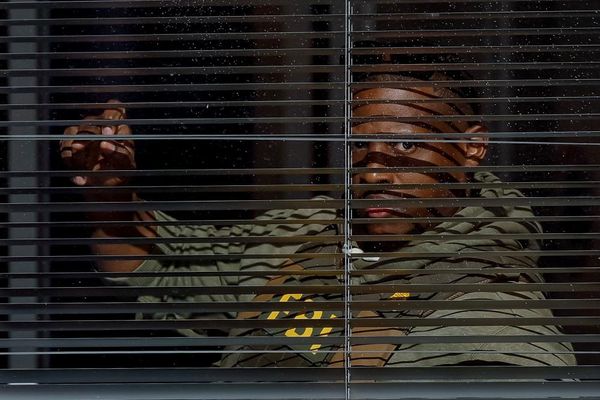
‘Some people have been in this building for 45 years and they are not people who can just walk on to yachts. These are people who have mortgages and shop at Asda.” So said a BHS employee leaving the company’s headquarters on Thursday after hearing that the 88-year retailer was to close.
The quote encapsulates the scandal of BHS’s collapse better than talk of a £571m pension deficit, £400m of dividends and £1 takeovers ever could. The demise of the retailer does not represent a failure of capitalism, but a failure of people to recognise their basic moral duties.
It is about the owners of BHS taking millions of pounds out the company, a billionaire offloading a struggling company to a man grossly underqualified to take it on, and the government not doing enough to stop it. It is about Philip Green and Dominic Chappell not recognising their moral duty towards 11,000 staff and doing their best for the company they owned. That is a sad indictment on them as men, not just as businessmen.
A high-profile corporate scandal such as this is usually a spark for outdated laws to be changed and new rules to be introduced. For example, the BHS debacle has made it clear that the regulation of Britain’s pension schemes needs to be dramatically tightened up. There is no way that a company with a £571m pension deficit should be sold without the trustees of the scheme having a say, nor should a company be able to thrust a 23-year recovery plan on to a pension scheme, as Green’s Arcadia did to BHS.
The evidence that MPs on the work and pensions committee and the business, innovation and skills committee have heard so far suggests the pensions regulator needs more funding and more teeth. This needs to happen quickly. The latest figures from the Pension Protection Fund show the combined liabilities of the defined benefit pension schemes in Britain are £300bn, with five out of six schemes nursing a deficit.
More help also needs to be given to Britain’s high street retailers, the backbone of town centres up and down the land. The retail industry employs one in six British workers – about 3 million people – and accounts for a tenth of the economy. Yet the present government appears to see it as little more than a cash cow.
While faceless multinational companies can locate their tax base anywhere in the world, independent shops and their workers have nowhere to hide, which makes them easy to tax. So, while the government boasts about cutting corporation tax, retailers find themselves paying more towards business rates, the apprenticeship levy and the national living wage.
Dave Lewis, the boss of Tesco, Britain’s biggest retailer, has called this a “potentially lethal cocktail”, while the British Retail Consortium has said it will cost around £14bn over the next five years and put 900,000 jobs at risk. Business rates will bring in £28bn to the Treasury this year, its sixth largest source of income.
As bricks-and-mortar retailers have to deal with this cost, international online rivals such as Amazon pay a fraction of corporation tax, business rates and national insurance.
High streets are being reshaped by changing shopping habits, but also a tax system that punishes businesses that open shops and employ more staff. The government has to level the playing field – potentially by introducing a sales tax on online retailers, which many bosses of shop chains are seeking. However, while different pension and tax rules could have helped BHS, this should not take away from the moral failings at the heart of this grim tale. For all the evidence that MPs have heard, the core facts of this case have not changed. Green, a billionaire, palmed off a company with an enormous pension deficit to a man who has been declared bankrupt three times. Even the Institute of Directors, which represents Britain’s leading bosses, can see the problem. “You can’t just get yourself off the hook by selling a business to someone who’s been bankrupt three times,” Simon Walker, director-general of the IoD, said on Friday. Walker said that there had been “a lamentable failure of behaviour” and that the sorry episode is a “blight on the reputation of British business”.
Green will get this chance to defend himself in front of MPs on 15 June. Whatever he says will not change the fact that he sold the business to Chappell, or that he is taking delivery of a new yacht estimated to cost £100m while 11,000 BHS workers who have a mortgage and shop at Asda are losing their jobs and suffering a 10% cut to pension benefits which they thought were set in stone.
Green has a moral responsibility to all those workers who signed contracts with his company and gave their days to making it a success. Arcadia must surely give up his claim to £35m from the BHS administration process – which it is entitled to as a secured creditor – and hand it to the pension scheme. Green must agree to make a further contribution, covering all of the £275m cost of the PPF taking on the pension scheme. BHS played a pivotal role in propelling Green and his wife to their estimated fortune of £3.2bn. After buying it in 2000, he used the success of the chain to finance a takeover of Arcadia, including his beloved Topshop, in 2002. Now he must give something back to BHS.
However, the criticism of Green should not be allowed to overshadow the failings of Chappell. This is a man who has left a string of unpaid bills throughout his life, took millions of pounds out of BHS in the last year as it was struggling and thought it was appropriate to send a text message to the chief executive of the company just hours after it collapsed calling him a “fucking prick”.
Like Green, Chappell failed in his moral obligation to BHS workers. Like Green, Chappell can also start to make amends by writing a cheque. Retail Acquisitions, his company, owes BHS £6m. This should be repaid immediately.
Unfortunately, neither Green or Chappell has indicated that they are ready to get out their cheque books. Instead, their appearance in front of MPs is likely to revolve around Chappell blaming Green for what happened and Green blaming Chappell.
The saga is likely to rumble on for months or years. The Insolvency Service and the Serious Fraud Office are examining if this failure included criminal behaviour and if there are grounds to disqualify key players as directors.
But the debate about whether laws were broken risks getting in the way of the fact that the behaviour of the key characters was deplorable.
Chappell, as a three-time bankrupt, seems to have a track record of showing little regard for his moral responsibilities. But Green is supposedly a knight, the finest this realm has to offer. Is this the sort of behaviour we really believe represents the best of Britain?