The Observer Film Quarterly's best British films of the last 25 years
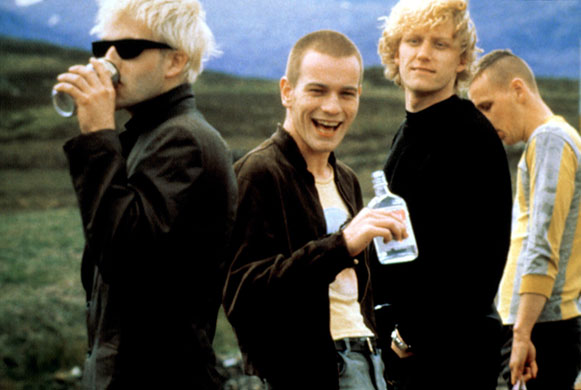
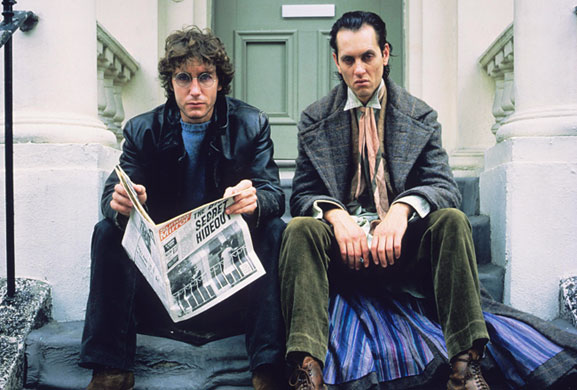
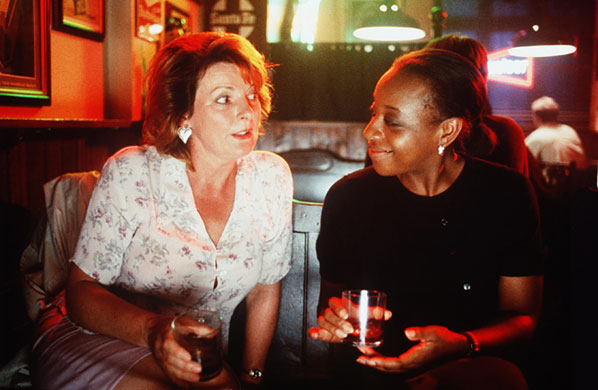
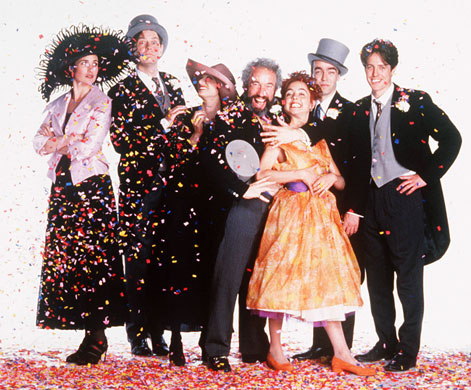
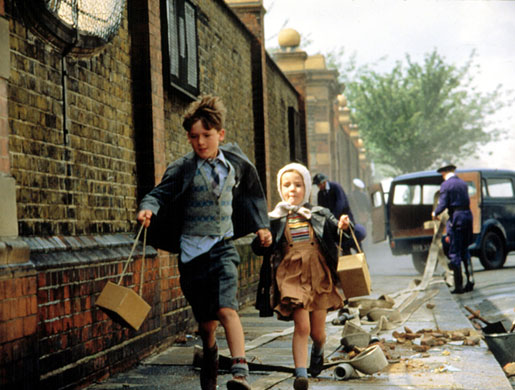
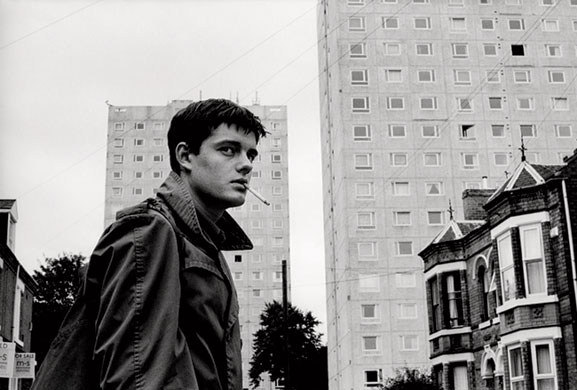
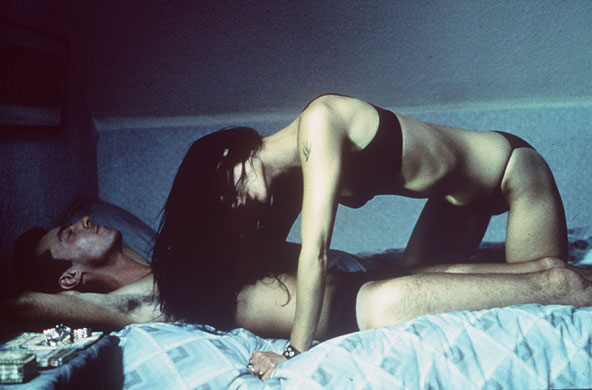
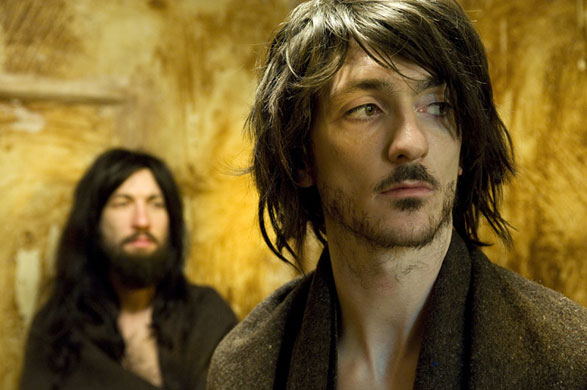
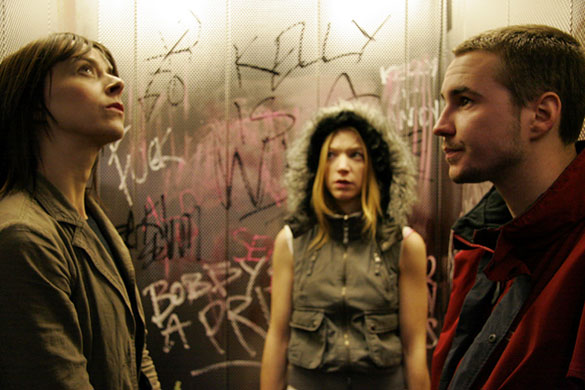
1) Trainspotting (1996), directed by Danny Boyle. Trainspotting hit the cinema screens like some freak weather event, upturning conventions and upsetting those it didn’t thrill, and British cinema has never been quite the same since. Photograph: Rex Features2) Withnail & I (1987), directed by Bruce Robinson. It wasn’t a success when it was first released in 1987, but Withnail and I, with its filthy bedsits, improvisational drinking techniques and endlessly quotable dialogue, quickly became a student favourite and is now recognised as one of the finest British comedies. Photograph: The Kobal Collection3) Secrets & Lies (1996), directed by Mike Leigh. Mike Leigh has spent his career peeling away the surface of ordinary British lives and teasing out the extraordinary dramas within. Perhaps his finest effort is this tangled family drama, which was nominated for five Oscars and won the 1996 Palme d’Or at Cannes. Photograph: The Kobal Collection
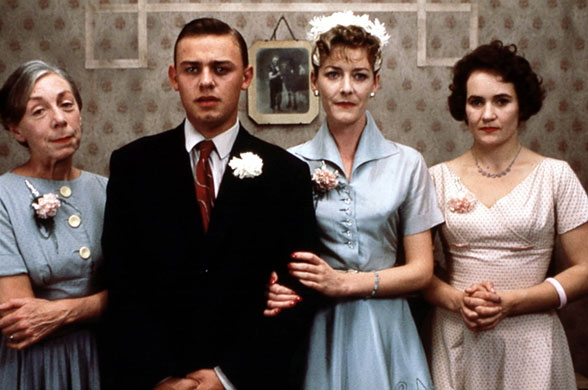
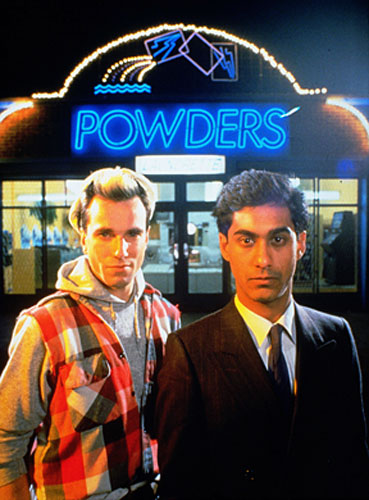
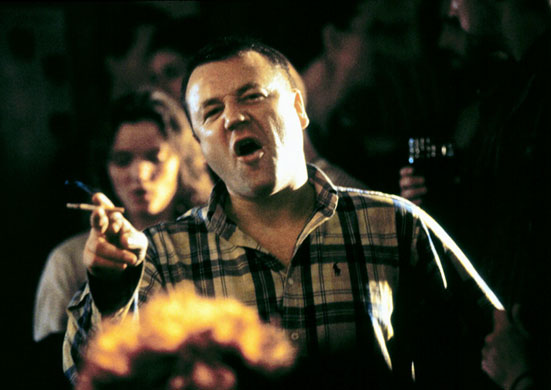
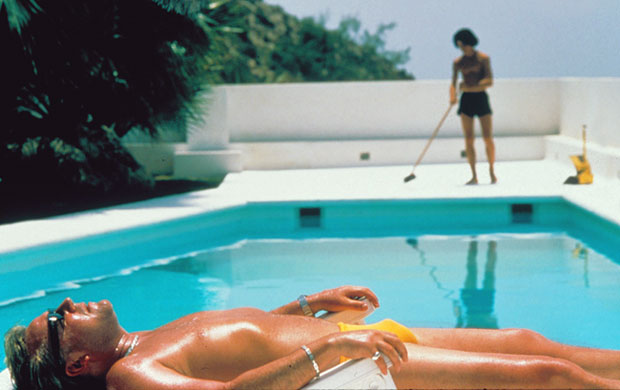
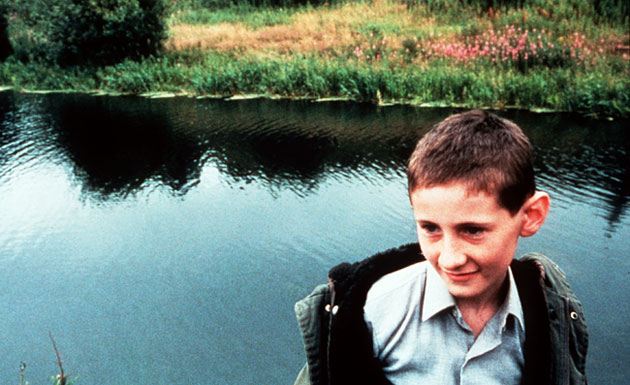
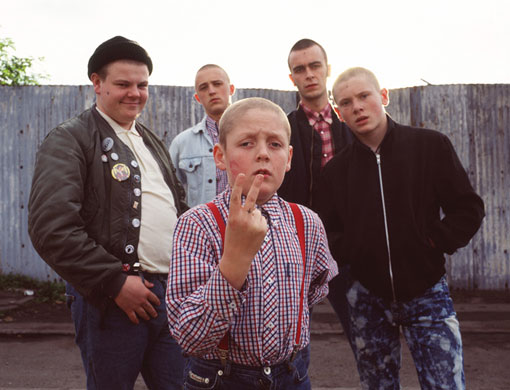
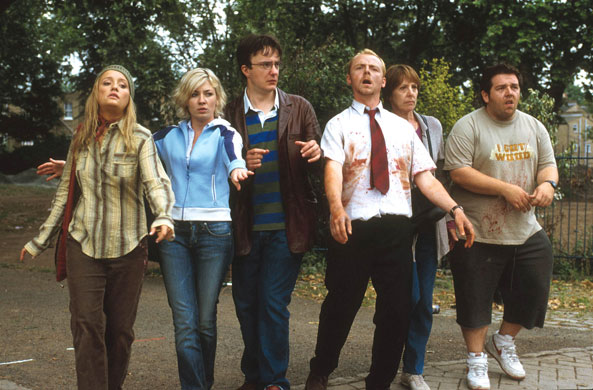
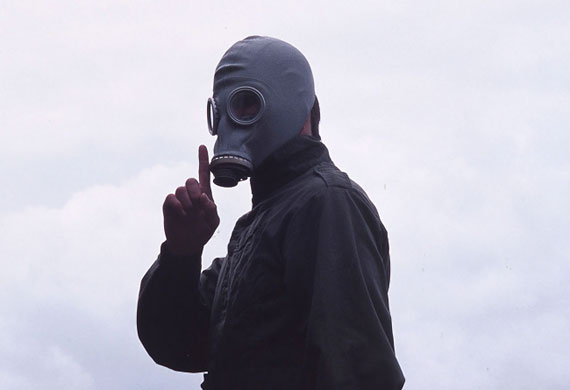
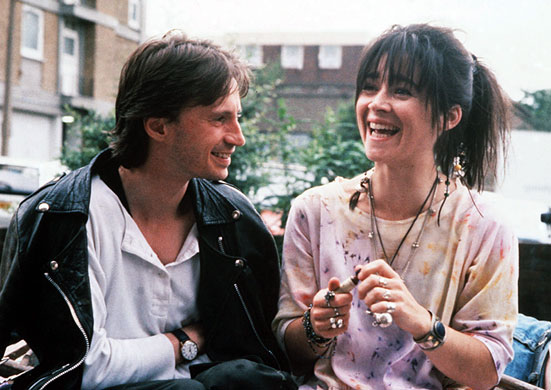
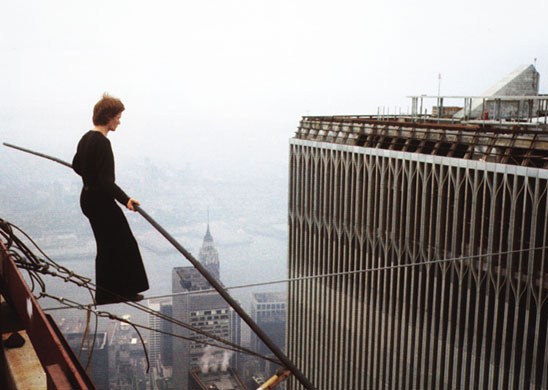
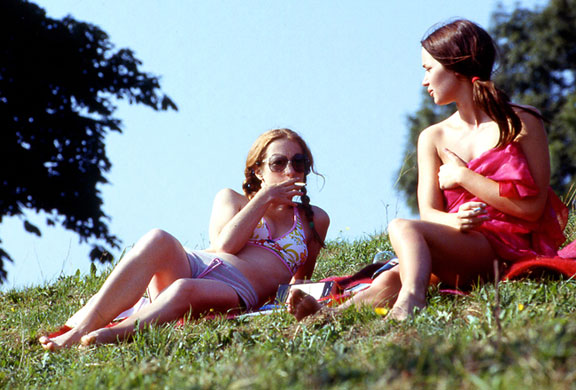
4) Distant Voices, Still Lives (1988), directed by Terence Davies. Distant Voices, Still Lives traces the life of a Catholic family in 1940s and 1950s Liverpool, and is widely regarded as being among the finest depictions of British working-class life on film Photograph: Ronald Grant Archive5) My Beautiful Laundrette (1985), directed by Stephen Frears. The mood of south London in the 1980s – oppressively grey but shot through with racial and political tensions – is vividly captured by Stephen Frears in his breakthrough film, made for Channel 4 but promoted to the big screen and subsequent international successPhotograph: The Kobal Collection6) Nil By Mouth (1997), directed by Gary Oldman. The British kitchen-sink tradition looms over Oldman’s bleakly brilliant directorial debut, a portrait of working-class lives blighted by violence and misery. But he draws also on his own childhood – he grew up close to the south London housing estate where the film is set Photograph: Allstar7) Sexy Beast (2000), directed by Jonathan Glazer. A tale of ageing hard men gone to seed, Sexy Beast might easily have felt like a wistful postscript to the great British mob movies of the past. Instead, Glazer’s film about an East End gangster brought out of retirement in Spain for one last job reinvigorated a genre that had fallen victim to mockney cliche Photograph: PR8) Ratcatcher (1999), directed by Lynne Ramsay. Its setting may be bleak – a deprived part of Glasgow during the 1973 dustmen’s strike – and its early sequences no less so; a child drowns in the filthy canal – but Ramsay was adamant that her feature-length debut was “not another grim film from up north”. What lifts the film above a predictable account of sink-estate misery is a perspective on its surroundings that finds beauty amid the squalorPhotograph: PR9) Slumdog Millionaire (2008), directed by Danny Boyle. Made for just $15m and with Skins actor Dev Patel heading a cast of relative unknowns, Boyle’s pacey Indian fairy tale tells the story of a Mumbai call-centre worker appearing on Who Wants To Be A Millionaire?, and traces how the events of a tumultuous life have supplied him with a winning streak of correct answersPhotograph: Rex Features10) Four Weddings and a Funeral (1994), directed by Mike Newell. The British rom-com, featuring Grant as a stuttering suitor, would become something of a money-spinning cliche after this, but its first incarnation was a genuine delight. Photograph: The Kobal Collection11) Touching the Void (2003), directed by Kevin Macdonald. The most successful documentary in British cinema history, Macdonald’s film delivers that rarest of things, an enthralling real-life story expertly told. When British climber Joe Simpson slides over the edge of a 150ft ice cliff during an expedition in the Peruvian Andes, his companion Simon Yates – assuming Simpson to be dead and himself at risk of being dragged down – has to decide whether to cut the rope connecting the two menPhotograph: PR12) Hope and Glory (1987), directed by John Boorman. Veteran director Boorman revisited the London of his childhood for this semi-autobiographical celebration of family life and British stoicism during the BlitzPhotograph: Rex Features13) Control (2007), directed by Anton Corbijn. Rock biopics are often extravagant affairs, conceived on a scale to match their subjects’ mythology. By contrast, Corbijn’s stunning film about Joy Division singer Ian Curtis, shot in the bleak monochrome of his early photographs of the band, is deliberately understatedPhotograph: PR14) Naked (1993), directed by Mike Leigh. Naked is chiefly remembered for its lead character, twentysomething motormouth Johnny (David Thewlis), whose troubled world-view and savagely witty dialogue, created during several months of improvisation by director and star, secures his place as one of British cinema’s most compelling anti-heroesPhotograph: PR15) Under the Skin (1997), directed by Carine Adler. Adler’s poignant story about two grown-up sisters in Liverpool coming to terms with their mother’s sudden death features Samantha Morton’s first starring film rolePhotograph: The Kobal Collection16) Hunger (2008), directed by Steve McQueen. McQueen’s decision to focus on the 1981 hunger strike, in which IRA prisoner Bobby Sands died, for his feature-length debut was inevitably greeted with controversy. But the Turner Prize winner’s return to this inflammatory period during the Troubles proved not just even-handed, but also scrupulously detachedPhotograph: PR17) This Is England (2006), directed by Shane Meadows. Grimsby, 1983, and Shaun (a bullied 12-year-old, beautifully played by newcomer Thomas Turgoose) falls in with a likable bunch of local skinheads who give him a sense of belonging, until their former friend Combo (Stephen Graham) returns from prison to split the group with his far-right political viewsPhotograph: PR18) Shaun of the Dead (2004), directed by Edgar Wright. At a time when British film comedy seemed destined for the morgue, co-authors Wright and Simon Pegg (already responsible for the quirky sitcom Spaced) showed that our national strain of supreme silliness had plenty of life in it yetPhotograph: PR19) Dead Man’s Shoes (2004), directed by Shane Meadows. Made on a shoestring, Meadows’s sixth film quickly attained the status of a cult classic, thanks in large part to Paddy Considine’s terrifying, brooding central performance. Considine, who co-wrote the script, plays a decommissioned soldier returning to his home town to punish a local gang for abusing and humiliating his younger brotherPhotograph: The Kobal Collection20) Red Road (2006), directed by Andrea Arnold. Following the success of her Oscar-winning short Wasp, Arnold’s feature debut confirmed her as a major film-making talent. Named after the Glasgow housing estate where it is set, Red Road centres on a CCTV operator (played by Kate Dickie) who begins spying on a man connected to a terrible event in her pastPhotograph: The Kobal Collection21) Riff-Raff (1981), directed by Ken Loach. Loach continued to find fertile ground – and plenty of comic potential – in the working man’s struggle against Thatcherism. Robert Carlyle plays Scottish ex-con Stevie, who begins works on a construction site in London where he is paid a pittance to convert a run-down former hospital into yuppie flatsPhotograph: The Kobal Collection22) Man On Wire (2008), directed by James Marsh. Marsh’s Oscar-winning documentary pays tribute to an extraordinary feat of daring. On 7 August 1974, French high-wire artist Philippe Petit and a group of companions evaded security guards at the World Trade Centre to suspend a cable between the two towers along which Petit walked, 400 metres above the ground. Through interviews with its protagonists, Marsh reflects the months of heist-like planning that went into the plot and the mesmerising beauty of its realisation Photograph: The Kobal Collection23) My Summer of Love (2004), directed by Pawel Pawlikowski. Set in the Yorkshire Dales, Pawlikowski’s film can be viewed as a lyrical coming-of-age tale – as suggested by its title – or a bleaker story of delusion and the struggle to escape stagnant lives. Either way, it is elegant, perceptive and beautifully acted by its two leads, Natalie Press and Emily BluntPhotograph: PR24) 24 Hour Party People (2002), directed by Michael Winterbottom. The sublime and the ridiculous are given equal billing in Winterbottom’s film, charting the chaotic rise of the Manchester music scene from the mid-1970s to the early 1990s. Steve Coogan plays Tony Wilson, the gobby local journalist with big dreams, whose label, Factory Records, was to be instrumental in the careers of Joy Division, New Order and Happy MondaysPhotograph: Rex Features25) The English Patient (1996), directed by Anthony Minghella. The Academy judges fell for Minghella’s epic love story, awarding it nine Oscars in 1997. Adapted from the Booker-winning novel by Michael Ondaatje, it stars Ralph Fiennes as a Hungarian count, critically injured at the end of the second world war, who retells the story of his doomed affair with an Englishwoman (Kristin Scott-Thomas) in prewar North AfricaPhotograph: Phil Bray/AP
Sign up to read this article
Read news from 100's of titles, curated specifically for you.