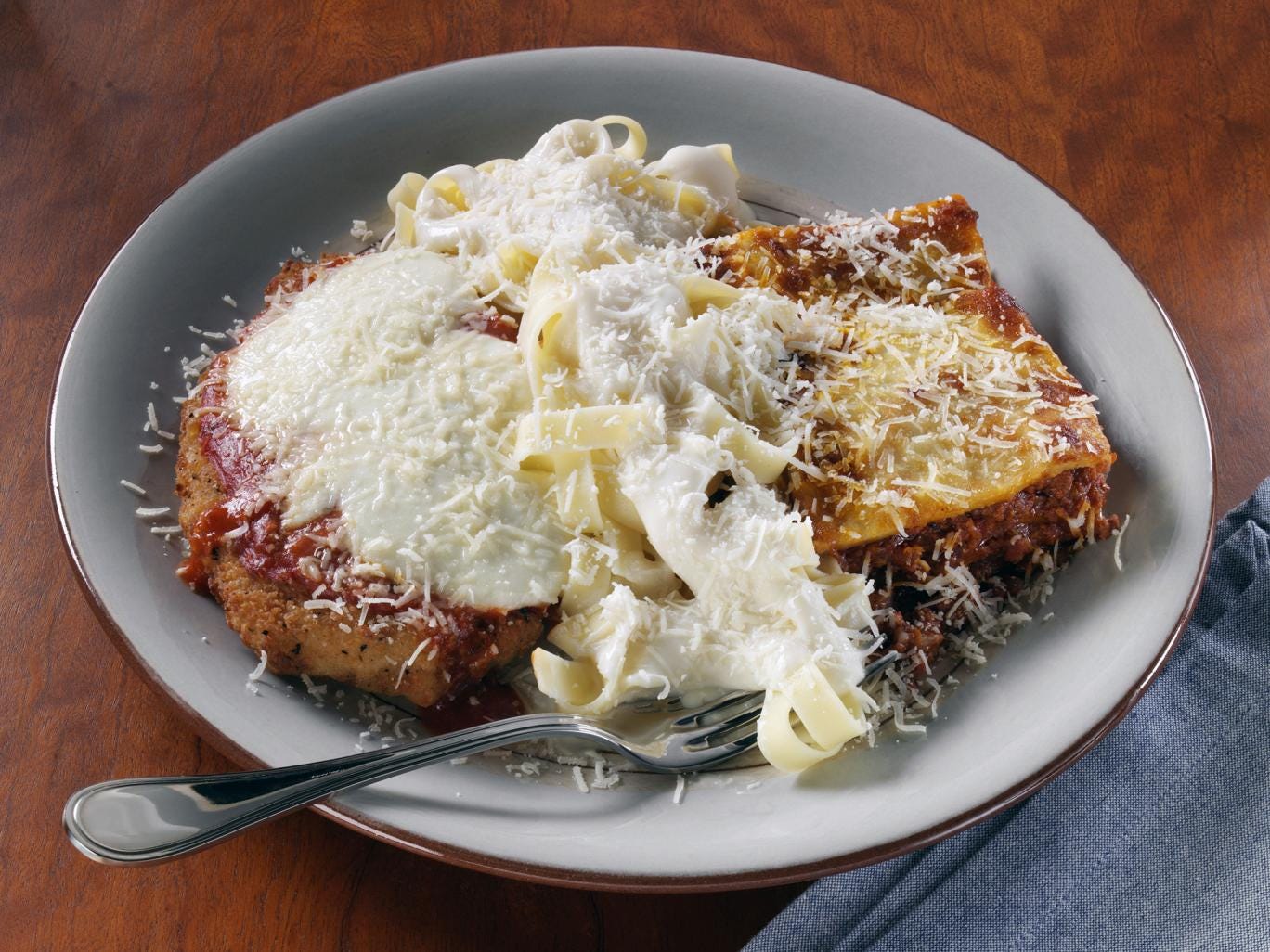
An investigation has found that some types of parmesan contain a suprising amount of wood pulp - and some contain no cheese at all.
After receiving a tip off, the US Food and Drug Administration (FDA) has found that “no parmesan cheese was used to manufacture” Market Pantry’s “100% grated Parmesan Cheese”.
Rather than the hard, dry cheese made from skimmed cow's milk, Castle Cheese Inc.’s take on the diary product was manufactured using Swiss, mozzarella, white cheddar cheese and cellulose – a by-product of wood pulp.
The proportion of cellulose found in the cheese widely sold at Target, came in at 2 - 4 per cent. This adheres to the level accepted by the FDA.
Caste Inc. are not the only cheese manufacturers to have been found causing a stink in the industry. According to Dean Sommer, a cheese technologist at the Centre for Diary Research, in an interview with Bloomberg Business, the worst offender is "Essential Everyday 100% Grated Parmesan Cheese", from Jewel-Osco, with 8.8 per cent cellulose.
Wal-Mart Stores Inc.’s "Great Value 100% Grated Parmesan Cheese" came in with 7.8 per cent.
Kraft contained 3.8 per cent and Whole Foods 365 brand didn’t list the ingredient, but tested at 0.3 per cent.
Parmesan is more expensive than other cheeses to make due to a slow curing process that produces a smaller yield.
The favourite hard cheese has a celebrated nutty flavour, but until now woody undertones have not been marketed as part of its attraction.
Cellulose is a tasteless and naturally fat free natural plant sugar. It is used as a safe additive in cheese to prevent clumping. Cheese makers mix in higher levels in an attempt to cut costs, as it is a cheaper ingredient than pure parmesan.
Caste Cheese Inc. has ceased manufacturing the “Parmesan” cheese and filed for bankruptcy in 2014.
Castle President Michelle Myrter is facing criminal charges. If convicted, she faces being sentenced to a year in prison and a $100,000 fine.
Michael Mullen, a Kraft Heinz Co. spokesman, told Bloomberg: “We remain committed to the quality of our products,” John Forrest Ales, a Wal-Mart spokesman, said the “compliance team is looking into these findings.”
Whole Foods has said they strong believe there is no cellulose present in their product.