

The German audio brand HEDD just released the D1 HEDDphones for $799/£599 and, if you're a music fan, there are a few reasons you should be celebrating.
First, the D1s continue HEDD's tradition of innovation by using new materials for their diaphragms that no other headphone features. Second – and most importantly – after using a pair for the last three days solid, I think they may be the perfect audiophile headphone for the majority of people out there. In short, they are the most balanced pair of headphones I've ever used, yet they have enough excitement in their frequency profile to make a lot of people happy.
The D1 headphones run at 32 ohms, with 100dB sensitivity, so they're pretty easy to drive. You could plug them into a MacBook or smartphone and you'd be fine. However, I tested them using the Chord Mojo 2 headphone DAC, as it has two jack ports, allowing me to compare the D1s with my other headphones without missing a beat.
HEDD are established audio innovators. Founded by physicist Klaus Heinz in 2015, the German brand invented Air Motion Transformer technology. This swapped traditional cones or domes that push air to make sound, with folded diaphragm drivers that squeeze the air. This meant more speed, detail, and clarity to the sound.
The HEDD D1s use dynamic drivers instead of AMT, but they innovate in another area. They use thin-ply carbon (TPC) material for the headphone's diaphragm (the thing that creates the sound that you hear). It's the first time it's been used in a headphone, and the marketing material promises, 'tonal clarity and exceptional fidelity'.
For once, the marketing material is absolutely spot on.
Comfort & build
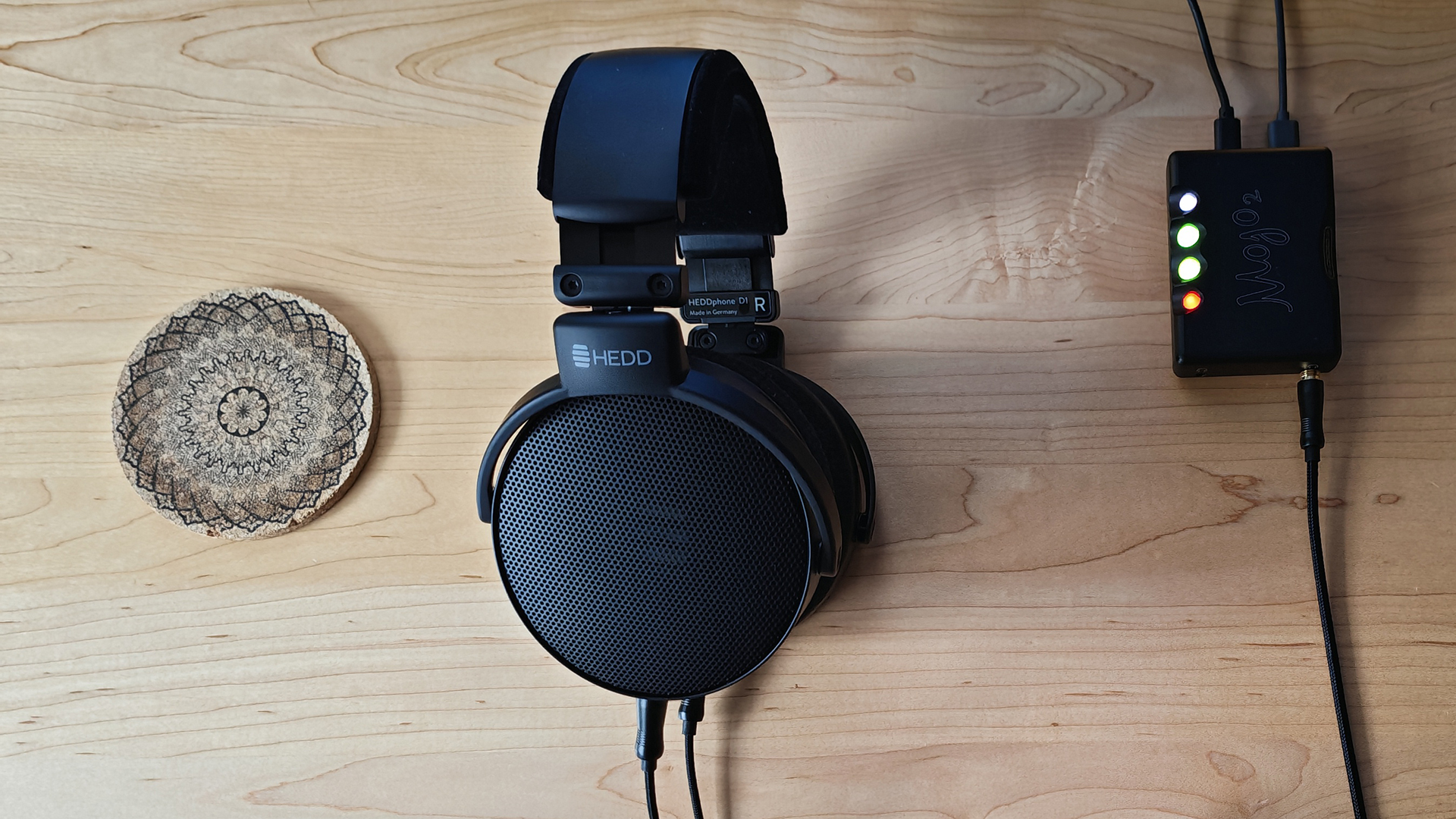
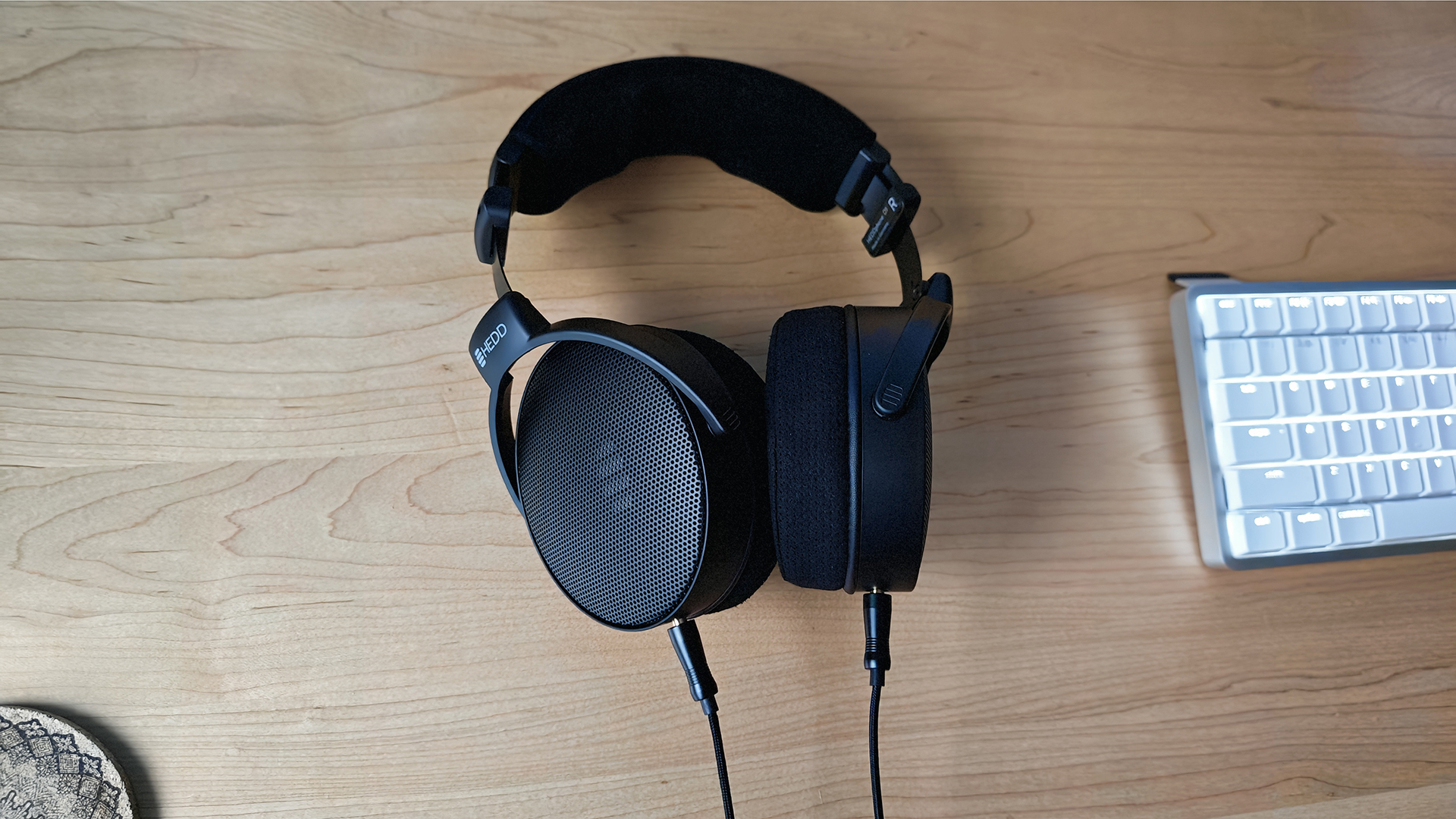
I've been using the D1s since I received them three days ago, and they are amongst the most comfortable and light-feeling headphones I've used. I say light-feeling because they weight 360g, which is 100g heavier than the Sennheiser HD600s (a famously light headphone). And yet, with the D1's more forgiving clamp force, I feel they're closer to the latter in real life use.
Certainly the plastic and metal build feels both top quality in your hands, and light on your head. I don't really feel the velour-wrapped head pad on my head, and the ear pads are a suede-like material that are comfortably cushioned with several little holes in them for breathability. However, after a while I did feel my ears getting warm, though I have to stress that I used these headphones for long stretches of time!
And that's because of the D1's enticing sound profile: it has really engaging bass, nuanced mids, and high detail that doesn't come with the downside of sibilant, fatiguing treble. In fact, the D1s are the opposite of fatiguing – they're a blast to use and listen to for hours on end... let's break down why.
Sound: A detailed dive
One of the D1s outstanding strengths (other than the overall balanced sound profile) is its upper bass, which doesn't take the spotlight at the expense of the mids and highs, as so many overly warm-to-muddy headphones do. Its bass feels a touch warm, but has plenty of punch, and its totally in tune with the bigger picture, unlike something like the Sennheiser HD600s, which offer industry-leading mids and clear trebles, but is a bit more shy in the bass. In fact, the D1 reminds me more of the warmer Sennheiser HD650, but still has a touch more bass, and crisper treble. Now, that's my favourite headphone... or at least was.
Out of all my headphones, the D1's bass is closer to (but not quite equal to) the closed back Denon AH-D5200s, which have amazing, punchy bass. This is really impressive when you think about it. The AH-D5200s are closed back, and so can trap air and sound (ie, bass) within the headphone cups. The nature of open backs means air and sound passes through the ear cup, yet the D1's still manage to cling on to a punchy bass profile, that isn't just ramped up and swampy. That's great news to anyone who wants the benefits of an open back headphone (bit more sound stage) with a proper mature, fast bass response.
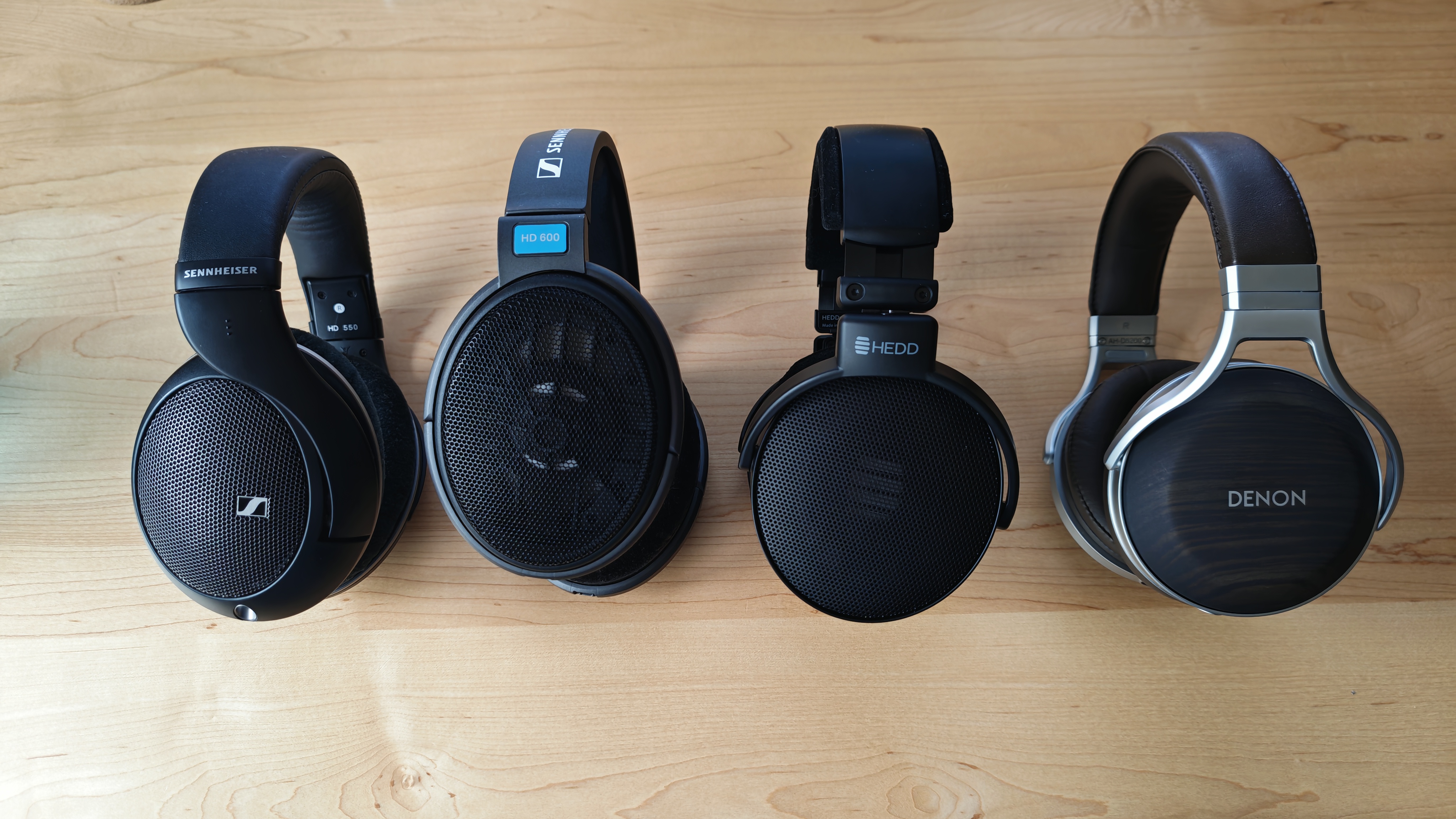
Comparing again to the HD600s – the monarch of the mids – and the D1's mids fair really well – they're neutral and balanced. On the track Casanova 70 by Air, which starts with a chugging bass line, adding mids with its brass, strings and synths, and then ends with a treble flourish of an organ riff, the D1s present it all beautifully complete and clear.
Impressively, the mids don't get lost in the mix. Yes, the bass and treble are a little bit more elevated, but this is no commercial-sounding V-shaped, mids-blood-bath. It’s more sophisticated than that. There’s the excitement of a bit more bass and treble, but the detailed mids are still confident. It's a sound that verges on warm at times (which I really like) but you can pick out what you want to focus on with the D1s. The D1s sound subtle and grown up, and I think I've found my new benchmark headphones.
Soundstage & imaging
I played Stereolab’s Metronomic Underground on the D1s and my Beydynamic DT 1990 Pro, focussing on imaging and soundstage. I chose the 1990 Pros as they are famously treble-forward, with an infamous 8khz peak that, some say, is akin to covering everything with a layer of audio bleach. The upshot is that you can pick out a lot of detail with the 1990s, plus they also have good imaging, so they're a great headphone to compare with the D1s.
Metronomic Underground builds a repetitive groove over seven minutes which turns into a final minute-long euphony (a pleasant mixture of lots of sounds, unlike it's ugly brother cacophony). The song is a good test to see whether you can pick out each instrument, or if your headphone crumbles into a mush of noise. The D1s do a solid job.
The imaging is impressive, and I'm able to hang on to the super subtle left ear percussive wah-wah guitar and the right ear repetitive synth run, all while the building wall of sound falls in from all angles. It's impressive.
As far as how those imaged instruments are presented to you, or the HEDD D1's soundstage: it's good. The music sounds a little in front, with its strength being the width of presentation. It's a broader soundstage than the intimate presentation of the HD600s. I don't own any open back headphones with a vast soundstage, such as the famed Sennheiser HD800 S, so I don't have that to compare it to. But to my ears, the D1's soundstage perfectly suits the richness of detail and welcoming sound. It's wider and more nuanced than the three-blob HD6 series – hard left, centre and hard right. There's definitely more gaps filled in between.
HEDD D1: A new HD6 series headphone?
When I started writing down my thoughts about the D1s, I didn't plan to compare them so much with the HD600s, yet I kept coming back to the industry-leading neutral classics. And they really did compete well, with a touch more stronger bass, and a smidge more treble. Ultimately, the D1's bring a similarly sophisticated mid frequency response to the HD600s and HD650s, and seeing that the Sennheiser cans have been best sellers since 1997 and 2003 respectively, this is really exciting news for headphone fans.
However, I think right now buying the D1s will be heavily influenced by price. You can get the HD600s for $299, and the HD650s for $400 over at Amazon. Whereas the D1s retail for $800. Whether the innovations and more balanced sound profile of the D1s are worth that cost is entirely up to the individual, but if you want a modern classic that dares to be perfect, right now, you'll have to pay for it.