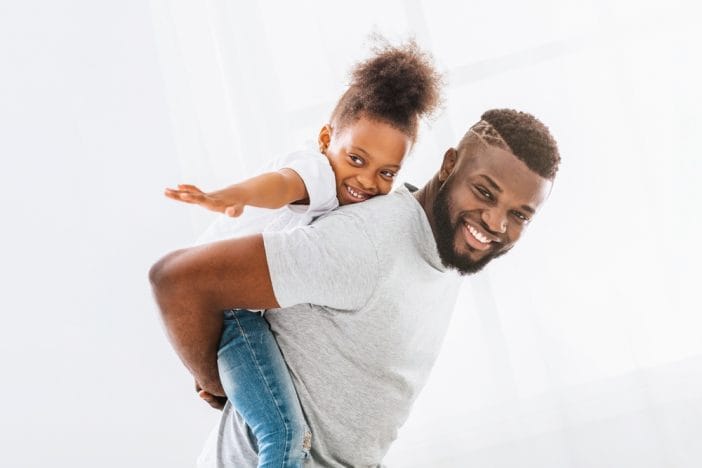
Fatherhood is having a glow-up, and it’s not subtle. Gone are the days when dads were applauded simply for “babysitting” their own kids or making a cameo at bedtime. Today’s fathers are stepping into roles that are bigger, messier, louder, more emotional, and far more meaningful than ever before. They’re packing lunches, learning emotional vocabulary, mastering car seat engineering, and showing up in ways their own fathers were rarely encouraged to do.
This shift isn’t just changing dads—it’s reshaping families, relationships, and entire households in real time. And honestly? It’s one of the most interesting social changes happening right now.
Fathers As Emotional Anchors, Not Just Providers
For generations, fatherhood was tightly wrapped around the idea of financial stability, emotional restraint, and being “the strong one.” Modern fatherhood is blowing that narrow definition wide open. Today’s dads are expected—and often eager—to be emotionally available, openly affectionate, and deeply attuned to their children’s inner worlds. This means talking about feelings, validating fears, celebrating vulnerability, and modeling emotional intelligence in everyday moments.
Research consistently shows that children benefit enormously when fathers are emotionally engaged, developing stronger self-esteem and better social skills. Many men are now actively unlearning outdated ideas that emotions are weaknesses, replacing them with a more expansive and human version of strength. The result is a generation of fathers who aren’t just present in the room, but present in the moment.
Equal Partners In Parenting And Household Life
Modern households are increasingly built on partnership rather than rigid roles, and fatherhood expectations reflect that evolution. Dads are no longer applauded for “helping out”; they are expected to fully participate in the daily labor of family life. That includes diaper changes at 3 a.m., school drop-offs, pediatrician appointments, laundry mountains, and the invisible mental load of remembering who needs what and when. Studies show that when fathers are actively involved in domestic responsibilities, relationships tend to be healthier and more resilient.
Children also internalize powerful lessons about teamwork, fairness, and shared responsibility simply by watching their parents navigate life together. This shift isn’t always smooth, especially for men who didn’t grow up seeing this model, but it’s undeniably transformative. Households become less about survival mode and more about collaboration, respect, and mutual support.
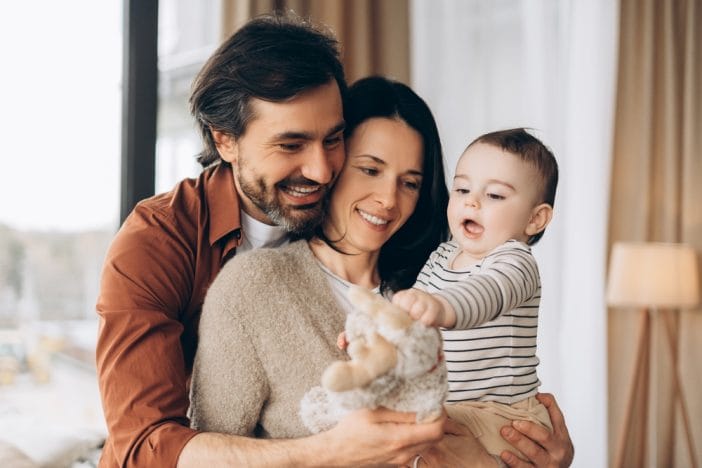
Redefining Work, Success, And Masculinity
Fatherhood expectations are also rewriting the script around work and identity. Many modern dads are questioning long-held beliefs that success is measured only by income or job titles. Instead, they’re prioritizing flexibility, presence, and time with their families, even when it means pushing back against workplace norms. Paternity leave, remote work, and adjusted schedules are becoming more common topics of advocacy, not fringe benefits. This cultural shift challenges traditional masculinity by insisting that caregiving, nurturing, and prioritizing family are not only acceptable but admirable.
Men are discovering that being a great father doesn’t diminish ambition—it reframes it. Success becomes less about missing birthdays for promotions and more about building a life that feels whole and aligned.
Letting Go Of Perfection
One of the most refreshing aspects of modern fatherhood is its growing honesty. Dads are increasingly willing to admit they don’t have all the answers, and that parenting is learned through trial, error, and humility. Social media, parenting groups, and everyday conversations have created spaces where fathers talk openly about postpartum depression, burnout, fear, and self-doubt. This openness helps dismantle the myth that good fathers are effortlessly confident or emotionally invincible. Instead, it normalizes growth, mistakes, and asking for help.
Children raised by parents who model learning and accountability gain resilience and compassion by example. Modern fatherhood isn’t about perfection—it’s about presence, curiosity, and showing up even when things feel messy.
The Ripple Effects On Children And Society
The impact of evolving fatherhood expectations extends far beyond individual households. Children who grow up with engaged, emotionally available fathers often carry those lessons into their own relationships and communities. They tend to develop healthier communication skills, stronger empathy, and a more balanced view of gender roles. On a societal level, this shift contributes to greater gender equity, improved mental health outcomes, and more adaptable family structures.
When fatherhood expands, everyone benefits—partners feel supported, children feel seen, and men gain fuller emotional lives. This isn’t just a parenting trend; it’s a cultural recalibration. And it’s still unfolding in fascinating ways.
A New Chapter For Fathers Everywhere
The expectations shaping modern fatherhood are bold, demanding, and deeply human. They ask fathers to be emotionally fluent, actively involved, flexible, and honest, all while navigating a world that’s still catching up to these changes. While the learning curve can be steep, the rewards are profound, touching everything from family bonds to personal identity. Every father’s journey looks different, but the collective movement is clear and powerful.
If these shifts resonate with you, or if you’ve noticed changes in your own family or upbringing, the comments section below is the perfect place to add your voice and experiences to the conversation.
You May Also Like…
7 Fatherhood Myths That Actually Hurt Kids Long Term
AI Voice Cloning Scams Are Targeting Fathers At Record Rates
Your Dad Is Avoiding These 7 Things If He’s Always In Front Of The TV
10 Honest Truths Divorced Dads Admit They Hide from Their Children
Men Are Reconsidering Marriage After Recent Family Court Cases
The post The New Fatherhood Expectations Shaping Modern Households appeared first on Clever Dude Personal Finance & Money.