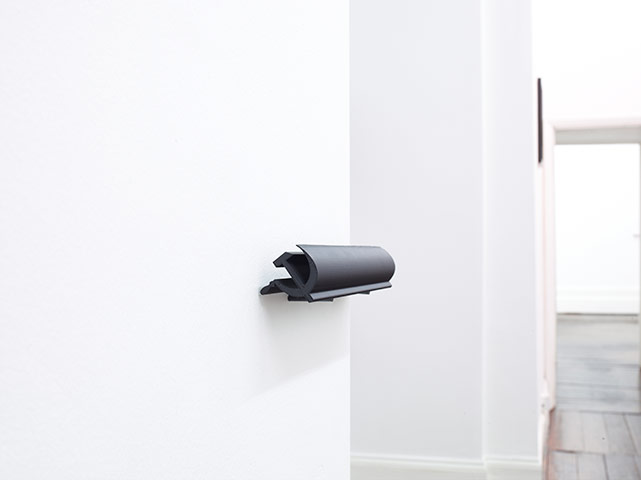
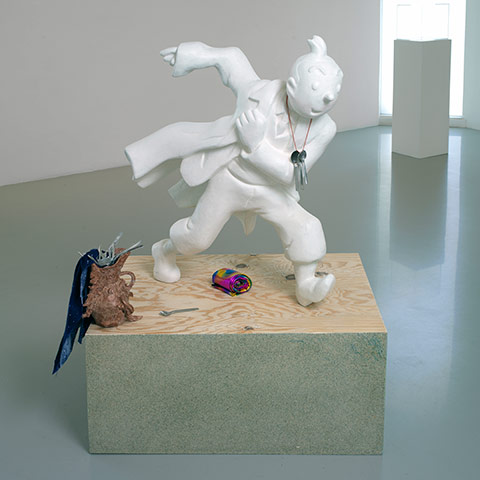
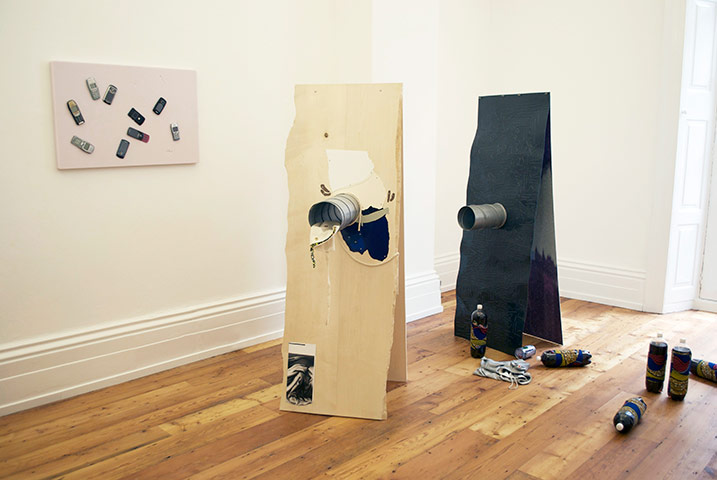
Helen Marten chosen by Richard Wentworth. Marten’s aim is to produce a “family of objects and ideas with some sort of circuitry”. Wentworth says: “She is making codes – her work is like a contemporary Rosetta stone. It is part of a broad conversation. She is enormously respected. She has a hidden grandeur but no grandiosity.” ‘An economist is particularly difficult to represent in graphic terms’, Helen Marten. SLA rapid prototype (hammer and sickle extrusion)Photograph: Helen MartenThe advent of a world class economy, (Lisson view) 2009/2010, Helen Marten. Carved polystyrene, fibreglass, self-firing clay, airline teaspoons, fabric, chipboard, ball-chain.Photograph: Helen Marten‘All the single ladies’, 2010, Helen Marten. CNC machined and cast Corian, mobile phone handsets.Photograph: Helen Marten
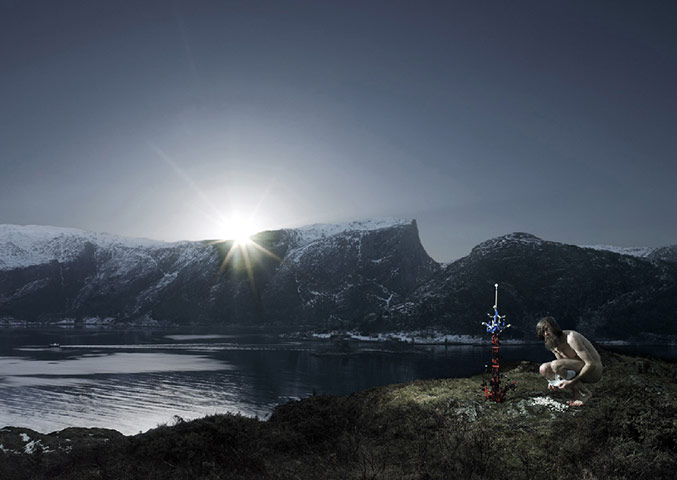
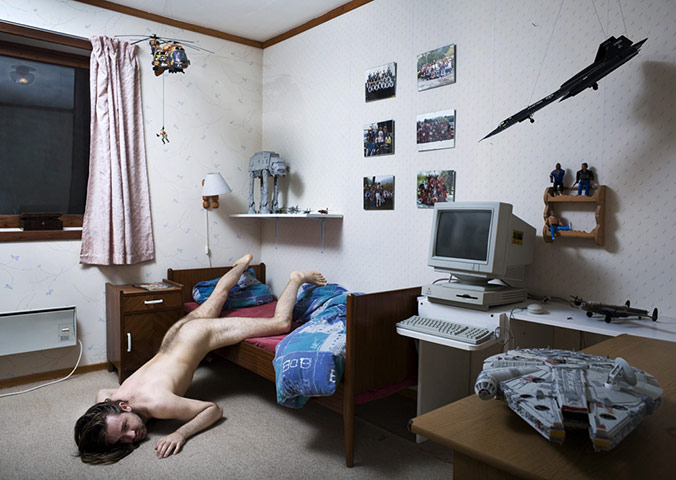
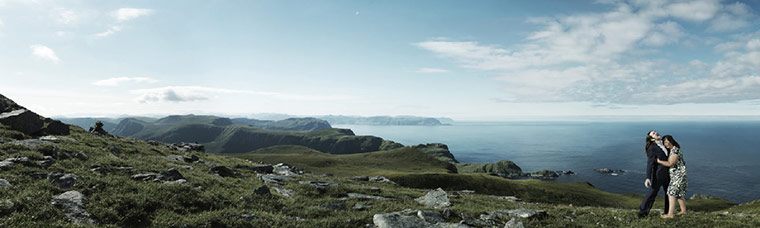
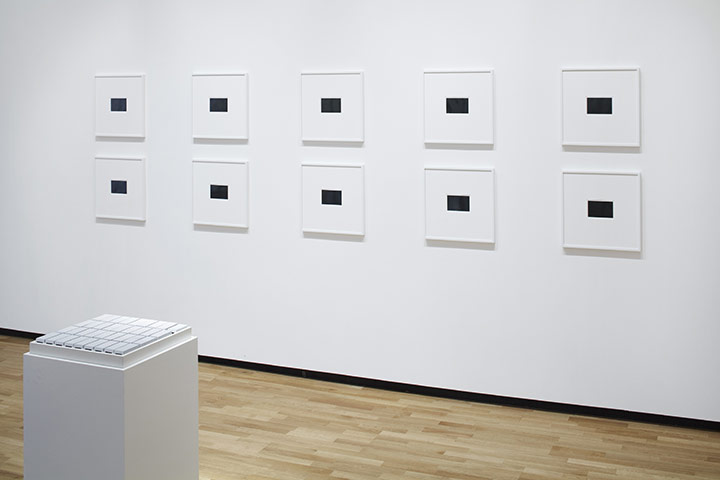
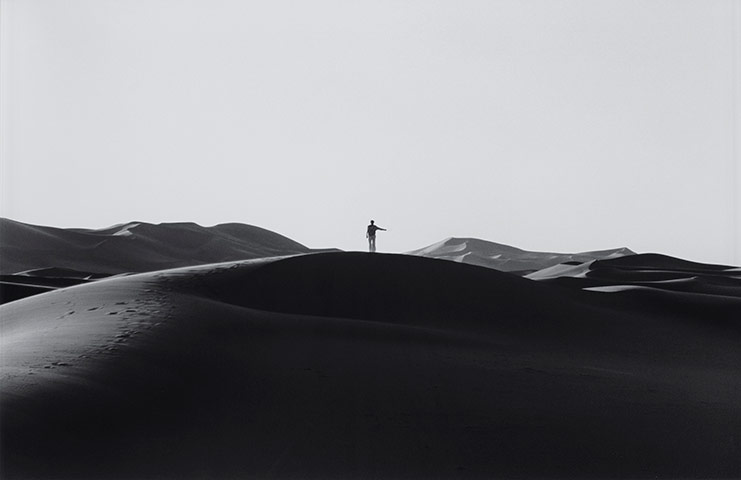
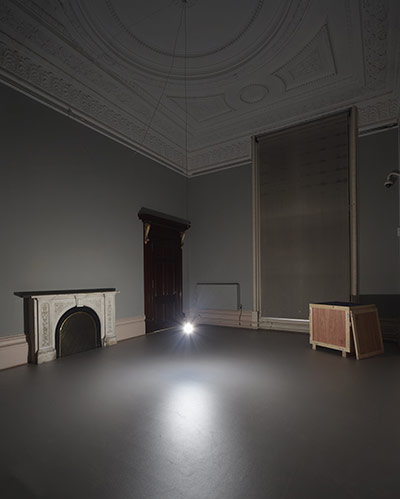
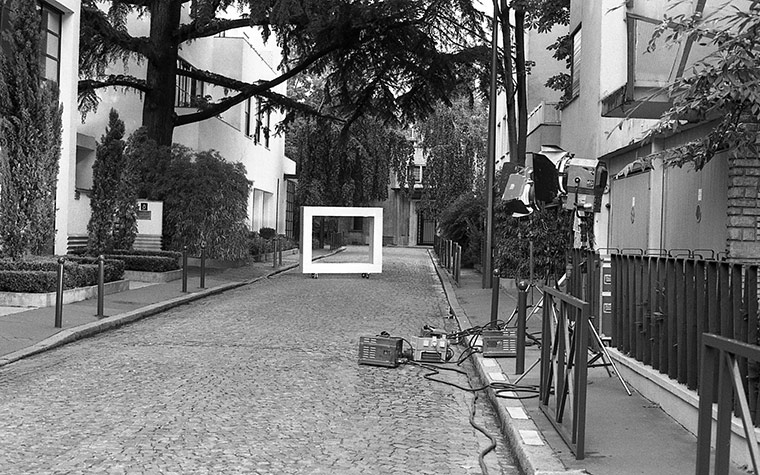
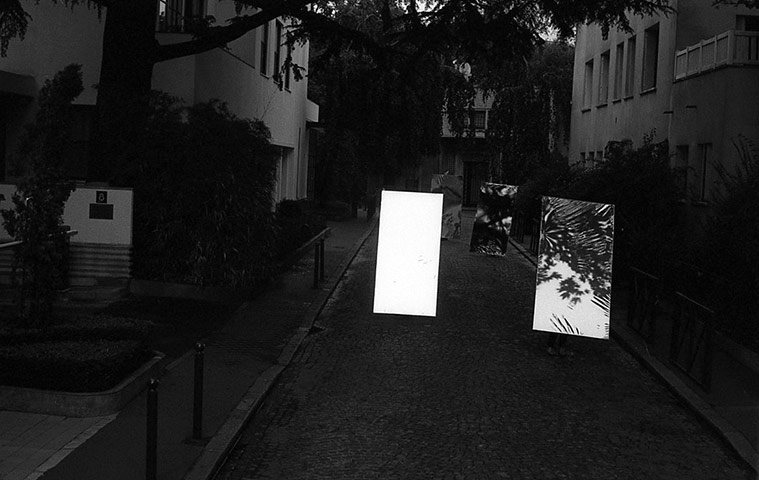
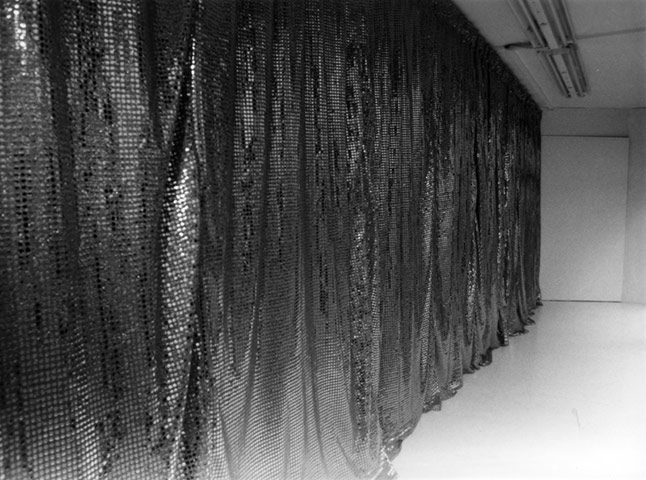
Bjørn Venø was chosen by Yinka Shonibare. Captivated by tales of heroism as a child, Venø uses photography to explore his sense of disillusionment at the man he has become. “I’m older than him but maybe I’m having my own midlife crisis,” Shonibare says, “because I find his exploration of male identity very intriguing. He’s very brave to expose himself like he does. It’s not something I could do.” The Apparition, 2006, Dibond mounted Giclée print, 128 x 90 cm, (image courtesy the artist and Nettie Horn).Photograph: Bjørn VenøDéjà vu, 2007. From the “Paradigm” series, dibond mounted Giclée print. 90 x 130cm, (image courtesy the artist and Nettie Horn).Photograph: Bjørn VenøThe Kernel of Apathy, Destruction of a Soul, 2008. From the “Behold” series, dibond mounted Giclée print, 90 x 300cm, (image courtesy the artist and Nettie Horn).Photograph: Bjørn VenøKatie Paterson was chosen by Cornelia Parker. Cornelia Parker describes Paterson as someone who can “take you out of your realm … she is so original, engaging and expansive. She makes us realise how inconsequential we are in relation to the universe”. Paterson's work has involved plotting a map of 27,000 dead stars, bouncing Beethoven’s Moonlight sonata off the moon in Morse code and returning the results into a self-playing piano, studying darkness, and making an electric light bulb that duplicates moonlight. History of Darkness (2010), Katie Paterson. Ongoing slide archive. Archive Box: 55 x 55 x 4.5 cm. Plinth: 90 x 56 x 56 cm.Photograph: Katie PatersonInside this desert ...(2010), Katie Paterson. Photograph & archive box of tools, 80 x 120 cm.Photograph: Katie PatersonLight bulb to Simulate Moonlight, Katie Paterson. Light bulb with halogen filament, frosted coloured shell, 28W.Photograph: Katie PatersonCharlotte Moth was chosen by Tacita Dean. Moth’s work, an exploration of space in all its aspects, takes in photography, sculpture and, occasionally, film, theatre and music. ‘Her work feels like she’s travelling, noticing and absorbing, and is not, for the time being, studio-bound or stuck to a particular place or orthodoxy,” says Dean, before praising her “eclectic use of materials” and “delicacy of touch”. The Protagonists, 2010, Charlotte Moth. Black and white analogue photograph, framed, 44 x 57 cm, edition of 3 + 1 AP, courtesy: Marcelle Alix, Paris.Photograph: Charlotte MothThe Protagonists, 2010, Charlotte Moth. Black and white analogue photograph, framed, 44 x 57 cm, edition of 3 + 1 AP, courtesy: Marcelle Alix, Paris.Photograph: Charlotte MothCounter work one, Schaufenster Project Space Düsseldorf, 2009, Charlotte Moth. Black and white analogue photograph, framed, 17 x 23.5 cm, 29 x 35 cm with frame, edition of 3 + 1 AP, courtesy: Marcelle Alix, Paris.Photograph: Charlotte Moth
Sign up to read this article
Read news from 100’s of titles, curated specifically for you.