It is traditional for new MPs to arrive in parliament promising a break from tradition. After the election, a new cohort turns up with crusading zeal in its heart, impatient for change. They are soon captured by the institution. Their ambition is poured into the unbreakable mould where it congeals and sets. Older residents welcome them in as a breath of fresh air but then close the windows for fear of catching their death.
Still, there are grounds for thinking that the 2015 cohort will succeed in shaking things up a bit. For a start, there are scores of Scottish nationalists with an explicit mandate to do just that. Many have no experience of Westminster and little motive to treat its vellum-inscribed protocols with deference. Their main point of political reference and primary allegiance is Edinburgh. The SNP influx also brings the average age down. Mhairi Black, MP for Paisley and Renfrewshire South and scalper of Douglas Alexander, was born in 1994.
The new Labour intake is also relatively young and female, with women outnumbering men 34 to 19. (The new Conservative MPs are split 47 to 27 the other way.) That doesn’t guarantee culture change, but it might nudge the Commons away from its default tone of macho pontification – what one former minister describes as “all the tedious willy-waving”.
I detected a whiff of generational change when I heard about the Labour class of 2015’s night out to celebrate their arrival in parliament: a slap-up Chinese meal and karaoke; honourable members belting out Nirvana’s Smells like Teen Spirit and Blur’s Parklife; a spot of amateur breakdancing. It could be written up as carousal unbefitting serious legislators but to me it sounded reassuringly human.
Meanwhile, the Conservatives are starting to confound their stale-male-pale stereotype. Parliament as a whole is still some way off a fair reflection of the country in terms of ethnicity and gender and the Tories are hardly pioneers. But David Cameron has presided over some party diversification, much to the consternation of traditionalists who feel their promotion prospects have been sacrificed on an altar of political correctness. The more observant Labour MPs have clocked the arrival of Tories born to immigrant and working-class families and realised the shrinking potency of campaigns against Conservatism as the political wing of old-school privilege.
Alongside demographic change is a trend away from party discipline. Measured in numbers of backbenchers voting against whips’ orders, the last parliament was the most rebellious of the postwar era. The 2005-10 parliament had held the same title and the current session looks set to continue the pattern. Less than two months into his second term, Cameron has already been defied once by Eurosceptics over the terms of his referendum bill and been forced to retreat over plans to rewrite human rights law. The certainty of a Tory leadership contest before the next election lowers the potential cost of disloyalty to the incumbent and could encourage ever more ostentatious displays of dissent.
Something similar may also happen on the Labour side. MPs who suspected early on that Ed Miliband was leading them to disaster now look back on the years of dutiful silence with remorse. They vow to be more ruthless with any substandard successor. That applies to the new intake, too, many of whom feel their seats were won with customised local campaigns, building up a personal following and running a mile from Miliband and his manifesto. Their priority is now securing hard-won majorities, not scrambling up the shadow ministerial ladder. They are in no hurry to swap the freedom to express an independent personality for some obscure portfolio, a “line to take” and guaranteed anonymity as the author of unread press releases. Some see their first rebellion as a rite of passage equivalent in status to their maiden speech.
Parties must learn to be tolerant of this political teen spirit since it is, in all likelihood, uncrushable by conventional whipping. Besides, the cult of the monolithic message has suffocated Westminster for long enough. The only aspect of parliamentary business less edifying than the aggressive heckling is the sycophantic question planted in the hands of an obedient backbencher. These fawning requests – will the minister please confirm for the house that his triumphant policies are the envy of all civilisation? – have spread like a fungus in the under-illuminated crevices of democratic debate.
Media must share the blame. Too much political broadcasting is assembled to a formula of antithetical opinions crashing head-on. To concede a point is defeat; to agree with a member of another party is heresy; to disagree with a member of one’s own party is fatal division. The same applies in punditry. I get calls from the 24-hour news channels when they have a guest booked with an extreme partisan view. The researcher asks if I might be prevailed upon to believe the opposite and is audibly disappointed when I say there are merits to both sides of the argument. This betrays a neurotic fear of putting people with common ground on air in case it is dull. It doesn’t help that social media frenzy has become a metric of audience impact. Outrage is a more reliable driver of web traffic than compromise.
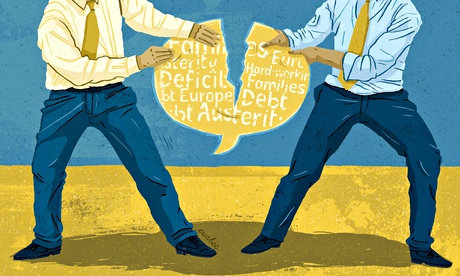
But democratic politics cannot function without compromise. When MPs can’t be honest about agreement with their enemies or disagreement with their friends the result is an artificial polarisation and wilful manipulation or rejection of evidence that confounds official lines. This runs alongside the institutionalised hypocrisy of politicians from different tribes getting along and understanding one another’s positions better in private than they dare say in public. That feeds the perception of Westminster as a theatre of deception, with pantomime conflict on stage and establishment conspiracy in the wings.
I am not wholly pessimistic. Each successive generation of MPs seems more frustrated by the artifice than the last. Some of the 2015 cohort will go down the familiar route and be co-opted by the whips, but some will retain their own voices and their own styles. I hope they will also vote more promiscuously across party lines. It seems paradoxical but if MPs could be a bit straighter about what they have in common, they might sound more credible in rebutting the charge of all being the same.

.png?w=600)