The Native Americans of South Dakota: a history in pictures
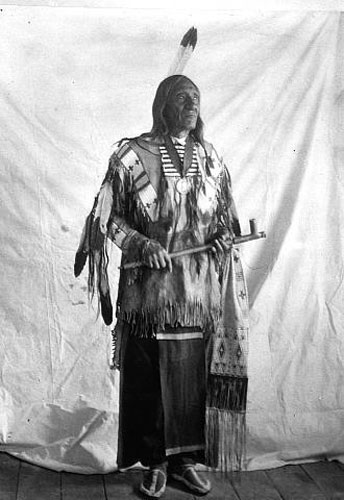
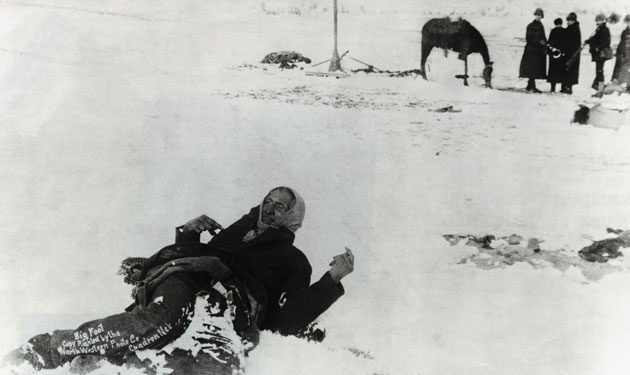
1876-1896 Taoipi Ckikala-Siouan Family, Ogallala Sioux tribe. Hereditary and Head Chief of the Pine Ridge SiouxPhotograph: guardian.co.ukCirca 1890: Group of twelve Miniconjou (children and adults)--many are looking away from camera--in a tepee camp, probably on or near Pine Ridge ReservationPhotograph: Library of Congress/guardian.co.ukDecember 1890, Wounded Knee, Pine Ridge Indian Reservation, South Dakota, USAPhotograph: guardian.co.uk
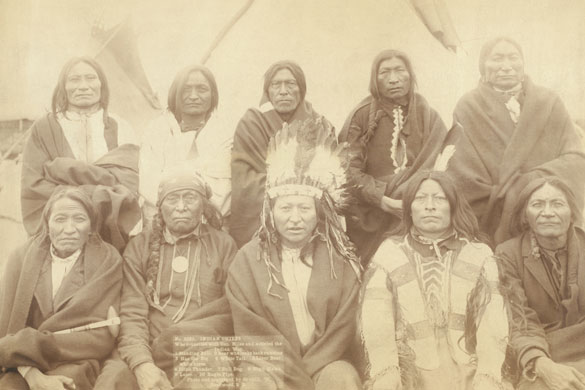
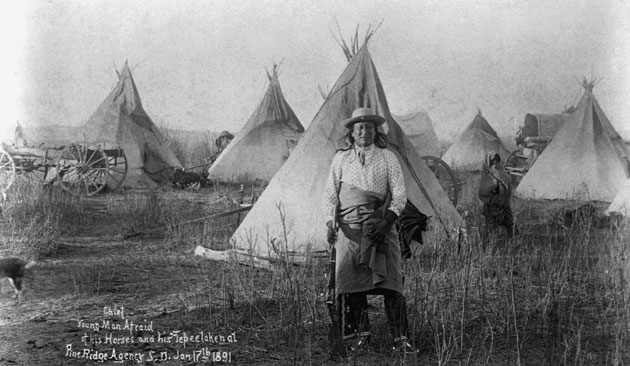
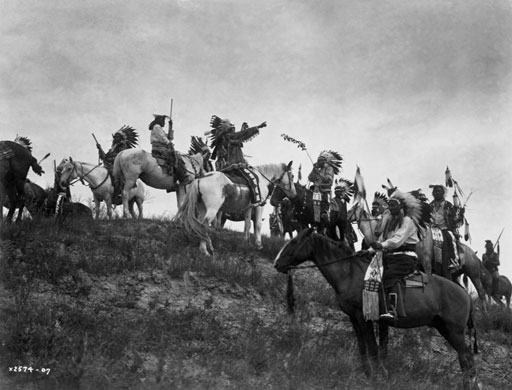
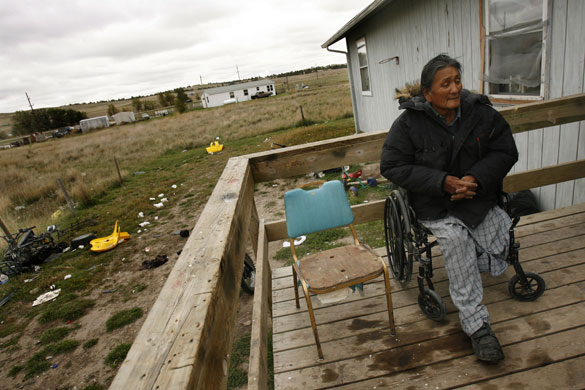
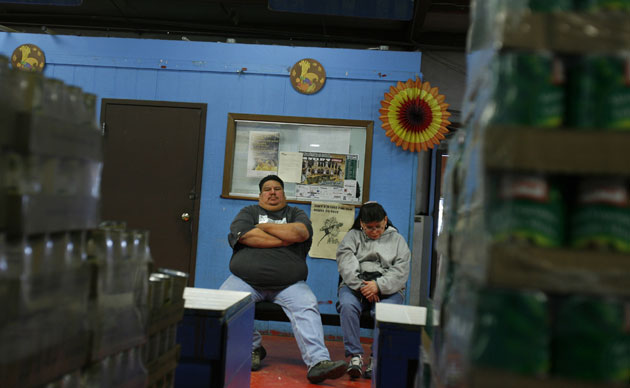
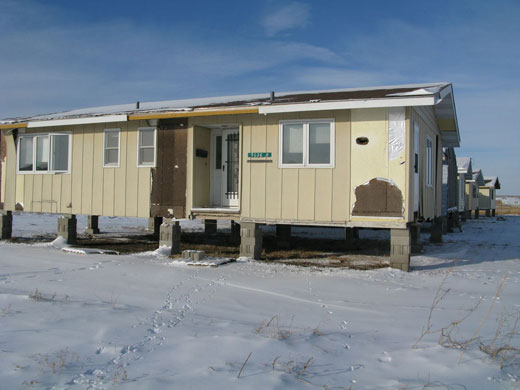
Circa 1891: Group portrait of Lakota chiefs, five standing and five sitting with tipi in background. Probably on or near Pine Ridge Indian Reservation. The chiefs who counciled with Gen. Miles and setteled [sic] the Indian War -- 1. Standing Bull, 2. Bear Who Looks Back Running [Stands and Looks Back], 3. Has the Big White Horse, 4. White Tail, 5. Liver [Living] Bear, 6. Little Thunder, 7. Bull Dog, 8. High Hawk, 9. Lame, 10. Eagle PipePhotograph: Library of Congress/guardian.co.uk17 Jan 1891, Pine Ridge, South Dakota, USA. An Oglala Sioux, named Tashun-Kakokipa or Young-Man-Afraid-of-His-Horses, standing in front of his lodge at Pine Ridge, South DakotaPhotograph: G. E. Trager/guardian.co.uk1907, Pine Ridge Indian Reservation, South Dakota. A photograph of Oglala warriors reenacting a planned raidPhotograph: Edward S. Curtis/guardian.co.ukPine Ridge Reservation. The caption for the memorial is: Virgil Randall, a Pine Ridge housing authority official, stands at the monument that marks the mass grave of Sioux men, women and children killed in the 1890 Wounded Knee massacre by the US armyPhotograph: guardian.co.uk04 Oct 2006, Rapid City, South Dakota, USA. Lawrence Red Feathers, 59, sits on his porch with his grandsons at Pine Ridge Reservation. American Indian men in the area of Rapid City, South Dakota have the lowest life expectancy of all people living in the the United StatesPhotograph: Jennifer Brown/guardian.co.uk04 Oct 2006, Rapid City, South Dakota, USA. Families wait in line to receive their monthly food at the commodities warehouse at Pine Ridge Reservation. American Indian men in the area of Rapid City, South Dakota have the lowest life expectancy of all people living in the the United StatesPhotograph: Jennifer Brown/guardian.co.ukHousing on Pine Ridge Reservation, South dakota
the caption on the housing sign: Disused houses from a nearby US air force base sold to the Pine Ridge reservation for $1 each as part of Washington's commitment to provide housing to the Sioux under peace treaties. But the tribe was then charged $25,000 to move each house and discovered that it would have to spend scarce funds to make them
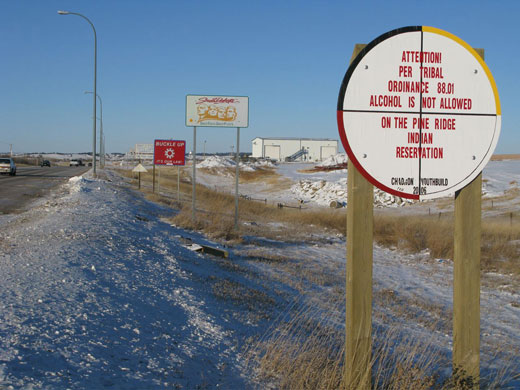
inhabitablePhotograph: guardian.co.ukPine Ridge Reservation, South Dakota. The caption on the alcohol sign: A sign warning that alcohol is banned on the Pine Ridge Indian reservation. But just a few yards away, on the other side of the Nebraska border, the town of Whiteclay exists only to sell beer and powerful malt liquors to people who live on the
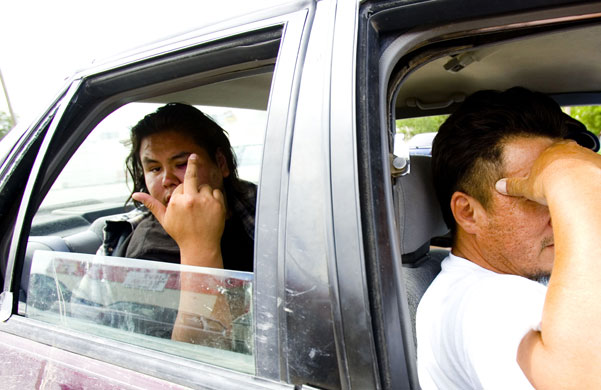
reservationPhotograph: guardian.co.ukA car drives by the local supermarket in Pine Ridge, South Dakota. Many people on the reservation get paid on the first of the month and choose to spend money on alcohol and drugsPhotograph: guardian.co.uk
Sign up to read this article
Read news from 100's of titles, curated specifically for you.