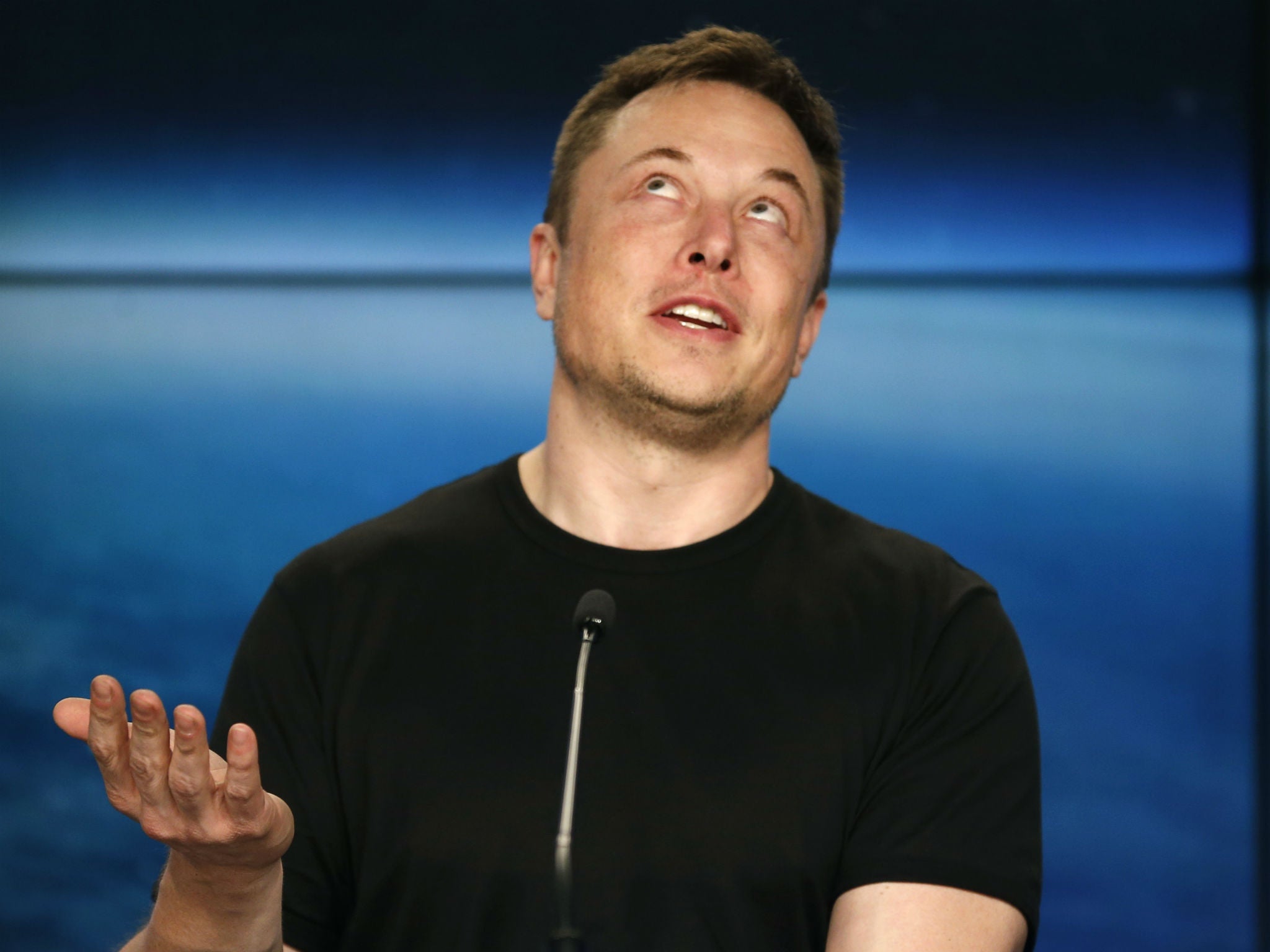
he other day, at the “Tesla Battery Day”, company boss Elon Musk, supported by his head of Powertrain development, Drew Baglino, made some typically bold, visionary announcements. Standing on the open air platform at Tesla HQ in Fremont, California, in black jeans and black T-shirt, every inch the modern tech boss, Musk addressed an audience of Tesla fans parked in their (Tesla) cars, plus another 270,000 devotees watching online. Musk enthralled them with his plans to revolutionise not just the automobile but battery technology and indeed the whole business of making things: “Tesla is aiming to be the best at manufacturing of any company on Earth”. He promised that, soon, Tesla would be building 20 million electric vehicles a year, roughly double what Volkswagen or General Motors or Toyota produce today. His new “tabless” cylindrical shaped batteries, nicknamed “biscuit tins”, will be six times as powerful as the current equivalents, far cheaper and deliver another 16 per cent in range for his cars. His “terrawatt” factory will make more battery power than any other plant in the world. By 2023, there will be an “affordable” ($25,000) new Tesla model for the masses – “in three years we can do a $25,000 [£19,600] car that will be basically on a par, maybe slightly better than, a comparable gasoline car”. He also announced a new high performance of his Model S saloon, the “Plaid” capable of 200mph, and getting from zero to 60mph in 2.3 seconds, all for $150,000 (a competitive price tag at that end of the market). Naturally the new cars will drive themselves. (The Plaid badge, like its sibling the Model S “Ludicrous” are jokey references to Mel Brooks’s 1987 sci-fi spoof Spaceballs).
Not since Jesus Christ delivered the sermon on the mount, or, perhaps, Boris Johnson last addressed a Brexit rally has a more fantastical, if not impossible manifesto been presented. All around the Tesla parking lot the faithful tooted their horns at each electrifying announcement; but a sceptical Wall Street promptly lopped $50bn of the value of the company, about a tenth. Musk, they recognised, had promised much already, with a mixed record of delivery. The analysts were waiting for even more outlandish vistas, or just evidence of improved profitability, things that might help lift the world out of its Covid malaise.
As Jim Cramer, legendary American stock pundit, commented, buying shares in Tesla is buying shares in Musk’s dreams; it is what it is. This time, Musk, even in his pomp, let the investors down. Well, sort of; the shares are still worth ten times what they were last year, and it remains the world’s most valuable car company.