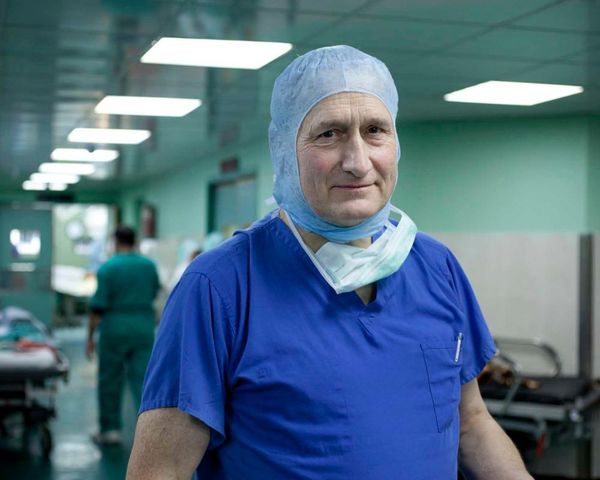
Sept. 22--If you cringe when you see "cooked to perfection" on a restaurant menu, you have a friend in Ezra Eichelberger.
As a professor of hospitality and service management at The Culinary Institute of America in Hyde Park, N.Y., Eichelberger is a pro at menu writing.
"It's very frustrating for me to go to restaurants and see menus (with) the misuse of punctuation or certain terminology," he says.
For example: the overuse of adjectives, many of which are inaccurate or unnecessary.
"Just list ingredients," he says, "and especially the allergens."
A few terms that particularly frustrate the professor:
Delicious: "Don't tell me how good it is. Just describe the dish and let the guest decide if it's good or not."
Homemade: "In some states, health departments will look at that and say, 'Well, whose home was that made in?' and they want see a health certificate." He suggests menu writers use "made on premises," "our own" or "baked on premises."
Traditional: "Everyone has their own concept of what traditional is. Now you've got to match that."
Wild mushrooms: "Drives me crazy because quite often they're not wild mushrooms. It's basically lying if you're saying wild mushrooms and you've got buttons in there." Plus, it's better to be specific: Different mushrooms have different textures, and knowing which varieties will be used adds value to a dish, he says.
Fresh: "It's another word I tell (students) not to use unless they're doing a fruit plate or something, because if you say one thing is fresh, it makes it sound like everything else isn't."
So what words would you like to see kicked off restaurant menus? Curated? Lightly fried? Tweet us @ChiTribFood.
jhevrdejs@tribpub.com
Twitter @judytrib