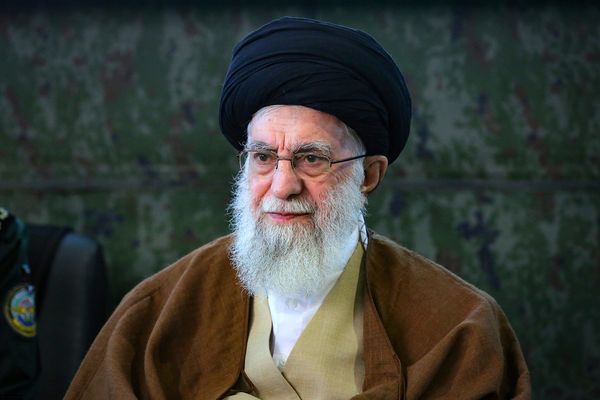
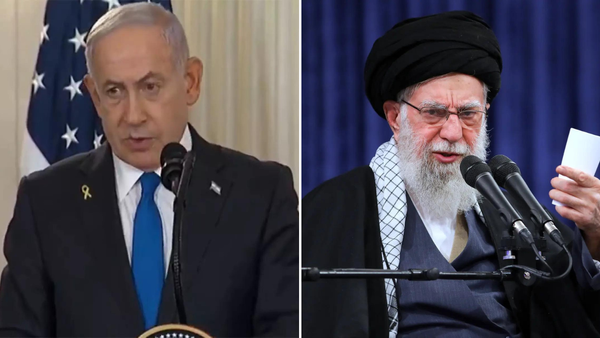
Steve Fossett and Richard Branson discuss the success of the GlobalFlyer mission. Photograph: Jane Perrone
A surprisingly fresh-looking Steve Fossett this morning sat in front of the plane in which he became the first man to fly solo and nonstop around the world, to talk to the press for the final time before they depart for the UK.
Fossett said he "felt great": "I got a good five hours sleep last night and I'm feeling very good. I'm ready to start working on the future."
(He's not a man given to poetic flights of fancy, if you will pardon the pun: a fact that has proved frustrating for the journalists following the story and looking for a juicy quote containing something other than "I'm happy" or "it's worrying".)
Fossett refused to say what his plans for the future were, although Branson said there is one idea that he is discussing with his friend - all he would say is that it's a "project on earth".
If one needed any further evidence of the amazing endurance powers of this 60-year-old man, get this: he said he could have flown on for another day without needing sleep. And having met him, I believe him.
Despite mission control's well-publicised fears that the flight was in serious trouble after 2,600lbs of fuel was accidentally lost through vents in the fuel tanks, chief engineer Jon Karkow confirmed that 1,515lbs of fuel was left on landing. He put this down to the fact that the fuel was lost early on in the 22,878-mile flight, meaning the plane was lighter and therefore more fuel efficient, and the fact that a strong jet stream came up trumps in helping to power the flight around the world.
"The airplane is a very capable one and in ideal conditions its capable of flying much further than around the world," he said. The tail winds were extremely good, especially on the leg between Japan and Hawaii," he said.
If you have missed any of the GlobalFlyer coverage, or want to watch video of the plane taking off and landing, just visit our special report.