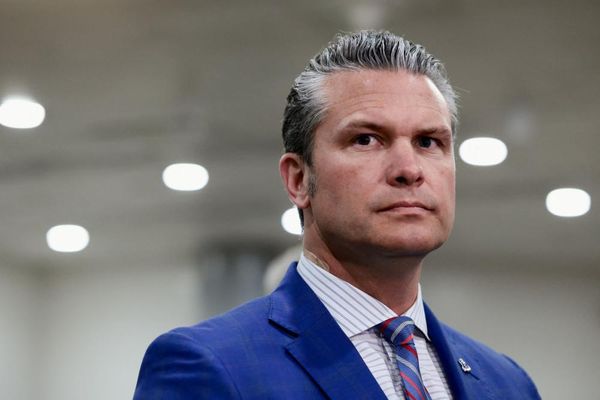
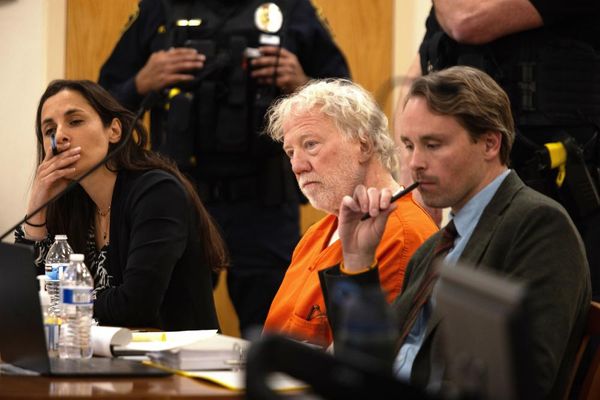
With intent: a scene from Munich
It's one of the film industry's oldest uncracked chestnuts. Are movies there to moralise? Or, are they purely for entertainment? In the words of one movie mogul (exactly which varies according to who's telling you), "If you want to send a message, send a telegram." Well the telegraph wires are busy with the question again, as a spat over Steven Spielberg's as yet unreleased Munich - about the aftermath of the massacre of Israeli athletes at the 1972 Munich Olympics - continues apace, writes Guy Dammann.
After a special screening of the film last week, attended by the Israeli consul-general in Los Angeles, Ehud Danoch, sources close to Spielberg admitted to a sense of relief that the diplomat, while expressing a few reservations about the film's angle, had offered no more damning judgment than, "It's a Hollywood movie."
Danoch must have slept on the verdict, however, because in an interview given later to an Israeli radio station, his commentary is a good deal more severe, castigating the film for its "pretentious" and "superficial" handling of the story, and for the "incorrect moral equation" drawn between the terrorists and their alleged pursuers. Other responses from prominent Israelis include, "We have lost Hollywood, and we have lost Spielberg", while the horse's mouth may also be heard on the subject in an interview published in the latest Time magazine: "I'm always in favour of Israel responding strongly when it's threatened. However, a response to a response doesn't really solve anything".
Meanwhile, a debate is gaining momentum as to whether the long-term decline in cinema admissions should be blamed on the "loony-liberal" stronghold in the Californian hills (and not of course, factors such as the general public's growing antipathy to being force-fed dumb blockbusters like The Island, nor the exponential growth in home cinema). Too much schmoralising, and not enough moralising, has long been the clarion call of American conservatism, but now, with the advent of pro-Republican film festivals, such as the Dallas-based American Film Renaissance Festival and the new Hollywood Liberty Film Festival, may just be neo-conning film-makers into putting more principles into their practice.
Even in our own pages, esteemed commentators are exchanging blows over the moral merits of the biblical allegory in CS Lewis's Narnia stories and its indisidious, or perfectly healthy presence in the blockbuster adaptation.
Whatever your politics, you're bound to find some silver screen message to complain about - there's no such thing as a story without a subtext. The question, though, is one of whether we want to employ the mighty emotive machinery of feature films to get people to see certain political and moral situations in certain ways, or whether we would prefer our films to bring out their ambiguities and question our natural responses.
Spielberg, who has tagged Munich a "prayer for peace", has constantly (and rather optimistically) maintained that his new film should serve a specifically political end of increasing the level of mutual understanding. Jean-Luc Godard, whose remarks about Michael Moore's Cannes victory have not gone unreported, would presumably have something to say about it. What do you think?