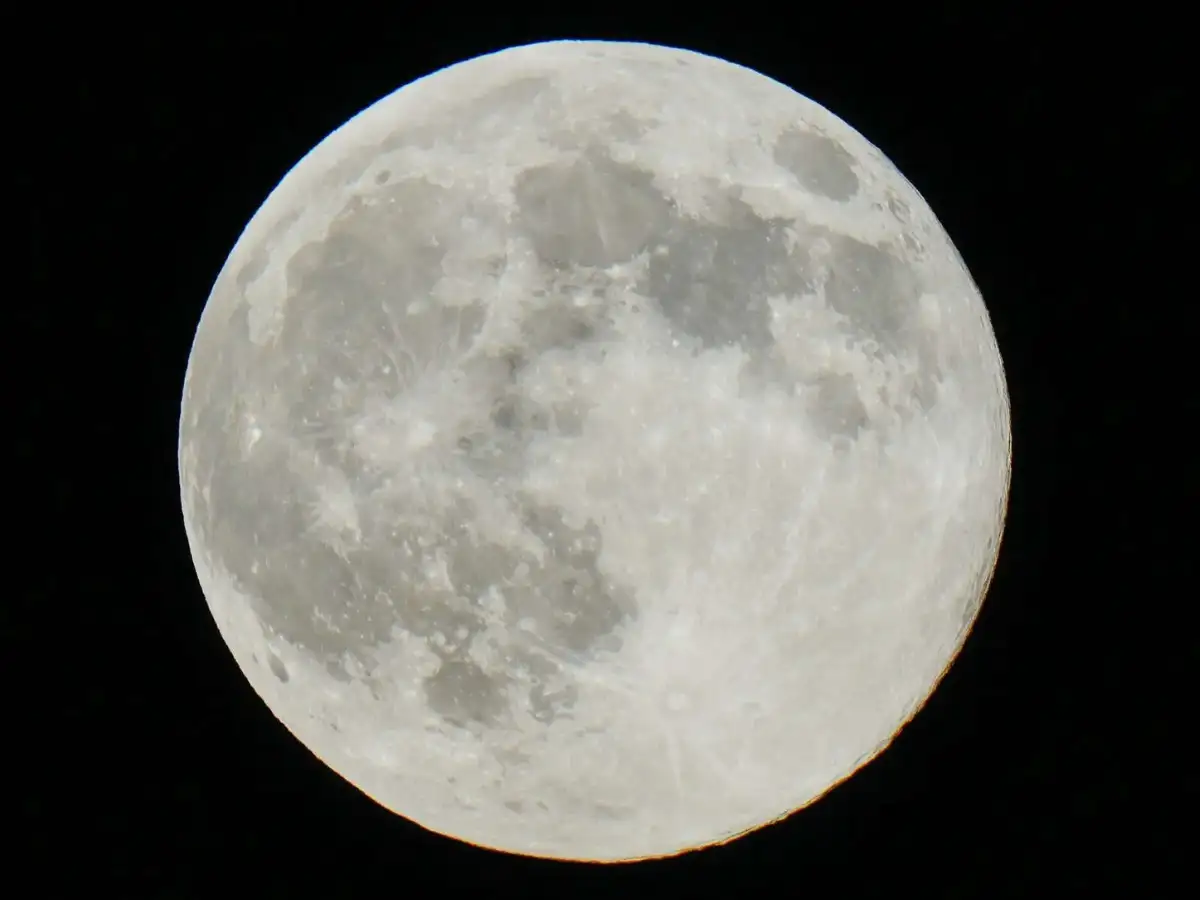
You probably haven’t noticed, but your days are getting longer. Not in the “I wish this workday would end” sense, but literally. The Earth is slowing down, and the Moon is applying the brakes. The numbers show it. Scientists have confirmed it. Here's the kicker: our own carbon footprint is now part of the equation.
The Moon is drifting away, and taking our time with it
Each year, the Moon moves about 1.5 inches (3.8 cm) farther away from Earth. That sounds like a little change, but that slow drift has had a huge impact on the length of our days over billions of years. In the early days of Earth, a full day was less than 13 hours in length. Now it’s 24, and still climbing.
The reason boils down to tidal friction. As the Earth rotates, the Moon’s gravity pulls on the oceans, creating the familiar high and low tides along the coasts of places like Miami or Cape Cod. But there’s a delicate tug of war going on. The Earth spins faster than the Moon orbits, so the tidal bulge in the ocean gets pulled a little ahead of the Moon. That misalignment acts as a brake on the spin of our planet, transferring energy to the Moon and nudging it into a slightly higher orbit year after year.