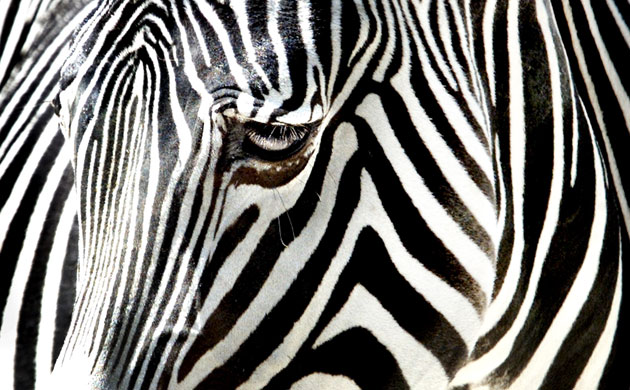
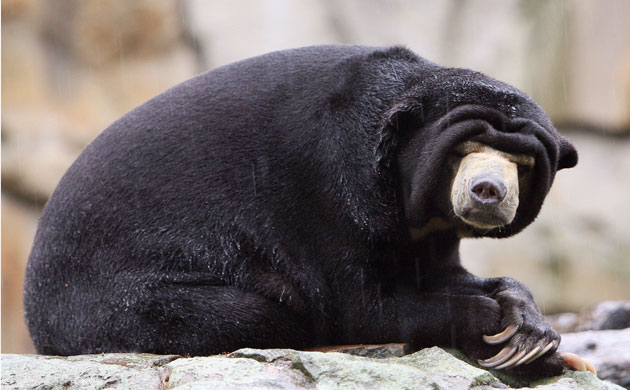
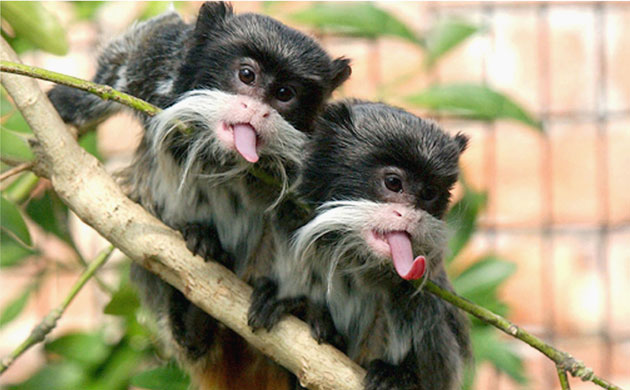
The zebra's distinctive coat pattern may confuse predators or help it avoid tsetse fliesPhotograph: Frank Rumpenhorst/APMalayan sun bears have prominent white chest marks that signal dominancePhotograph: Barbara Sax/AFPThe emperor tamarin's white moustache is probably used for communicationPhotograph: Mike Walker/Rex Features
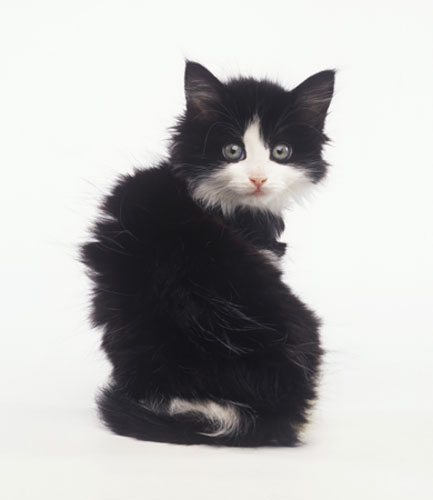
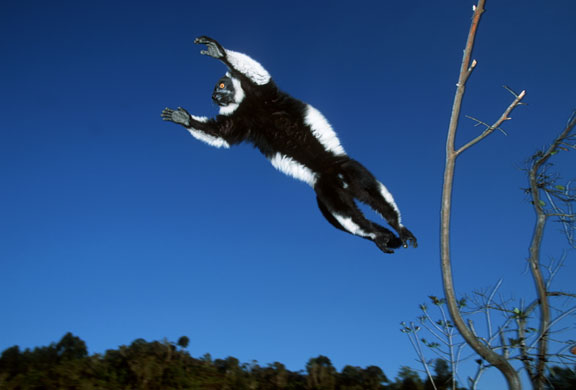
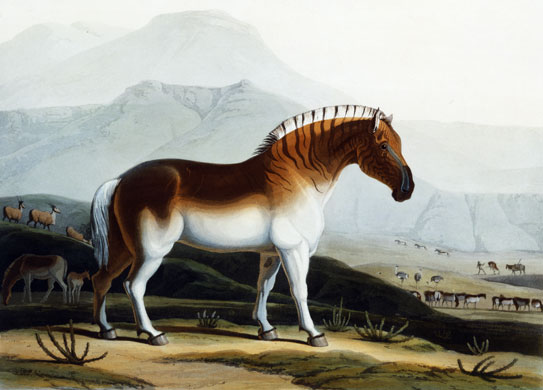
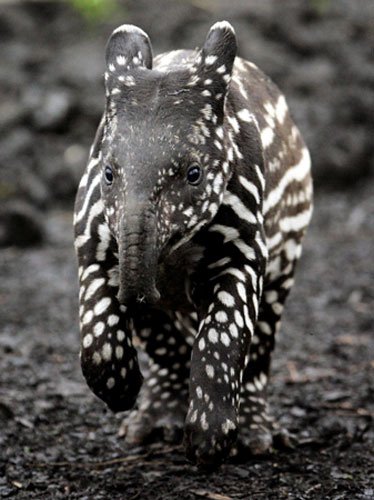
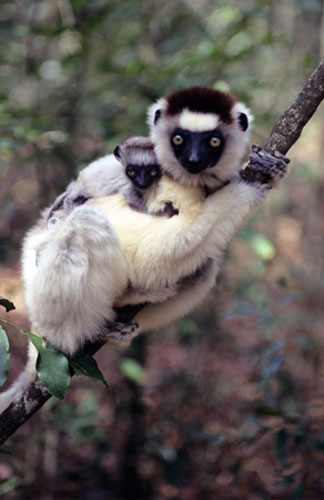
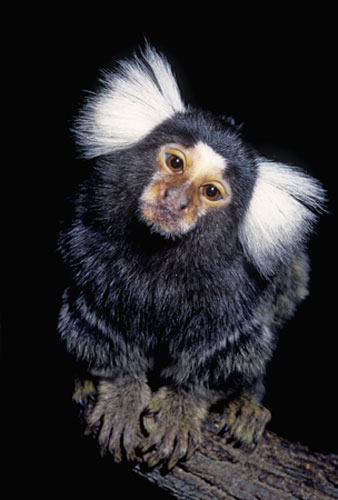
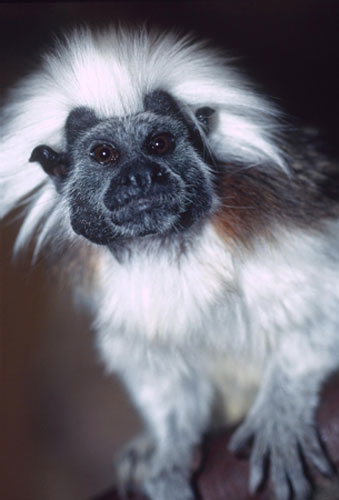
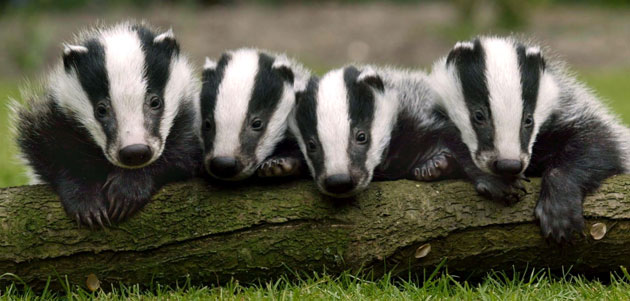
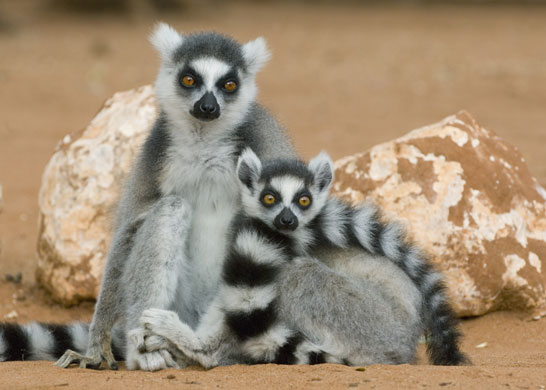
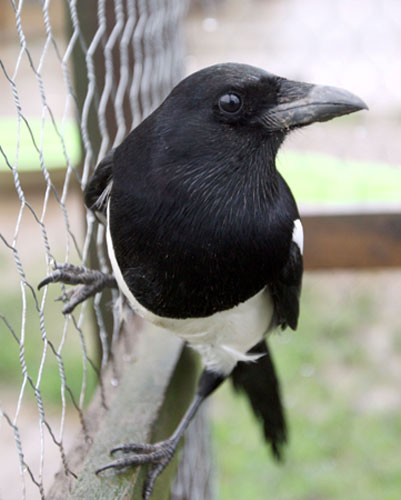
Monochrome colouration can be caused by domestication, as seen in the common catPhotograph: Pat Doyle/CorbisMadagascan black and white lemur leaping through air Photograph: Martin Harvey/CorbisThe now extinct Quahkah or quagga by Samuel DaniellPhotograph: CorbisKirk's dik-diks: the spots on their face probably draw attention to scent glandsPhotograph: Markus Botzek/CorbisThe pattern on a tapir may serve to break up the animal's outlinePhotograph: Andrew Milligan/PAThe giant panda's black eye-patches may reduce glare from sunlight reflected off furPhotograph: Nir Elias/ReutersA baby Verreaux's sifaka clings to its mother's backPhotograph: Chris Hellier/Rex Features The common marmoset's ear tufts probably help in communicationPhotograph: CorbisMore colouration to aid communication in the cotton-topped tamarinPhotograph: Chris Martin Bahr/Rex FeaturesThe European badger's distinctive face may be a warning to would be attackersPhotograph: Richard Austin/Rex FeaturesRing-Tailed lemurs use their striped tails in communicationPhotograph: Kevin Schafer/CorbisThe European magpiePhotograph: Richard Austin/Rex FeaturesAn orca or killer whalePhotograph: Tom Brakefield/Corbis
Sign up to read this article
Read news from 100’s of titles, curated specifically for you.