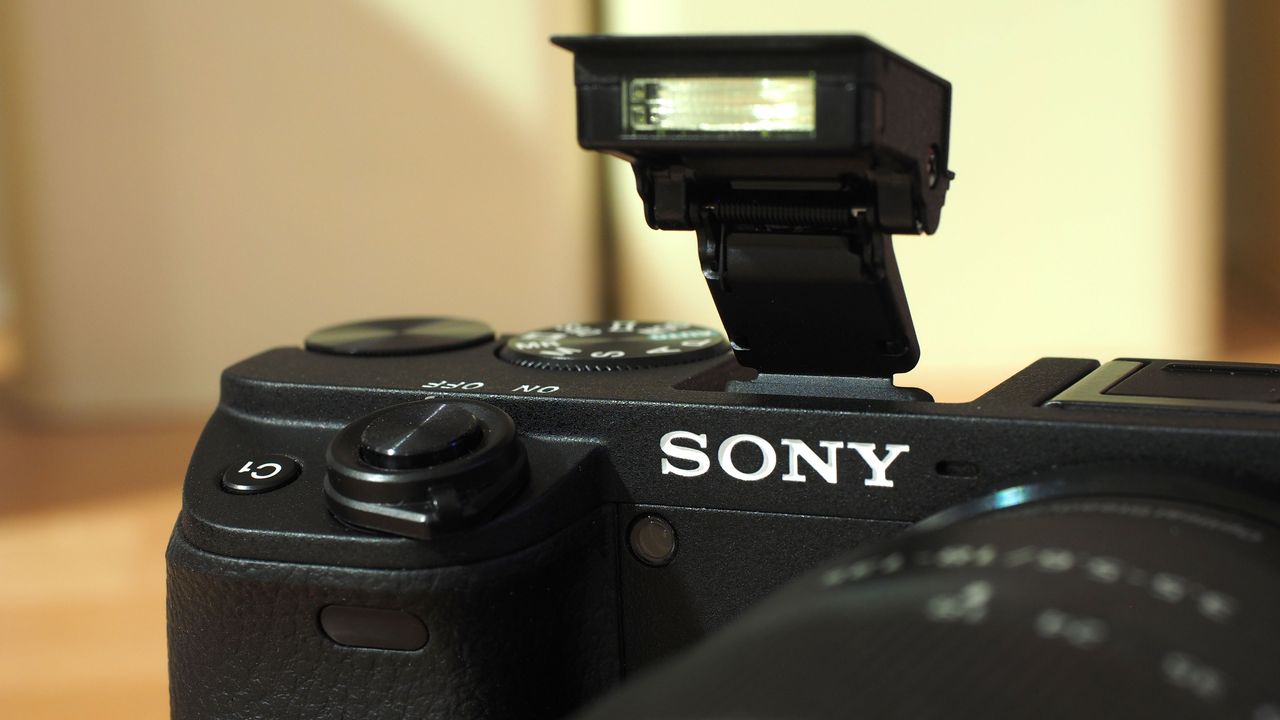
The camera industry has gradually shifted from DSLR to mirrorless, but there’s a key piece of tech that’s much easier to find on a DSLR than a mirrorless: a pop-up flash.
Pop-up flashes have long been more common among entry-level cameras than high-end pro cameras – after all, most pros would prefer to use more powerful hotshoe flashes and off-camera lights. But, in the DSLR era, there were still some full-frame cameras that managed to pack in a hidden flash, most notably from Nikon, including the Nikon D810 and D750.
But, lately, even APS-C mirrorless cameras tend to skip out on the pop-up flash. There are a handful of options, including the Nikon Z50 II, the Canon EOS R50, and the Sony A6400, to name just a few. But, the number of cameras with pop-up flashes feels as if it's diminishing quickly.
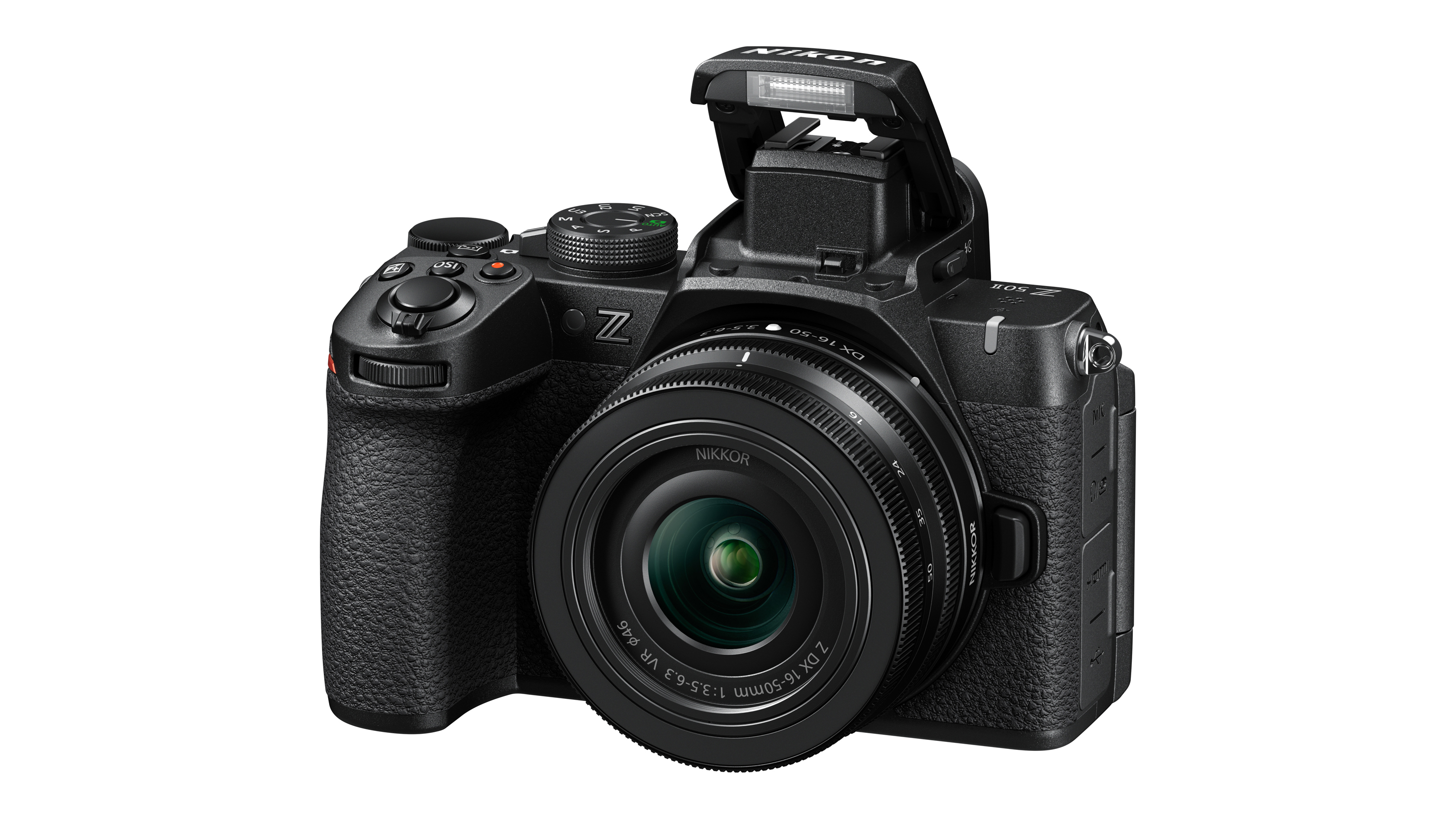
In the mirrorless era, a pop-up flash seems less of a must-have feature. Ironically, the direct flash look seems to be trending, as the harsh light carries a bit of a retro, candid feel to it.
There are a number of reasons behind the declining number of pop-up flashes in mirrorless. A pop-up flash is harder to weather-seal (though not impossible). Adding a flash adds to the size of the camera, and many more entry-level mirrorless cameras prioritize a compact size.
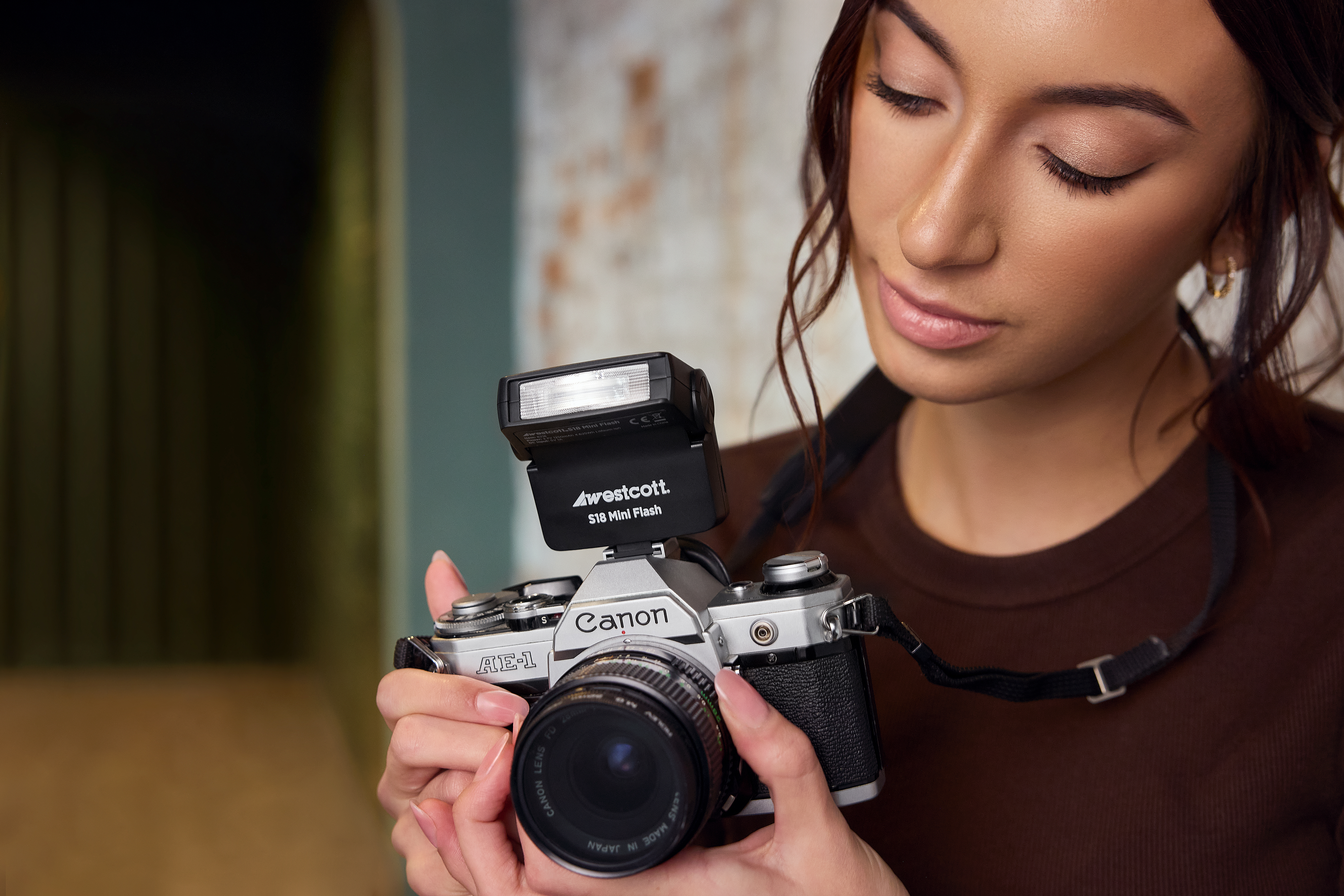
Instead, there seems to be a growing number of portable budget flashes ready to take the pop-up’s place. Just this week, Westcott announced the S18 Mini Flash, a 3.5 oz (100g) flash that costs under $40 / £40. Unlike many cheap flashes, the S18 is small but still has a tilting flash head.
And the S18 is far from alone. The list of pocketable budget flashes includes models like the Godox iM20 / iM22, the Godox iT20, and the Viltrox Vintage Z1, among others.
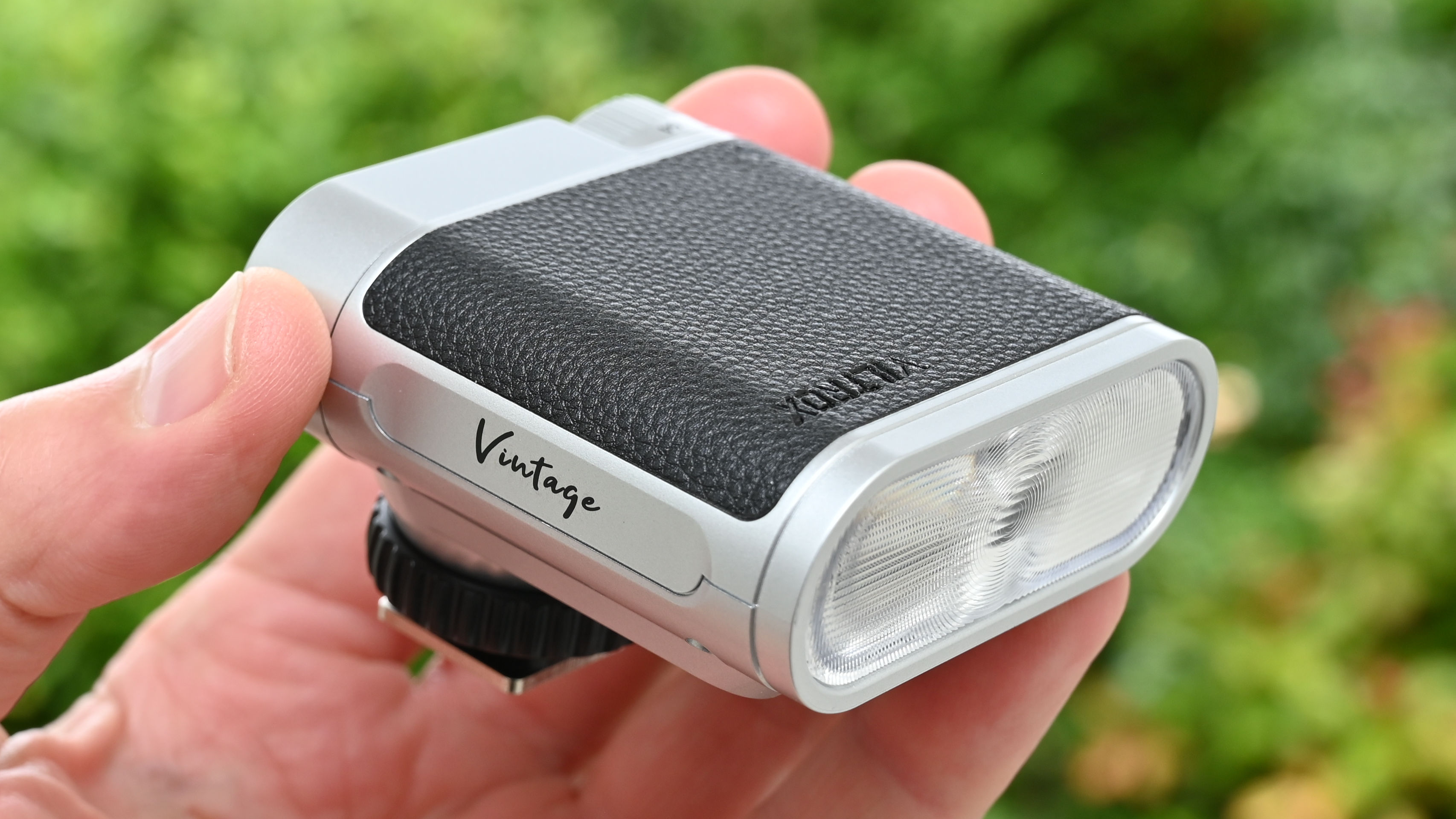
I don’t have a pop-up flash on my mirrorless camera – but I don’t really miss it either. The only time I really miss it is when I pack light for a trip and opt to leave my admittedly bulky hotshoe flash behind.
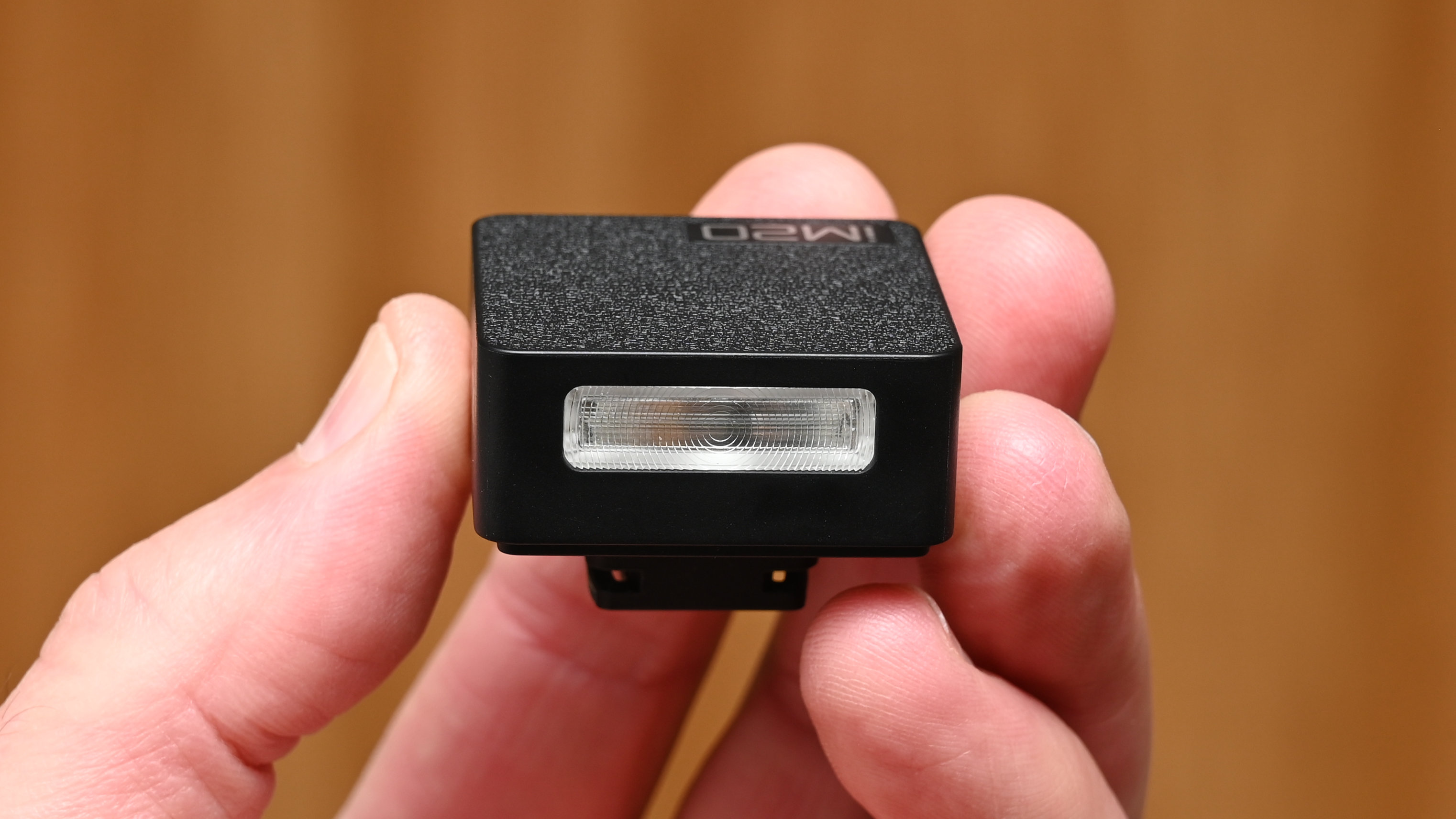
Otherwise, my hotshoe flash offers more power and far more flexibility with the ability to bounce and modify the light. Modifying a pop-up flash is harder to do, and the built-in flashes can’t be tilted to bounce light off a wall or the ceiling for softer light.
But the compact camera trend is also bleeding over into mirrorless cameras. A pop-up flash will likely make a mirrorless body larger, but then again, so will needing to pack an extra flash.
You may also like
Browse the best hot shoe flashes.