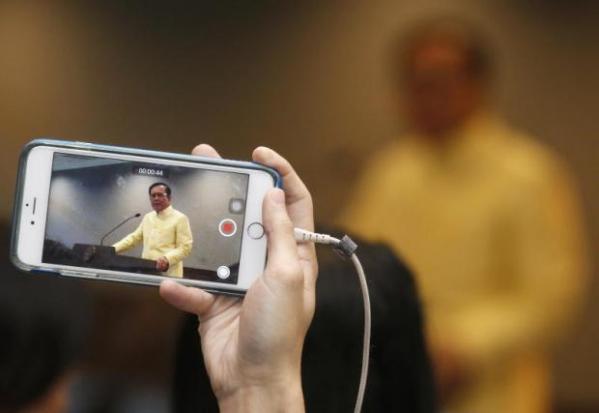
Almost every morning, Sorn* wakes up to her parents' fierce arguments over the current political situation. When she decides to take refuge on social network, what she finds is the same kind of frustration, with netizens harshly criticising the party that recently won Sorn's vote.
In this heated political climate, Sorn is not alone here in Thailand. She is one of the people who has constantly been attacked by stress and anger caused by the country's political conflicts, especially after the March 24 general election. According to data from the Department of Mental Health, the Ministry of Public Health, the number of people who called the state hotline 1323 to seek psychiatric consultation over political-induced stress has increased by 68% since the March ballot. Last month alone, the hotline received 37 calls from people who wanted to get stuff off their chest, as they felt exasperated about having opposite political standpoints from their friends, family and colleagues.
After the March 24 voting, Thailand's political landscape has been full of uncertainty, especially as to which political parties are going to form the next government. News on how to form a coalition has been reported almost every day ever since. While political bodies are fighting their way to the parliament, the public is left mostly in doubt. Unfortunately, their excessive data input and overconsumption of news from various medial outlets have undoubtedly increased the level of stress and anxiety they are forced to face.
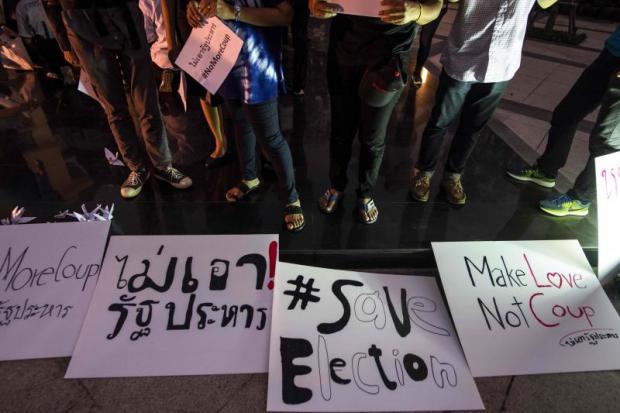
"Political stress is a kind of stress, especially for people involved in politics or whose lives have been affected by politics. People suffering from stress are likely to suffer emotion-related conditions like moodiness, anxiety, unhappiness, boredom, or have behavioural changes such as isolation, less productivity, or memory problems. Some people have physical symptoms, too, such as stomachache or headache," explained psychiatrist Dr Komsan Kiatrungrit of Child and Adolescent Psychiatry, the Faculty of Medicine under Ramathibodi Hospital, Mahidol University.
Politically-induced stress happens in many other countries. Take the United States, for instance. According to 2017 statistics from the American Psychological Association, nearly two-thirds of Americans were reported to have been stressed out by thinking about the future of their country. Almost 60% of people polled in January 2017 admitted they were stressed out because of the political climate, over 65% about the future of America, and 49% about the outcome of the 2016 presidential election.
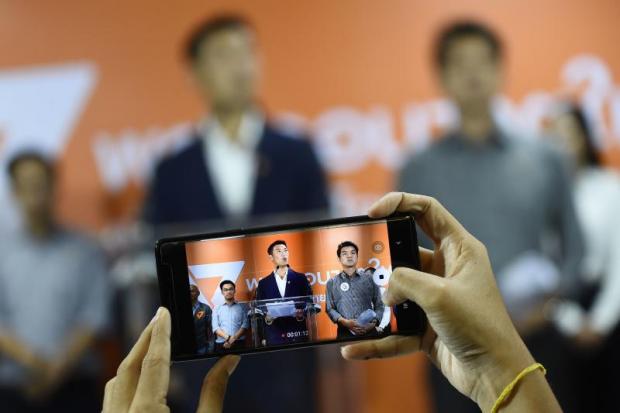
The Brexit saga in the United Kingdom is another example of politically-induced stress that takes its toll on people. Just last month, the Mental Health Foundation in the United Kingdom released a report stating that around four in 10 people reportedly felt either powerless, angry or worried about Brexit. Overall, around 22 million people in the country were affected by the uncertain political situation. Bloomberg also reported late last year that after the 2016 Brexit referendum, the country saw a 13.7% increase in prescriptions for antidepressants relative to other drugs, and that political chaos has consequences for public health.
The availability of on-the-go devices like smartphones and tablets has allowed people to more easily access news anywhere and anytime. Many people spend a lot of time on their phone to update political news via online and social media constantly, which isn't a healthy habit, according to Dr Komsan.
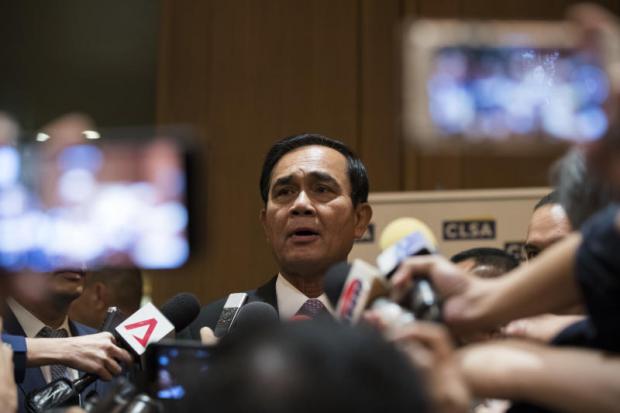
"People should have a certain judgement as to how accurate the news actually is," he said. "They should stay neutral and read both negative and positive news of each [political] side. Whenever people feel obsessed about political issues, they should turn to read about other subjects. But it can be difficult, because the algorithm of social media can track their interests and make them see those issues often."
Dr Komsan recommended people reduce their screen time. While the Department of Mental Health suggested only a maximum of one hour a day for news consumption, Dr Komsan is not that specific. Instead of telling people how many hours they should spend online, the specialist said that whenever following politic issues starts to affect their responsibilities and relationships with others, they should cut back their online use and shift to other activities immediately.
"People should manage online and social-media use appropriately," the psychiatrist suggested. "If you can't avoid receiving news, you should practise news-analytical skills."
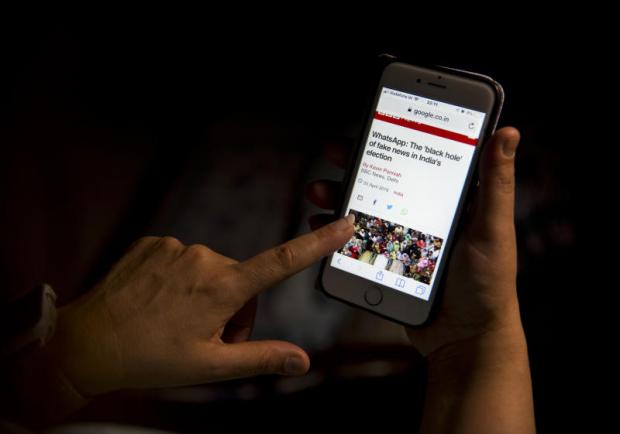
Unlike in the past, hoax and misinformation now can reach a large number of news readers much more easily and quickly via online and social-media channels. While online news reporters might be deemed responsible for this, the psychiatrist urged online media to remain neutral when producing their coverage. At the same time, they could warn their own readers to use their judgement while consuming content. Also it's a must to stay polite when it comes to online comments or criticism.
"Don't be aggressive or condemn others who disagree with you. [After reading something], people should fact-check, and if they feel like replying, do it nicely. And don't share or forward any unreliable news to others."
Not only does the political melodrama make people stressed out; it can lead to arguments, if not a fight, among family members, relatives and colleagues, especially when they think differently or support political parties from the opposite side. Although it might sound easier said than done, Dr Komsan suggested the public stay neutral in order to avoid any quarrels that could somehow lead to the end of relationships.

"You should be aware of your emotions, like whether you are unhappy because others blame what you believe or you don't like their different opinions. You should stay neutral and accept that people can have different viewpoints. Each side has pros and cons. If they respond to your comments aggressively, you should reply to them calmly with facts. If it is impossible to discuss with them, you should divert their attention to something else."
To relieve stress, the psychiatrist advised that people should from time to time distract their interest in political news by doing other activities, such as playing musical instruments, exercising or focusing on other hobbies. Anyone who pays so much attention to political issues that they ignore their duties or responsibilities or family matters should return to their jobs.
In the worst cases, wherein politically-induced frustration and anxiety cannot be relieved and they start to affect people's work, study or relationships with others, a consultation with medical experts might be the right answer.
"If you are obsessed with political news until you can't be responsible for your study or work, or it causes you disputes with your bosses or colleagues, or affects your daily routines, you should see a consultant," Dr Komsan concluded.
*not her real name