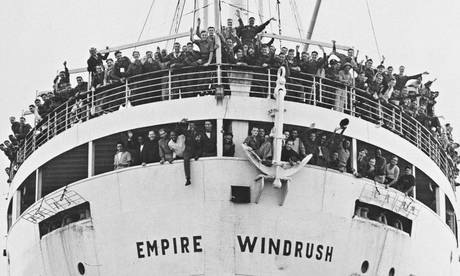
My parents came to Britain from India in 1975 as ambitious young adults. Forty years on, they have spent many more years in England than anywhere else, always immersing themselves in British life.
They have soaked up British culture, made British friends, had British children, become British citizens, worked hard for decades in the British NHS – always paying British taxes. Surely now they should be considered British through and through. But sometimes the tone of the debate around immigration makes me wonder.
Take the conversation triggered last week by the publication of a study by the University of Manchester and the Migrants’ Rights Network, which showed the power of the “migrant vote”. The issue is legitimate and fascinating, something that I have written about in the context of Conservative woes.
What worried me this time was the way the revelation was greeted that four million of those able to participate in May’s general election are foreign-born. At times, there was a sense of shock and unease. One table posted online by a journalist didn’t bother describing the individuals as “migrants” or people “born overseas”, as the report did. Instead, it simply called them “foreign” – with the single biggest group originating, like my family, from India.
Now it is true that some of those could be Commonwealth citizens from a handful of countries given that electoral right. But many of them (and I suspect the ones most likely to exercise their vote) will be people just like my parents – folk who came to Britain from overseas, but who have since long settled and made their lives here.
So I ask: what does it take for an immigrant to become a true Brit? Is it living here for five years? Ten? Twenty? Half a century? Or more? Or is it about how you sound? Will an African or Asian accent, however faded over decades, always prove a barrier in some people’s opinion? Or is it, as many non-white immigrants I know believe, skin colour that is the biggest challenge?
The best recent research into these opinions comes from the British Social Attitudes survey, which found 77% of people think that to be a true Brit you must be born in this country. But it also showed that more than half think your parents and grandparents must be born here, too.
So, in most people’s eyes, it is not just my parents who would not be considered British, but me too (and many well-known celebrities and politicians for that matter). Yet no serious political party, including Ukip, is considering any sort of policy of repatriation. So why can’t the wider debate be more nuanced? Why can’t it acknowledge that people such as my parents are so ingrained into their local communities that they are as much a part of British life as any one of their neighbours?
I don’t say any of this to deter a robust debate about immigration – I think we need that – but I don’t believe it has to be mired in negativity. Acknowledging and tackling people’s fears about the impact of a rising population does not have to be accompanied by an implied attack on the individuals who have come here and are still coming here legally, and with very decent motives.