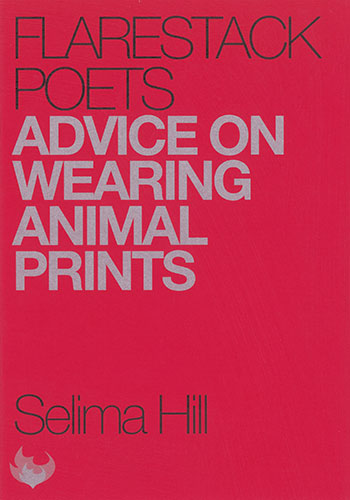
The judges say: This is a disconcerting tragi-comedy told across the letters of the alphabet. The heroine, Agatha, is missing one arm, but it’s what missing in the rest of the world – its cruelty of exclusion – that is so unsettling. This is both a funny and challenging work by a poet who has recognised and so impressively utilised many of the special qualities of the pamphlet form
Photograph: Poetry Book Society
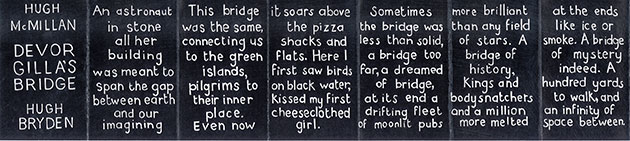
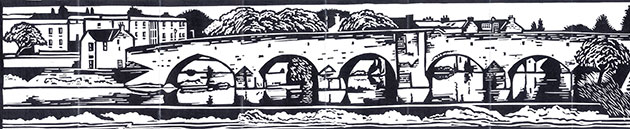
The judges say: A single fold-out poem devoted to what is said to be Scotland’s oldest bridge, this work is a beautiful fusion of art and poetry: voice and vision are joined in affection for “A hundred yards to walk, and an infinity of space between.”
Photograph: Poetry Book Society
Photograph: Poetry Book Society
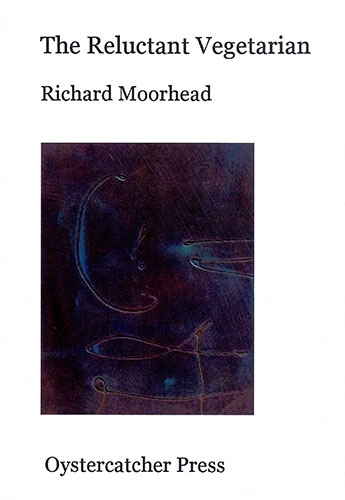
The judges say: This book is a deliberate cross between a medieval herbal, a farmer’s calendar, and an English dictionary. Not only do the poems uncannily evoke the visual and sensual qualities of each vegetable in question (or fruit, or nut), they beautifully reflect the sensual and visceral qualities of modern life
Photograph: Poetry Book Society
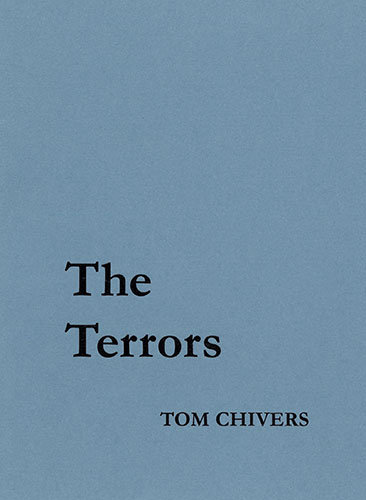
The judges say: If email had been possible in the violent days of 18th-century London, perhaps The Terrors would be a document from those times. This collection of rogues’ letters imagines a digital correspondence not just within that period but forward to our own. It challenges the reader with its question “What fires will quench the thirst of the hangman?”
Photograph: Poetry Book Society
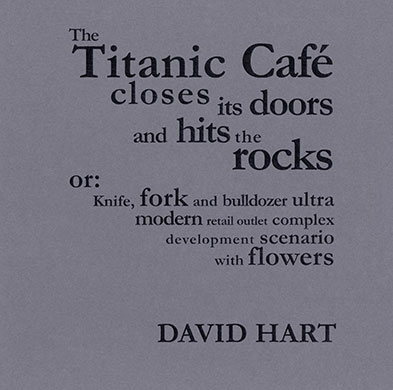
The judges say: An elegy for a disappearing locality within Birmingham, The Titanic Cafe observes the wildflower beauties of condemned "wasteland" spaces and the social history in and around dwindling independent cafes. At times song-like, at times adopting a more intimate conversational style, this single poem incorporates lyrical lists, advertising slogans and local wisdom to memorable effect
Photograph: Poetry Book Society
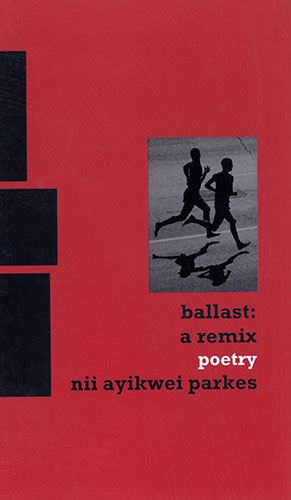
The judges say: Imagine the slave trade had operated through air-borne balloons rather than ships. In ballast: a remix this breathtaking concept produces a remarkable sci-fi of the past, brilliantly bringing this brutal historic topic back into a lyrical but edgy politics for our times
Photograph: Poetry Book Society