
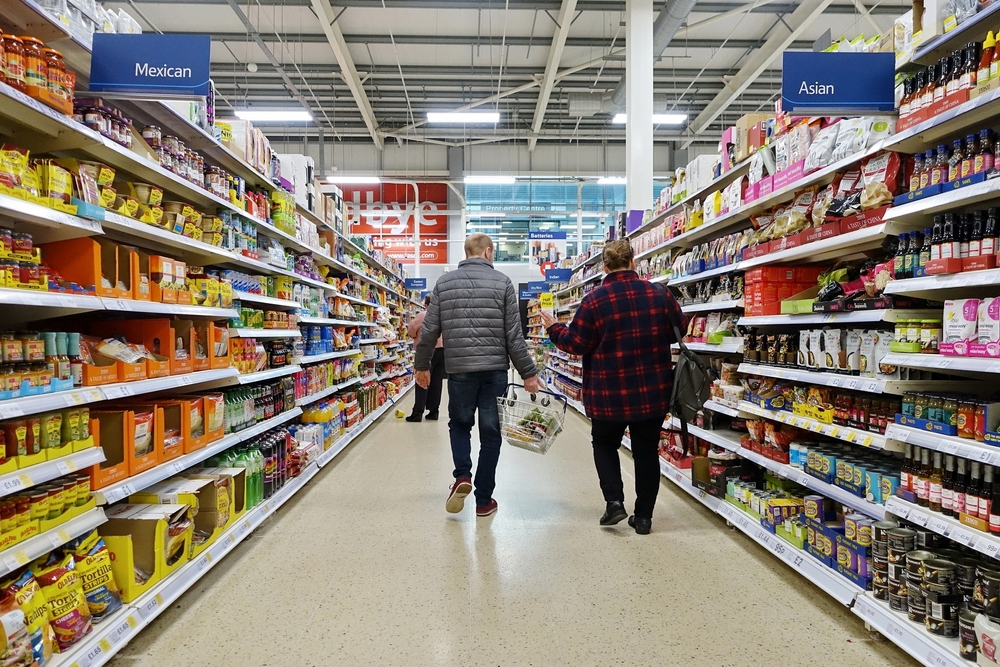
When two massive supermarket chains merge, the ripples are felt by everyone who buys food. The merging of grocery giants isn’t just about corporate strategy—it’s about what ends up in your cart, how much you pay, and even what your local store looks like. Grocery shopping habits are already shifting rapidly, and this kind of merger could accelerate that trend. Prices, product choices, and loyalty programs might all be rewritten. Whether you shop once a week or every other day, this change could quietly reshape your kitchen routine.
1. Price Power in Fewer Hands
The merging of grocery giants puts enormous pricing power into fewer hands. When two major players combine, they gain leverage with suppliers and can push for lower wholesale costs. That sounds like a win for shoppers at first. But history shows that consolidation often leads to fewer competitors, and fewer competitors can mean higher prices over time.
In smaller towns where one of these companies already dominates, the merger could remove the only alternative. Shoppers might face higher prices on staples like milk, eggs, and bread because there’s no rival store to keep prices honest. Even online grocery delivery could become more expensive if one company controls the majority of local inventory.
2. Store Closures and Community Impact
When large grocery chains merge, overlap becomes a problem. Two stores within a few miles of each other can’t both survive. That’s when closures start. Many communities depend on their neighborhood grocery store not just for food, but for jobs and a sense of connection. If one of the merging chains shutters a location, the nearest option might be miles away.
Rural and low-income neighborhoods often feel this first. A closed store can turn a community into a food desert overnight. The merging of grocery giants could unintentionally widen the gap between those with easy access to fresh produce and those without. Local farmers and small suppliers who rely on regional distribution networks could also lose shelf space when bigger brands take over.
3. Loyalty Programs and Data Control
Customer data is gold in the grocery world. When two massive retailers merge, their loyalty programs often do too. That means one company suddenly knows not just what you buy, but how often, where, and with which coupons. The merging of grocery giants could create a single database covering millions of shoppers, giving the new company unmatched insight into consumer behavior.
This could lead to more personalized promotions—but also tighter control over pricing. Those digital coupons you rely on might become harder to stack. Points systems could change overnight. The company might use its data to tailor prices to specific customers, rewarding some while quietly raising costs for others. It’s a subtle shift, but it changes how fair the grocery experience feels.
4. Product Variety and Private Labels
One often-overlooked effect of grocery mergers is the impact on product variety. When big companies consolidate, they streamline inventory to cut costs. That means fewer brands on shelves. Smaller, regional food producers often lose their contracts because the new parent company prefers national suppliers. The merging of grocery giants could make store-brand products more dominant than ever.
Private labels often come with lower prices, but they also reduce choice. A shopper who once had five types of salsa to pick from might soon have two—one national brand and one private label. That’s efficient for the store, but not necessarily for your taste buds. Over time, this can dull the diversity of local grocery culture, replacing it with uniform aisles that look the same from coast to coast.
5. Online Shopping and Delivery Shifts
The grocery industry’s digital side is evolving just as fast. When major companies merge, their online platforms often merge as well. That could mean a more streamlined app or faster delivery options. But it could also mean fewer choices for where to order your groceries. The merging of grocery giants might create a single online ecosystem that dominates grocery e-commerce.
Independent services and smaller delivery startups could struggle to compete. On the other hand, customers may gain access to better technology, including real-time inventory tracking, improved substitution options, and faster pickup windows. It’s a trade-off between convenience and competition. Once the dust settles, it might be difficult for any new player to break in.
6. The Future of Food Choices
Every merger sparks a promise of efficiency, but that promise hides a bigger question: what happens to choice? The merger of grocery giants will likely influence the types of food produced, distributed, and promoted. If one company controls a significant portion of the supply chain, it can determine which products succeed and which fail. That power subtly shapes diets.
It’s possible that healthier options could expand if the merged company sees demand for them. But it’s just as possible that processed, high-margin foods will fill more shelves. The real impact will depend on how this newly formed grocery empire strikes a balance between profit and public responsibility.
What This Means for Your Next Grocery Trip
The merging of grocery giants will affect how you shop, what you pay, and how far you travel for your groceries. It’s not just a business story—it’s a personal one that touches every kitchen and pantry. As the industry consolidates, your choices might narrow, but your awareness can grow. Watching how these changes unfold helps you make smarter, more intentional decisions about where your food comes from.
What do you think—will the merging of grocery giants make shopping easier or more expensive for you?
What to Read Next…
- 15 Shocking Grocery Price Comparisons That Will Change How You Shop Forever
- 5 Ways Grocery Stores Can Change Sometimes for the Worse After a Buyout
- Why So Many Big Brands Are Pulling Out of Grocery Chains
- Why You Should Stop Grocery Shopping on Sundays and What Day Is Best
- Here’s Why More People Are Switching to Aldi and Trader Joe’s in 2025
The post The Merging of Grocery Giants Could Change How You Eat Forever appeared first on Grocery Coupon Guide.