
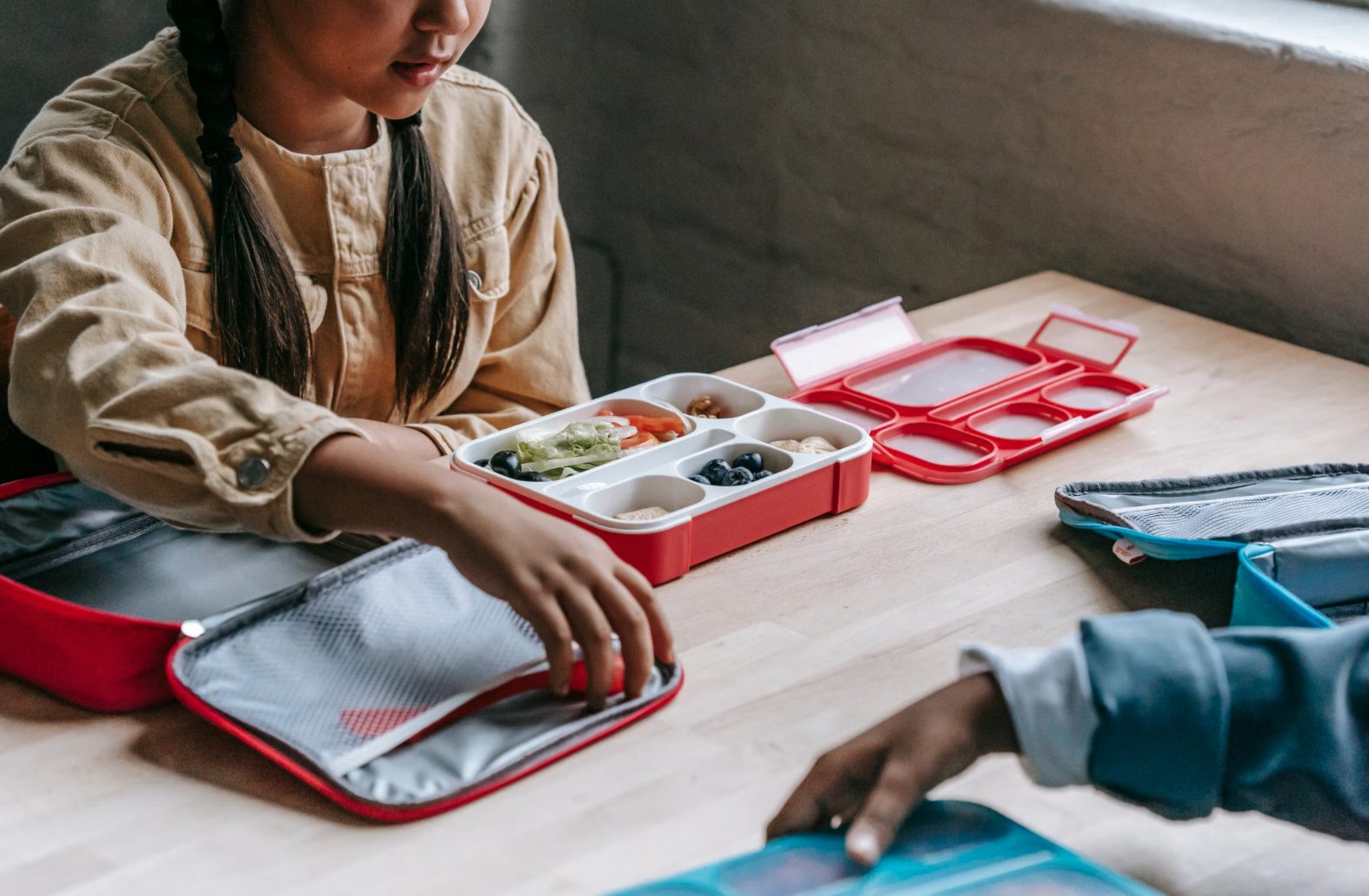
Packing a school lunch can feel like a daily guessing game. One day your child happily eats sliced cucumbers, and the next day they come home untouched. Parents often assume they’re doing something wrong, but research shows that food preferences, short lunch periods, distractions, and changing tastes all play a role. Understanding which lunchbox items are most likely to return home uneaten can help families reduce food waste, save money, and make school lunches more enjoyable.
Raw Vegetables Often End Up Back at Home
Raw vegetables are one of the most commonly uneaten lunchbox items, especially when they’re packed without a dip or paired with unfamiliar foods. Recent research has found that children with picky eating habits are significantly less likely to eat vegetables or salads during school lunches than their peers. Fresh carrots, celery, cucumber slices, and bell peppers may be nutritious, but many children simply run out of time or choose foods they enjoy more first. Instead of eliminating vegetables, try offering smaller portions with hummus or ranch dressing. Many parents also find that rotating vegetables instead of packing the same ones every day improves acceptance over time.
Whole Fruit Can Be More Trouble Than It’s Worth
Whole apples, oranges, and pears often come home untouched because they take longer to eat during limited lunch breaks. Younger children may also struggle to peel fruit or bite into larger pieces comfortably. Cutting fruit into bite-sized portions or packing berries, grapes, or melon cubes can make healthy choices easier to finish. Studies of school lunches have consistently found that fruit is one of the foods picky eaters skip more frequently than other children. Convenience matters just as much as nutrition when the lunch bell only lasts 20 to 30 minutes.
Large Sandwiches Frequently Go Half-Eaten
A full-size sandwich may look like the perfect lunch, but many kids simply don’t have the appetite or time to finish it. Parents often discover that only a few bites disappear before the sandwich heads back home. Packing half sandwiches, sliders, or pinwheel wraps can reduce waste while still providing enough protein and whole grains. School lunch researchers have noted that portion size plays a significant role in what children actually eat. Smaller servings can always be followed by easy-to-eat snacks if your child is still hungry later in the day.
Yogurt and Dairy Items Can Be Hit or Miss
Yogurt tubes, cottage cheese, and cheese cubes are nutritious options, but they aren’t always finished. Texture changes as foods warm up, even when packed with ice packs, which can make dairy products less appealing by lunchtime. Some children also avoid dairy because they’re focused on socializing rather than eating slowly. Insulated lunch containers and frozen yogurt tubes can help maintain a better texture throughout the morning. Watching which dairy products consistently come back untouched is a better guide than assuming every healthy choice is a favorite.
New or Unfamiliar Foods Usually Stay Untouched
Parents naturally want to introduce variety, but school lunch is rarely the best place to experiment. Children tend to choose familiar foods in busy cafeteria settings where distractions are everywhere. Researchers have also found that social influences and familiarity affect children’s willingness to eat certain lunchbox foods. Introducing new foods at home first, where there’s less pressure and more time, gives kids a better chance to accept them before they appear in a lunchbox. Once a food becomes familiar, it’s much more likely to be eaten at school.
Smart Lunch Packing Starts with Observation
The best lunchbox isn’t the one that looks perfect in a social media photo—it’s the one that comes home nearly empty. Pay attention to what consistently returns and treat those leftovers as useful feedback rather than frustration. Involving children in grocery shopping and lunch planning often increases the chances they’ll actually eat what they helped choose. Packing slightly smaller portions, rotating favorite foods, and keeping meals simple can reduce both food waste and grocery costs. Small adjustments based on your child’s habits usually produce better results than constantly searching for the perfect lunch.
Every child has different tastes, and finding the right lunchbox combination often takes patience and trial and error. Paying attention to what comes home uneaten can help you build lunches your child actually enjoys while cutting down on wasted food. Small changes, such as serving bite-sized fruit or smaller sandwiches, can make a surprisingly big difference over time.
What lunchbox item does your child bring home untouched most often, and what trick has helped you cut down on food waste? Share your experience in the comments—we’d love to hear your ideas.
What to Read Next
Teachers Beg Parents: Stop Buying These 7 High-Sugar Snacks for School Lunches
6 Smart Ways Parents Are Cutting School Lunch Costs Right Now
Nutritionists Warn: 6 “Healthy” Lunchbox Staples That Spike Sugar Crashes at School
The post The Lunchbox Items Kids Are Most Likely to Bring Home Uneaten appeared first on Kids Ain't Cheap.