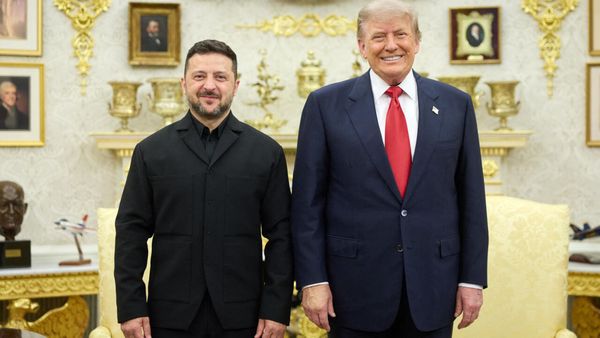
What made the Lord of the Rings trilogy so good? A quarter of a century after The Fellowship of the Ring hit cinemas, it often feels as if everyone’s still puzzling this out, like one of those Einstein theories that took decades for scientists to be able to prove correct. Peter Jackson’s JRR Tolkien adaptations seemed to do the impossible, transforming nerdish high fantasy into blockbuster fare that was both critically acclaimed and widely popular. Most every subsequent attempt to do the same – barring, perhaps, the front-loaded Game of Thrones phenomenon – has failed to bottle that same lightning.
This is the big problem facing The Lord of the Rings: The Hunt for Gollum, a new film set in Jackson’s version of Middle Earth. Neither prequel nor sequel, the film squeezes itself into an ellipses in the original Fellowship, and focuses on the search for ring-obsessed wretch Gollum (Andy Serkis). Alongside Serkis, Sir Ian McKellen and Elijah Wood reprise the roles of Gandalf and Frodo respectively, while Lee Pace returns as his Hobbit trilogy character, Thranduil. The big news, though, is in those not returning: Aragorn, played definingly by Viggo Mortensen in the original trilogy, will now be portrayed by Fifty Shades of Grey’s Jamie Dornan.
Responses to the news among the Lord of the Rings fandom have been, generally speaking, downbeat – less an indictment of Dornan’s talents than a reflection of just how much Mortensen brought to the role initially. To some extent, recasting a role like this is a doomed enterprise: just look at, say, Alden Ehrenreich, whose perfectly decent turn as Han Solo nonetheless sent droves of Star Wars fans at his throat for the crime of simply not being Harrison Ford. But in this case specifically, it’s a sign that The Hunt for Gollum’s makers (including Serkis, as director, and Jackson, as producer) have lost sight of what made the original Lord of the Rings trilogy tick.
Before Fellowship, Mortensen was a strange, idiosyncratic actor with matinee-idol looks but an aversion to blockbusters. He had edge. (After Aragorn propelled him to stardom, he mostly reverted to starring in dark, unusual projects, often directed by David Cronenberg.) The rest of the cast was populated with similarly left-field choices, with even the more famous names (McKellen, Christopher Lee, Sean Bean) delivering selfless work that drew on performance more than star power. It is strange to think that names like Daniel Day-Lewis and Sean Connery were once mooted for the project – stranger still to consider that Mortensen was brought in only last minute, as a replacement for the Irish actor Stuart Townsend, who had already started filming.
The cast is not the sole reason for The Lord of the Rings trilogy’s success – rather, the whole project was an immaculate matrix of production design, music, acting, and direction – but it is a crucial one, and something fundamentally lacking in the many attempts to replicate it afterwards. Even if we ignore the ignominious duds elsewhere in the fantasy genre (your Warcrafts or Eragons) and keep the scope within the Lord of the Rings universe, we can see a stark inability to replicate the original formula. Jackson’s Hobbit trilogy was criticised mostly for its abundance of CGI, replacing the lush tactility of his original three films, but the cast was just as grave an issue: again, it leant on diminishing returns from McKellen and Serkis, with the troupe of new leads largely stiff and unmemorable.
The Hobbit films were nonetheless commercial hits, each making around $1bn. Subsequent expeditions to Middle Earth have been less lucrative. Prime Video’s not-quite-canonical Rings of Power TV show sought to reinvent the franchise entirely, placing a whole new set of actors in a story that was pulled from some of Tolkien’s lesser-read writings. It’s often said to be the most expensive TV series ever made, but received mixed reviews and, despite recently filming its third season, is surely not the sort of buzzy hit that Amazon were hoping for.
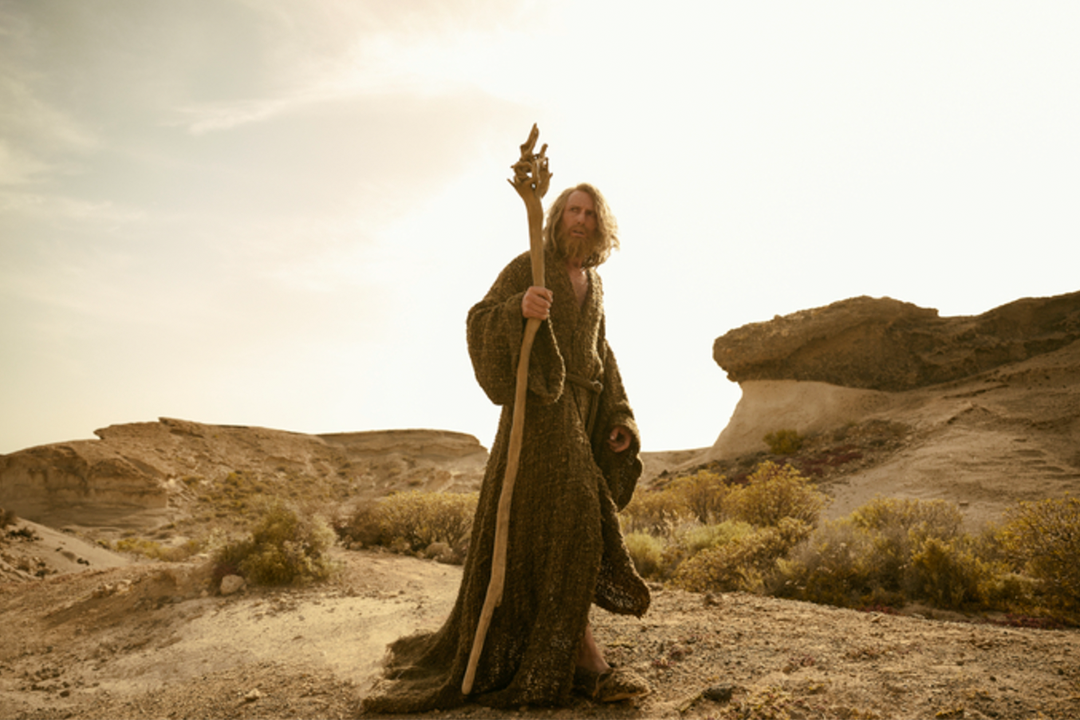
Then there was the anime-inspired feature film The Lord of the Rings: The War of the Rohirrim, which came out in cinemas at the end of 2024, and made back just two-thirds of its $30 million production budget. Both of these suggest that the world is hardly crying out for more Lord of the Rings content – that the secret behind the unfettered success of the original trilogy had less to do with the public’s innate appetite for Tolkienalia and more to do with the specific creative decisions of the film itself.
When it comes to recastings, it’s a lose-lose. There will always be a smack of desperation around actors like McKellen and Wood exhuming their old glories, however enthusiastically they do it. And when other Mortensen-shaped parts of the machine have been replaced, comparisons will be unavoidable. If Dornan is anything less than outstanding, the whole thing will inevitably take on an air of “We have Aragorn at home”. That is to say, it’s all very well hunting for Gollum – but will anyone even care when they find him?