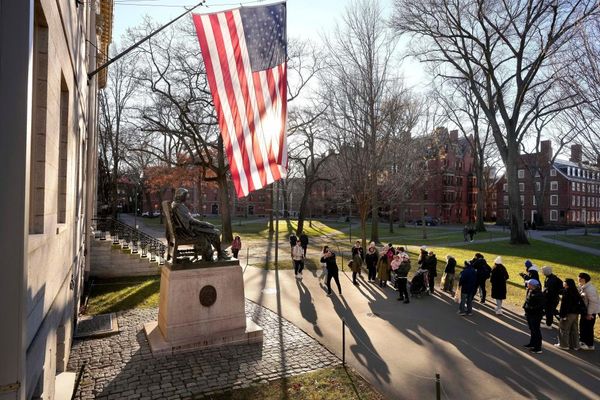
The likely contenders to replace Michael Howard (from left): shadow home secretary David Davis, Conservative party chairman Liam Fox and former foreign secretary Sir Malcolm Rifkind. Photograph: PA
The fashionable view of Michael Howard's handover plan is that it has all been a bit of a louse-up. Critics say the Conservative leader has no authority, that he's trying to ride roughshod over party members in an effort to pick someone electable, and that the party will use the long summer recess to fester stinkingly in the sun. The Economist has painted Mr Howard as a terrible strategist, saying his long drawn-out departure has "won him few friends" (subscription only).
They miss the point. Outgoing Tory leaders don't need friends.
Mr Howard hasn't got much leading left to do. The six-month timetable - nearly half of it during the silly season, when Westminster journalists are catching up on their political biographies around the pool - is long enough to stop the party hurriedly rallying round the nearest plausible candidate, as they did with Mr Howard. The timing of the general election has worked in his favour, as has the new parliamentary calendar: once MPs leave for the summer recess on July 21, they won't return until the party conferences are over on October 10. The new party constitution should have been agreed a week before conference starts, and Mr Howard's imminent departure will force serious leadership candidates to make their intentions clear to the party and the electorate.
There are also signs of a genuinely interesting debate emerging. We have heard much guff about "change" and "modernisation" before. But Tories are actually beginning to talk about what those words might mean - and in particular whether "change" actually means a wallow in the glory days of Thatcherism, or a switch to the low-tax values of the Republican party in America. Thanks to the French and Dutch no votes, Europe is off the agenda for all but the most obsessed. Advocates of localism - potentially a winning approach, but a tricky one to discuss when you have to keep coming up with nationwide policies - will get a hearing next week when the Direct Democracy group comes up with its ideas for a "New Model Party". (Direct Democracy, incidentally, has nothing to do with ConservativeDemocracy.com, an outlet for party members who don't want to be excluded from the leadership vote.)
Blogs like OnceMore.co.uk are asking themselves difficult questions: "What exactly is the centre? Where is the centre? Is there a centre?"
There will still be bitchy outbursts from Peter Oborne in the Spectator ("The modernisers are beyond question the most useless political alliance of modern times, and their inertia and hopelessness may have handed the Conservative party leadership to David Davis," he wrote this week). This is the Tory party, after all. But many Tories are simply enjoying throwing ideas about without being accused of disloyalty. They should make the most of it.