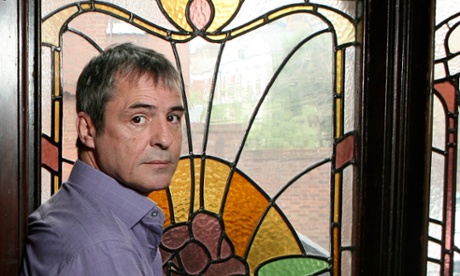
It was meant to be a day celebrating his brother’s 12th birthday. Instead, actor Neil Morrissey, then aged 10, and his sibling, Steve, were in a Stafford court accused of stealing a box of liquorice allsorts, a pencil and a packet of sweets.
Expecting a rap over the knuckles, they stood in the dock waiting to play on the swings. Minutes later they were placed into care, marched away from their sobbing parents and sent to separate children’s homes, where they would spend the next few years away from each other and their mum and dad.
“Being taken away from my parents was the biggest single trauma I went through,” says Morrissey. “I thought I was being placed into care because I was naughty. It was only five years ago, when I made a documentary, that I realised I was placed into care because my mum and dad were bad parents. They weren’t bad people, but they couldn’t cope.”
For someone who experienced such a traumatic family break-up, Morrissey, 52, is remarkably sanguine. Placed in Penkhull children’s home in Stoke-on-Trent with 17 other children, he regards himself as one of the fortunate ones, as he was brought up under the care of house mother Auntie Margaret “who instilled a sense of routine and reward”.
Six years later, ambitious and naturally optimistic, Morrissey appealed for foster parents and was fostered for a couple of years before going to drama school. The result? “I grew up streetwise and hardened to what was normal. I was used to meeting new people all the time; hanging out with strangers and being aware of sudden changes in people’s moods.”
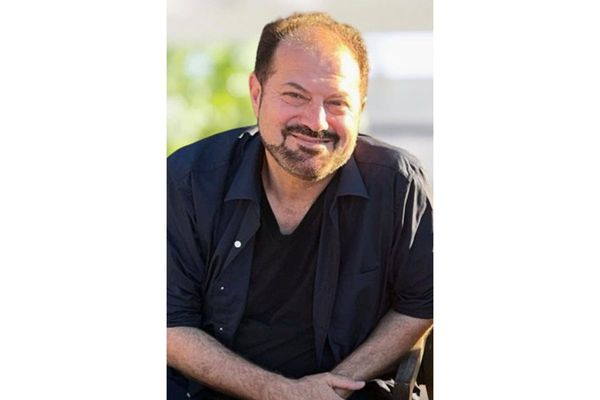
Morrissey finds it difficult to believe that siblings could be separated, and wants to see more support for parents to look after their children in their own homes – and more support for care leavers. It is a feeling shared by Ethiopian poet, playwright and author Lemn Sissay, who feels passionately about the plight of teenagers leaving residential care.
After being fostered between the ages of three months and 12 years, Sissay spent time in four different children’s homes, ranging from a family group home with just 12 residents, to a 60-place assessment centre, where residents were routinely strip-searched after receiving visitors.
“Looking back, I realise I was seen as a problem, but no one told me the problem wasn’t me,” he says. “The last place was like a prison: I hadn’t done anything wrong, but they were preparing me for a life in and out of institutions, as a disproportionate number of people in care end up in prison or in prostitution.
“I came out in shock – I was like a war veteran. When you leave a children’s home you’re not built to last. I ended up in an unfurnished flat and started a gutter-cleaning business a few months later. All the while I had my poetry and I went on to get a job as a literacy worker.”
Sissay, who says he will never stop being a care leaver, says support shouldn’t stop at age 16 or 18. For the past three years he has attempted to make Christmas special for teenagers in Manchester and Bradford – organising a “scrumptious Christmas dinner” for 50 care leavers. He also campaigns for children’s rights, and the University of Huddersfield has set up a PhD scholarship for care leavers in his name, in recognition of his work.
Thirty years have passed since Morrissey and Sissay were in residential care, and much has changed. Gone are the big institutions, to be replaced by smaller therapeutic homes. The passing of the Children Act in 1989 meant children were given a voice, and rights.
But being in care can still carry a stigma. Tia Spencer (18), had 10 foster placements before going into residential care at the age of 11. She then spent seven years in homes before moving into her own flat last October. Today Spencer is an apprentice support worker at a school helping young people with disabilities.
She recalls: “I would get bullied for being in care and would beat the girls up. One day it got too much and I took a knife into school.”
She says that staff at the homes helped her manage her anger and supported her through a crisis when her father died three years ago.
This support continued even after she moved into her own flat. “The staff have been fantastic,” she says. “They even took me on holiday. If I could change anything, it would be to have studied harder at school.”
Such a range of experiences is not surprising, according to Dr Jim Goddard, chair of the Care Leavers’ Association. A former care resident himself, Goddard says: “People in the same home can have wildly different experiences. There are a lot of abuse stories, but, equally, there are a lot of good homes.”
This article was amended on Wednesday 3 June. A quote from Lemn Sissay was attributed to Neil Morrissey; this has now been corrected.