Charity founders can be charismatic and pioneering leaders. They are passionate about the cause, committed to the organisation and often motivated by a particular life experience that gives them an acute awareness of the needs the charity is set up to meet. Founders can also bring bags of personality to an organisation and can be a great asset – infectious to others and attractive to funders.
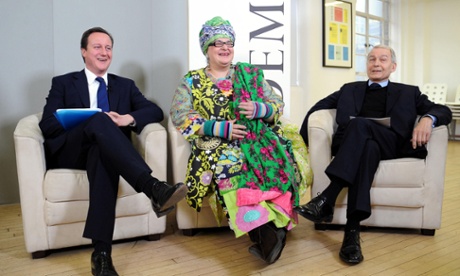
It cannot be denied, that Kids Company chief executive Camila Batmanghelidjh is the ultimate example of a charismatic charity leader: her organisation is synonymous with her image. However, as recent reports over the charity have suggested, having a founder at the helm for such a long period of time can come with problems, particularly if their determination hinders the development of the charity.
An investigation, which aired on Thursday night, by BBC Newsnight and Buzzfeed found that the Cabinet Office has concerns over the charity’s ability to run itself and is withholding funding to Kids Company unless Batmanghelidjh steps down.
This follows previously published claims including suggestions that Kids Company hands out money to children – something with Batmanghelidjh compared to pocket money on BBC news on Friday – complaints to the Charity Commission and the resignation of a number of organisation’s directors. Whether such views are founded is yet to be established.
There are risks, clearly, to an organisation if a decision to give – or withdraw - funding hinges on a particular personality. Charities are independent entities and decisions should not be dictated by funders. However, the reality is that a single funder can have a significant impact if it decides to withdraw its support, which is why charities need diverse income streams and have a suitable level of reserves.
But where have the trustees been during these ongoing investigations and political exchanges? They are collectively responsible for a charity’s management and administration and it is up to them to make decisions in its best interests.
It can be very difficult to have healthy debate if a strong personality tends to retain ownership of the charity’s vision and direction. Even if the founder is not a trustee, as in the case of Kids Company, it still takes a strong board to manage a vibrant founder’s influence on the charity in the right way. The ongoing tension to harness the founder’s passion while ensuring that they operate within the strategy set by the trustees can be tough – making sure that the trustees don’t merely rubber-stamp the founder’s proposals or turn a blind eye if what they’ve agreed is ignored.
Some founders also have a skill-set suited to a particular size or type of organisation and the charity may outgrow them. Batmanghelidjh’s passion and enthusiasm is clear – and this is what a startup charity needs to flourish, but perhaps the charity is now ready for a different kind of leader. If a founder isn’t willing to relinquish control, this can stunt a charity’s development or stop it from implementing structures and systems, including the transparency it needs to operate most effectively.
An astute founder will have the wisdom and humility to recognise the right time to stand aside and hand over to others. Sometimes this will mean stepping away entirely. Taking on an ambassadorial role can also be a good outcome for both the founder and the charity. Kids Company has said that Batmanghelidjh will stand down when a new chief executive is appointed, and assume a clinical and advocacy role. It can be very positive for a founder’s leadership to be intentionally time-limited and it also gives the charity time to prepare for the transition.
Whether or not Kids Company needs to improve how it operates, a charity should be about its beneficiaries and making a positive impact by fulfilling its purpose as effectively as it can do. A charity shouldn’t be about one person, whether that is a founder, funder or anyone else. Maybe it’s time for Camila to release her baby into the big wide world so it can flourish in its own right.
For more news, opinions and ideas about the voluntary sector, join our community – it’s free!