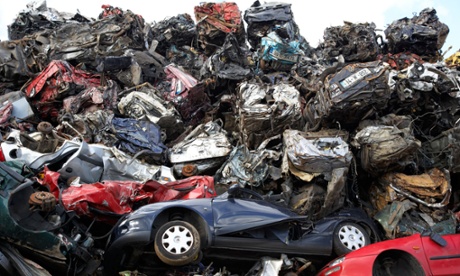
Russia was downgraded to junk status for the first time in a decade on Monday evening. Ratings agency Standard & Poor’s blamed a combination of factors - collapsing oil prices, the rouble’s sharp fall, and sanctions imposed by the west - for the move. The lower the rating, the more expensive it is for a country to borrow, and junk status makes it impossible for some investors to hold the debt at all. Russia is not the only country that doesn’t make investment grade according to the leading agencies. Here we look at some of the other countries that join Russia at the bottom of the heap.
Russia is not universally junk - yet

The good news for Russia is that the other two main ratings agencies - Moody’s and Fitch - have not given it a junk credit rating. The bad news is that many economic commentators expect them to follow. When it last gave its verdict on 9 January, Fitch did downgrade Russia but left it in investment grade territory, with a “negative outlook”. Fitch’s next Russia review is scheduled for 17 April.
Russia is not alone in its junk status
Standard and Poor’s downgrade of Russia left it with a BB+ rating. By S&P definition, that means a sovereign faces “major ongoing uncertainties and exposure to adverse business, financial, or economic conditions which could lead to the obligor’s inadequate capacity to meet its financial commitments”. The move by S&P puts Russia on a direct par with Bulgaria, Indonesia, and Turkey.
Greece is ranked lower than Russia

With a B rating from S&P, it is worth noting that Greece also has junk status and is even lower down the pecking order than Russia. It means Greece is considered more likely than Russia to default. A poor credit rating is - of course - just one of the many challenges facing the Greek economy and the country’s new prime minister, Alexis Tsipras.
Argentina is at the bottom of heap
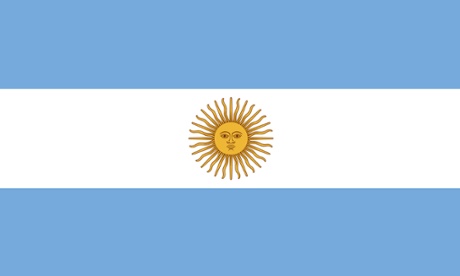
Argentina is right at the very bottom of the ratings pile after it defaulted on its debts in 2014 for the second time since 2001. Just ahead of Argentina is Ukraine - whose fortunes are inextricably linked with Russia - where Fitch considers “default is a real possibility”.
How does the UK fare?
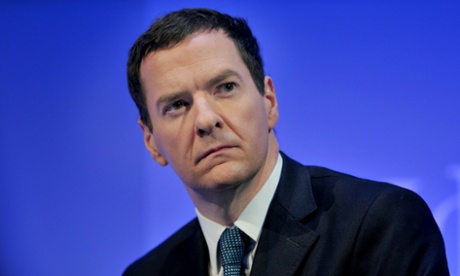
When George Osborne took office in 2010, he vowed to safeguard Britain’s treasured AAA rating, arguing he would restore the nation’s economic credibility. The chancellor was left red-faced when Moody’s and Fitch stripped the UK of its top tier status in 2013. But all is not lost, as S&P retained in its AAA view of the UK.
And at the very top of the pile...

While the three main ratings agencies – Standard & Poor’s, Moody’s and Fitch – are divided on the credit worthiness of numerous countries, they are unanimous that the following are AAA rated:
- Australia
- Canada
- Denmark
- Germany
- Luxembourg
- Norway
- Singapore
- Sweden
- Switzerland