
Puppyhood: The early years

The first weeks
A puppy’s first few weeks are crucial for their development. Puppies are born blind, deaf, and toothless and rely entirely on their mother for nutrition and warmth. This period, known as the neonatal stage, lasts from birth to 2 weeks, during which the puppies’ survival is dependent on the mother’s care.
Socialization period
Between 4 to 14 weeks, puppies grow rapidly and start exploring their surroundings. This period, as puppies learn to interact with their littermates, people, and other animals, is critical for socialization. Positive exposure to different environments, sounds, and experiences during this time helps them grow into well-adjusted adults. Vaccinations and veterinary check-ups are also essential during this stage.
Juvenile stage
The juvenile stage between 3 and 6 months is marked by boundless energy and curiosity. Puppies start losing their baby teeth and getting their adult teeth. Training should be consistent and positive, focusing on basic commands and housetraining. Socialization should continue, with regular introductions to new experiences and environments.
Adolescence: The teenage years
Physical changes
Adolescence in dogs, the period between 6 months and 2 years, can be likened to the teenage years in people. During this stage, dogs experience significant physical changes as their explosive growth rate slows, and their bodies become more robust and muscular. Some breeds may reach their full size by 1 year of age, while others, particularly larger breeds, continue to grow.
Behavioral changes
Behaviorally, adolescent dogs can be challenging as they test boundaries and behave inappropriately, such as chewing, digging, or ignoring commands. Consistent training, lots of patience, and plenty of physical and mental stimulation are key to navigating this stage successfully. Adolescence is also a good time to consider spaying or neutering your dog, based on your veterinarian’s recommendations.
Adulthood: The prime years
Physical health
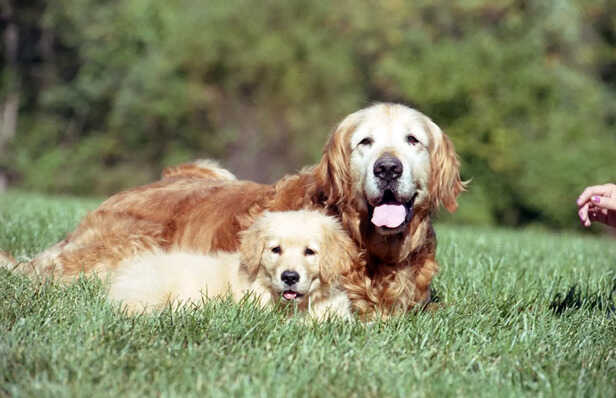
Once dogs reach adulthood at around 2 years old, they are typically fully grown and have settled into their adult personalities. However, large and giant breeds may continue to fill out and change socially and emotionally as they continue to mature. Your dog’s prime years between 2 and 7 are often the most active and enjoyable. Regular exercise, a balanced diet, and routine veterinary care are essential to maintain their health and energy levels.
Mental stimulation
Adult dogs thrive on routine and mental stimulation. Activities like agility training, fetch, and puzzle toys can keep them physically and mentally fit. This is also an excellent time to reinforce training and teach new tricks or commands.
Social bonds
Adult dogs form strong bonds with their two- and four-legged family members during this life stage. Adult dogs are generally more predictable as they enjoy a stable and loving environment. Regular social interactions with other dogs and people help maintain their social skills.
Senior years: The golden age
Physical changes
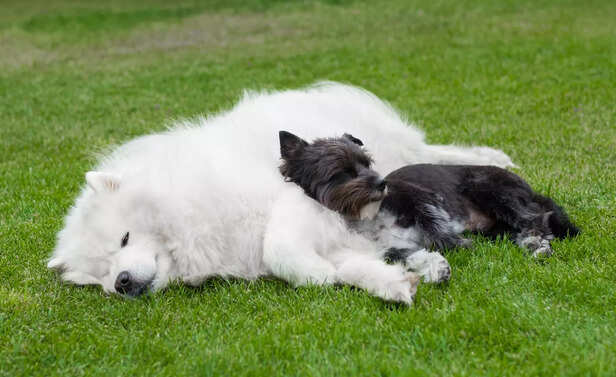
As dogs enter their senior years, their activity level may decrease, and they may start showing cognitive and physical aging signs. Common physical changes include decreased mobility, muscle mass loss, and the onset of age-related health issues, such as arthritis or organ dysfunction. Regular veterinary check-ups become much more important to catch and manage any health issues early.
Dietary needs
Senior dogs have different dietary needs compared with their younger counterparts. They may require a diet lower in calories but rich in essential nutrients to support their aging bodies. Consult your veterinarian for recommendations on the best diet for your senior dog.
Celebrate the bond with your pets, explore Health & Nutrition, discover Breeds, master Training Tips, Behavior Decoder, and set out on exciting Travel Tails with Times Pets!
Frequently asked questions (FAQs)
-
What are the main life stages of a dog ?
Dogs generally go through four main life stages: puppy, adolescent, adult, and senior. Each stage brings different physical growth, behavior changes, and care requirements that pet owners should understand.
-
How does a dog's behavior change with age ?
Puppies are energetic and curious, adult dogs become more stable and trained, while senior dogs may slow down and prefer comfort and routine. Behavioral changes often reflect physical and emotional development.
-
Do dogs need different nutrition at different life stages?
Yes, dogs require age-specific nutrition. Puppies need growth-supporting nutrients, adult dogs need balanced maintenance diets, and senior dogs benefit from food that supports joint health and digestion.